
A good book about a sombre subject that should leave you feeling more comfy, less angsty
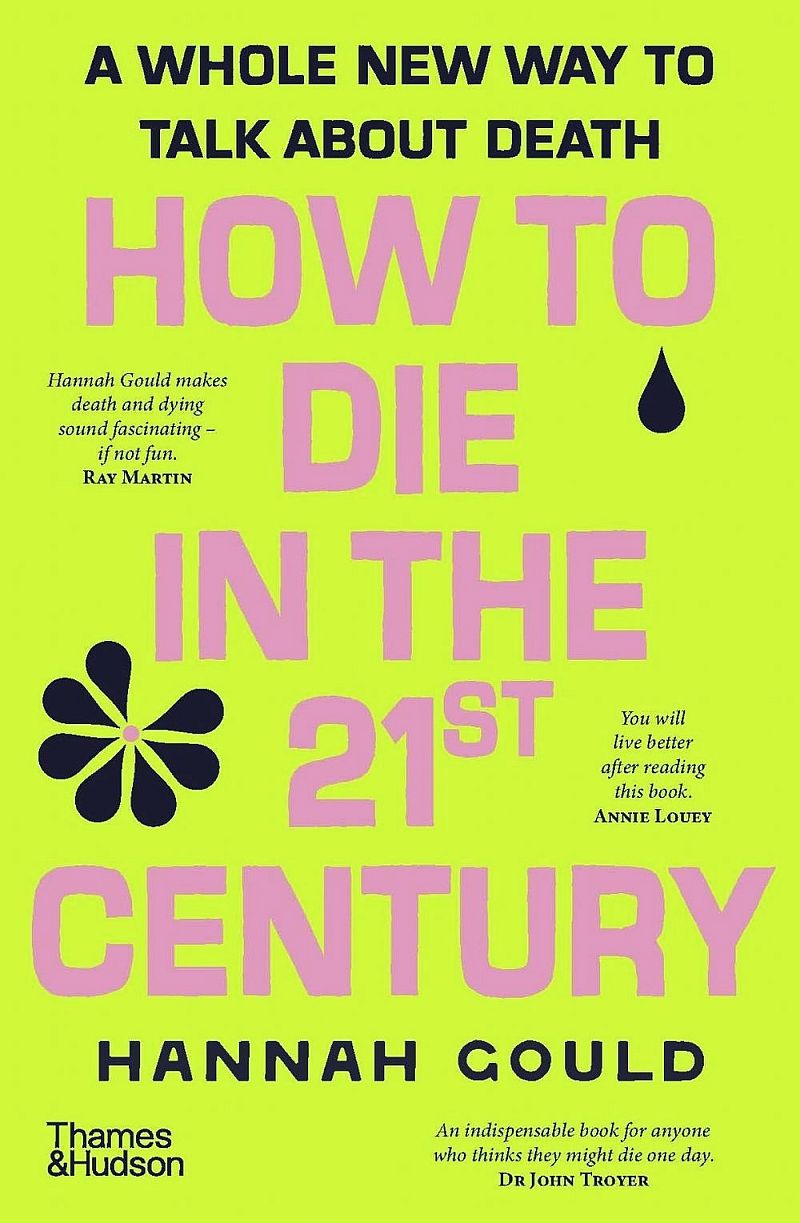
You would think a book titled How to Die in the 21st Century would bring up feelings of anxiety and worry. Instead, this new self-help guide of sorts by author Hannah Gould is surprisingly life-affirming – the kind of nonfiction that arrives looking like medicine and ends up reading like good company.
At 50 myself, I’m arguably the ideal reader for it. And also because there have been some people close to my age that have passed away in the past year, and I figured I should start getting some positive ideas in my mind before it is my turn to go – be it in 15, 25, or 35 years (of course, I’m aiming for the latter).
By this stage of life, death stops being an abstract notion and starts to become a certain thing. Parents age. Friends get diagnoses. You start quietly doing the maths on time.
Books about mortality can either become catastrophising doom-scrolls in hardcover form… or they can reduce fear by making the subject less mysterious. Hannah Gould’s book leans toward the second camp.
As an anthropologist, Gould’s tone is curious, humane, practical and occasionally darkly funny rather than spiritually preachy or relentlessly “uplifting”. The author doesn’t try to “solve” death – she’s not selling enlightenment. Rather, she faces the truth that we’re all going to die and insists that while modern society is terrible at talking about death, it’s better that we do.
How to Die in the 21st Century moves through practical realities (funerals, ashes, grief etiquette, end-of-life planning) alongside bigger emotional and philosophical questions. And weirdly, practicality often reduces the fear. Anxiety thrives in vagueness, whereas details tend to shrink monsters down to human size.
Rather than think in cold clinical detachment or fluffy Instagram pseudo-spirituality, the tone here is emotionally literate and culturally aware, making the reader feel more at ease about the looming subject.
But would the book make some people more anxious? Possibly – especially if someone is already spiralling around health anxiety or existential panic. Any sustained focus on mortality can temporarily sharpen awareness of it. Yet for the more reflective reader in midlife, I suspect the opposite effect is more likely:
it turns death from a shadowy taboo into a conversation – and that tends to lower the emotional voltage.
Read this book the way you’d read Joan Didion or Alain de Botton – as a smart cultural meditation on how humans cope with being temporary – and you’ll be delving into the subject matter the right way.
How to Die in the 21st Century by Hannah Gould is published through Thames & Hudson, RRP $34.99.
Netflix announces a new docuseries that focuses on the rise and rise of pop superstar Kylie Minogue

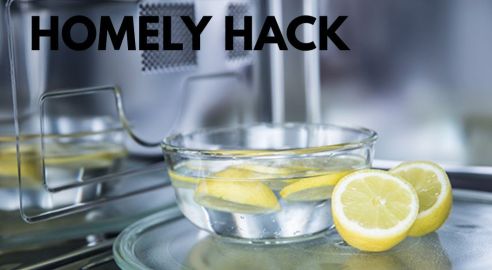
If the microwave is smelling a bit stale from foods previously heated up, cut a lemon and put pieces in a bowl of water, or just leave the halfs in the middle of the plate after a few squeezes of lemon onto it, then zap for a minute and a half. Et voila! Your microwave looks cleaner, smells better.
Never Was a Cornflake Girl: a classic Cream interview with Tori Amos, new album out May 1st
Discover more from
Subscribe to get the latest posts sent to your email.

Leave a Reply