
Aussie Rock Anthems: an eclectic selection of Australian music in one encyclopaedic tome
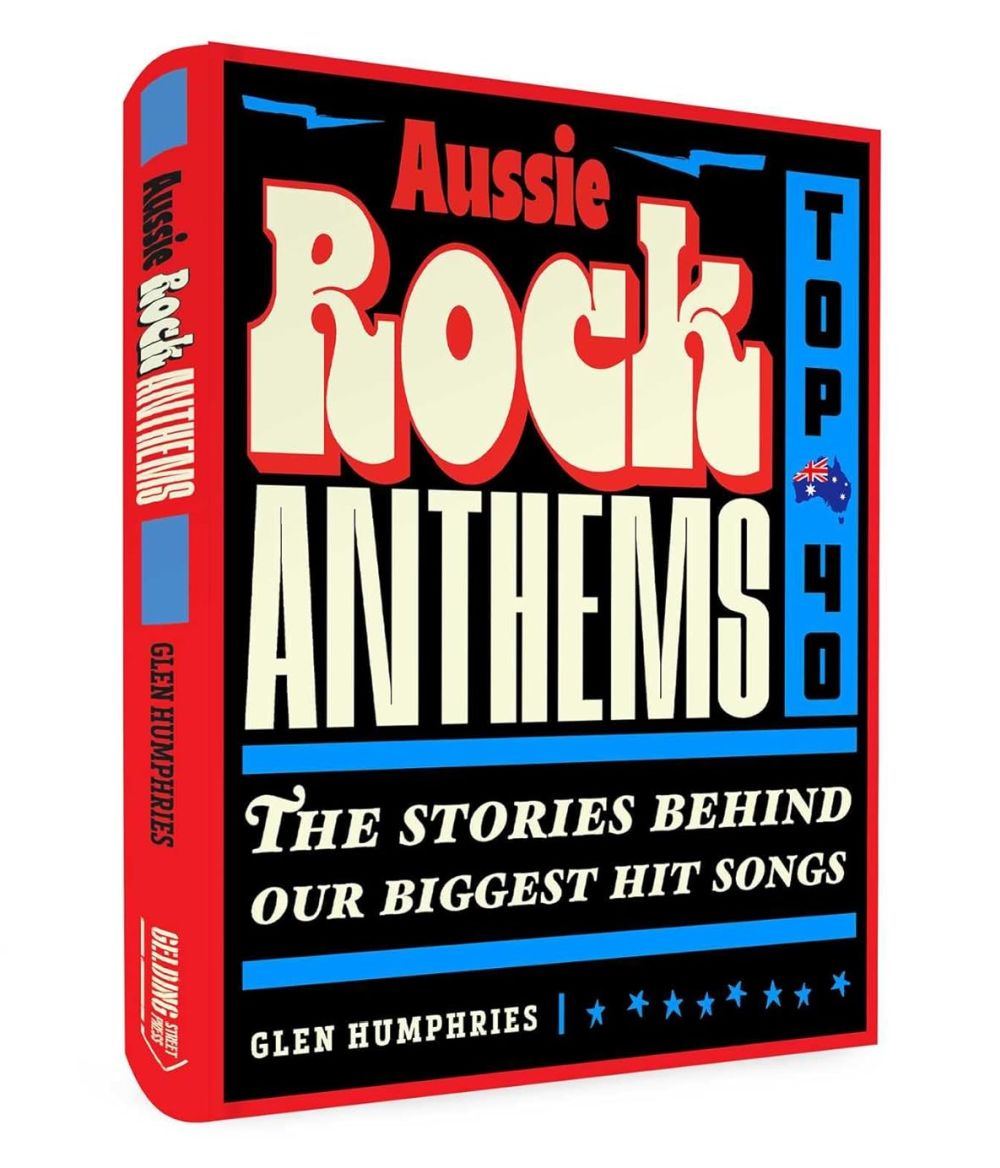
There’s likely not a single adult born in Australia who couldn’t hum the chorus to songs such as Men at Work’s Down Under, John Farnham’s You’re the Voice or Daryl Braithwaite’s Horses. These songs are quintessentially antipodean and worthy of inclusion in the new coffee table book, Aussie Rock Anthems.
Author and journalist Glen Humphries and I can definitely agree on one thing: Daddy Cool’s Eagle Rock is a stupid tune. It’s good, then, that Humphries has thrown bias aside to include the song in his trusty music compendium. After all, other people like it – even if it does show their lack of good musical taste.
Humphries goes so far as to admit that while writing his critique for Eagle Rock’s inclusion, he couldn’t actually bring himself to listen to it. On that note, it’s a wonder why the author didn’t consider better songs from another of Daddy Cool frontman Ross Wilson’s bands, Mondo Rock. Cool World; Come Said the Boy – songs more worthy of consideration for a book like this.
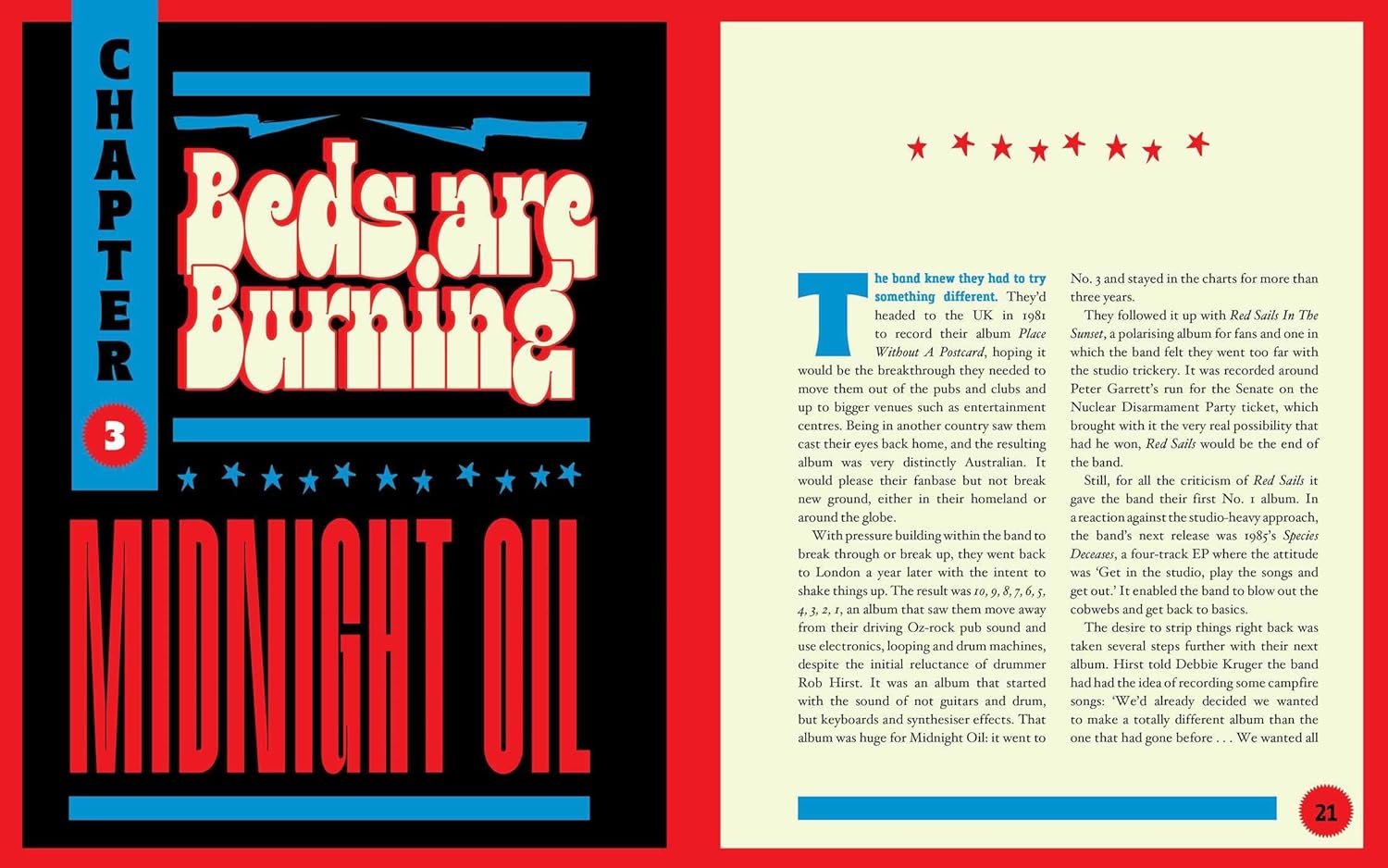
That said, most of the titles featured do make total sense – Beds Are Burning by Midnight Oil; It’s a Long Way To The Top by AC/DC; Sounds of Then by GANGgajang; Don’t Change by INXS… each one a glistening gem in the Aussie music crown.
Ditto the likes of Icehouse’s Great Southern Land (which should have been in the top 10, really, since many Australians believe it serves as our second national anthem), Skyhooks’ Horror Movie, Dragon’s April Sun in Cuba, Sherbet’s Howzat… all very, very good songs.
Humphries delves into the backstory and legacy of each song, confirming some of the things readers might already know about (eg: that Men at Work were sued for supposedly adopting the melody of Kookaburra Sits in the Old Gum Tree in Down Under), while also revealing things some of us didn’t know (that TV show Spicks and Specks is to blame for revealing this to the record company who ultimately sued Men at Work, possibly leading to band member Greg Ham’s death; Ham became depressed after the trial and turned to using heroin).
While Humphries’ prose very rarely veers down Wiki-like paths, for the most part it is original, patriotic, vivid, culturally-friendly and, most importantly, precise.
Diversity is fairly present in Humphries’ selections: Treaty by Yothu Yindi, Warumpi Band’s Blackfella/Whitefella, and it’s important to note that it’s not in the name of tokenism, for the author’s knowledge and appreciation of the music are genuinely expressed; his fact-checking obviously tight.
Some songs would have been difficult to select – it must have been an absolute nightmare picking just one great track from AC/DC, INXS, Australian Crawl, Icehouse or Divinyls, but, by keeping mainstream taste in mind, Humphries manages to pick just the right ones that will appeal be a broader audience.

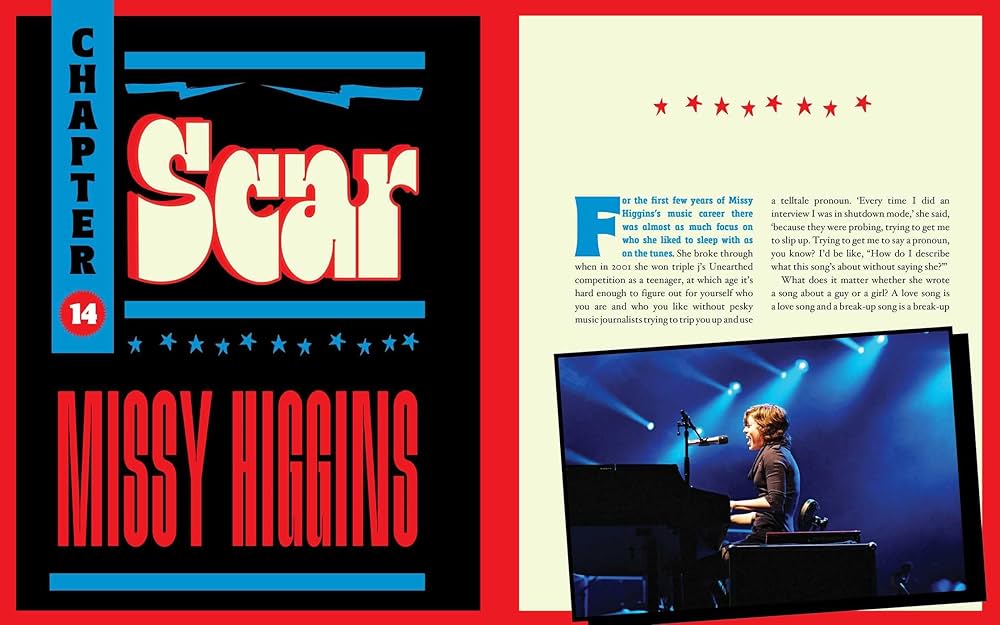
I love the inclusion of 90s and noughties favourites, such as Powderfinger’s My Happiness, Missy Higgin’s Scar, Silverchair’s Tomorrow, Spiderbait’s Buy Me a Pony, and the Living End’s Prisoner of Society, but I’m a little concerned with a couple of the 80s picks. Shaddap You Face by Joe Dolce really should not be in here, no matter how many weeks it spent in the Top 10. Perhaps it was a tactic on Humphries behalf to include this slice of Euro-Aussie novelty in the book, but as an Australian-born Italian, I can tell you that song did me no favours whatsoever.
Instead, there are a plethora of excellent bands from the 1980s that ought to have been included in this book: brilliant outfits like The Models, I’m Talking, Boom Crash Opera, and Do-Re-Mi. From that latter band alone, surely Man Overboard is an outstanding rock song worthy of encyclopaedic publication?
Humphries is fair in his decision to not repeat artists in his top 40 selections, though he bypasses his own non-bias by featuring Jimmy Barnes twice (solo with Working Class Man, and with Cold Chisel’s Khe Sanh – both songs making the top 10). I’m surprised the author didn’t go a hat-trick and include a Jimmy duet, since he and Tina Turner’s Simply the Best would really appeal to the masses.
Personally, I’d have kept the reviews of each inclusion shorter – indeed, some border on thesis-style – so as to include many more songs, maybe have a top 80 instead.
Humphries, then, might consider penning parts 2, 3, maybe even 4, since there are just too many great Australian songs to choose from, plus it would allow for repeat artists in subsequent books.
Think about the possibilities! AC/DC’s excellent Evie (Parts I to III) could all feature! Renee Geyer (may she rest in peace) might get a look-in. Heck, we might even be able to squeeze in Christie Allen’s Goosebumps.
I’m putting my hand up now to co-write.
Antonino Tati
‘Aussie Rock Anthems: The Stories Behind Our Biggest Hit Songs’ is published through Gelding Street Press and available in quality bookstores, RRP $39.99.
Discover more from
Subscribe to get the latest posts sent to your email.
