
The Perfect Fit: 7 Tips For Upcycling Furniture to Suit Your Home’s Aesthetic
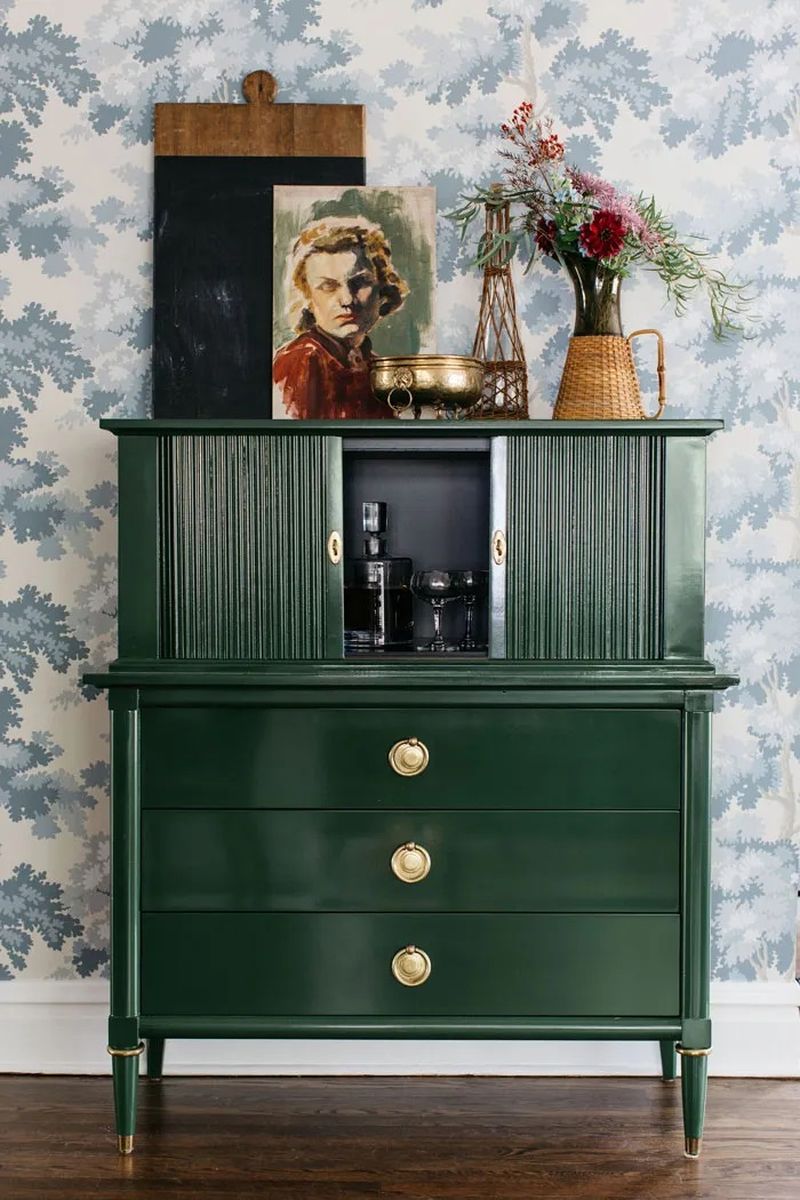
Upcycling is taking old or unloved materials or furniture and making them into something better than they were before. If you love DIY and one-of-a-kind pieces, then you have the heart of an upcycler!
The best thing about this is that, usually, what you are working on would have ended up unloved or even as trash if you hadn’t seen it’s hidden potential. You could jump around from furniture sale to furniture sale picking up new, unique pieces, or you could upcycle!
Even if it ends up looking a little rough or you aren’t happy with the finished product, you will at least have improved your skills for the next one!
01. Source Your Materials
If you’re planning on getting into upcycling, you’ll want to have a pretty good idea of where you are going to be able to find the bits and bobs you need. You will need to find a good local hardware store, fabric suppliers, and you should probably keep an eye on any antique furniture auction houses for inspiration on your next project.
02. Keep An Eye Out For Freebies!
If you know where to look you will sometimes be able to find really great items for free.
The first place you might get lucky is just out on the neighbourhood verges. People often put furniture out with a ‘free’ sign. If there is no sign on the furniture you should always knock on the door and make sure it’s okay for you to grab because in some places it isn’t legal to just grab verge items.
Buy, swap and sell groups are a great place to look for low-cost items as well. People will often be happy to give away unwanted furniture as long as you are willing to pick it up or handle it’s transportation. This is a win-win because you will be saving those people the cost of disposal.
03. Strip Back Before You Build Up
Whatever materials you are working with, you will almost always need to give them at least a good clean before you start your work. Or you may wish to go so far as to sand back furniture pieces, and paint them or varnish them.
Some DIY-ers like to give timbers a thorough sanding no matter what they’ll end up using them for, since the finish is always smoother. Similarly, if you are working with metals, steel wool is a very effective cleaning and buffering tool.
04. Have a Plan
It’s so easy to get ahead of yourself when it comes to these kinds of projects.
Before you start buying things or pick up your tools, you need a plan. If you don’t have a place in your home in mind that your piece will fit or at least a vague idea of what you want out of a finished project, you are just going to create clutter or ultimately lose interest in your piece.
You always want to produce something that will compliment your existing lifestyle, if not the styling in your home.
If you feature lots of exposed and natural timbers, favour oils or stains over paints. You should favour colours, fabrics and materials that could tie in nicely with your home’s surrounds.
05. Don’t Start Too Many Things at Once
Starting a project and seeing it through to the end can be a challenge for some folks.
If the upcycle you want to create (or recreate!) has a lot of steps, requires lots of prep, or isn’t very exciting until the end when it all comes together, you might find yourself putting it off or gravitating towards something more interesting.
Try to stay on track by doing a little each day, or by setting a finish date.
It’s highly recommended to not work on more than two things at once. Two is a good amount, as you often need to stop working on something while you wait for glue, paint or stain to dry, and if you have a second item, you can keep your momentum by switching in the meantime.
06. Know What Kinds of Damage Can’t Be Improved
When you are picking a piece to work on, you need to keep in mind that you can’t save everything. You need to make sure the project is within your capabilities and that the problems with the piece aren’t insurmountable. Always look out for any prominent defects and things like woodlice and termites.
07. Start Small
As with any new skill it’s important to start simple and build up to harder things. This will ensure you don’t lose motivation and you will quickly improve as you become familiar with the tools and processes!
Discover more from
Subscribe to get the latest posts sent to your email.

Leave a Reply