
Interview with Marc Almond: Soft Cell to tour Australia for the first time this April
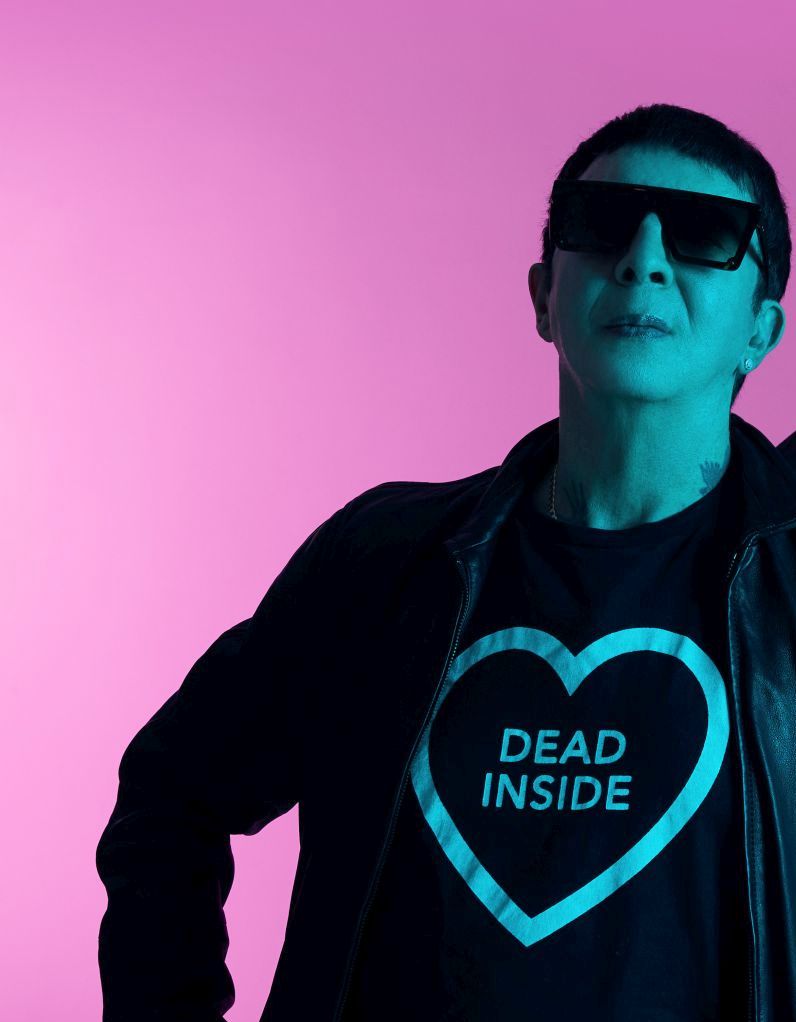


Singer Marc Almond’s influence extends well beyond music. His bold, androgynous image and open discussions about his sexuality have made him a significant figure in LGBTQ+ culture while his work has inspired a generation of musicians and artists who have emulated his fearless approach to both making music and personal expression.
Over the decades, Soft Cell have come to be known as one of the true pioneers of Brit synth-pop. With over 25 million record sales to their name, the band has cast a huge influence over music culture since the early 1980s.
Think samples of Tainted Love in Rihanna’s hit single ‘S.O.S.’ or in Flo Rida’s ‘Zoosk Girl’, or the duo’s influence on future electronic acts – Soft Cell have been as influential in pop culture as they have been inspired by aspects of it that came before.
Cream chatted with Marc this week about his influences on queer culture, what makes a tainted relationship, and what we can expect from Soft Cell’s first ever live shows in Australia.
Interview by Antonino Tati
You’re touring Australia in April this year, performing both solo work and Soft Cell’s most famous album in full. Have you been performing live gigs in the UK lately and if so, what have audiences and response been like?
I have never stopped touring in some capacity my whole life. The recent Soft Cell shows across the USA and then Brazil were amazing, and my own solo tour for my last album I’m Not Anyone in the UK last year had a great reception.

This is your first tour to Australia – which I find surprising. Why didn’t you make it Down Under in the early 1980s, when your songs were storming the charts?
This is not only my first tour to Australia but will also be the first time I have ever visited the country. I have been asked many times to do shows around Mardi Gras but they have never worked out in terms of timings. I am really excited about coming and can tick it off my bucket list, although [I’m] a little apprehensive of how the show will be received.
Indeed. The album ‘Non-Stop Erotic Cabaret’ – in title alone, and of course in theme – was quite ahead of its time. It all seemed rather underground, too. These days, however, cabaret itself is massively mainstream, as is burlesque, S&M and other avenues of erotic performance. Did you ever imagine such concepts would grow to become so popular?
When you are recording any album, you dare to hope, of course. Non-Stop Erotic Cabaret is our seminal album that has truly lasted the test of time. The genres referenced throughout the album are those I grew up with, but of course I could never have imagined how they would evolve.
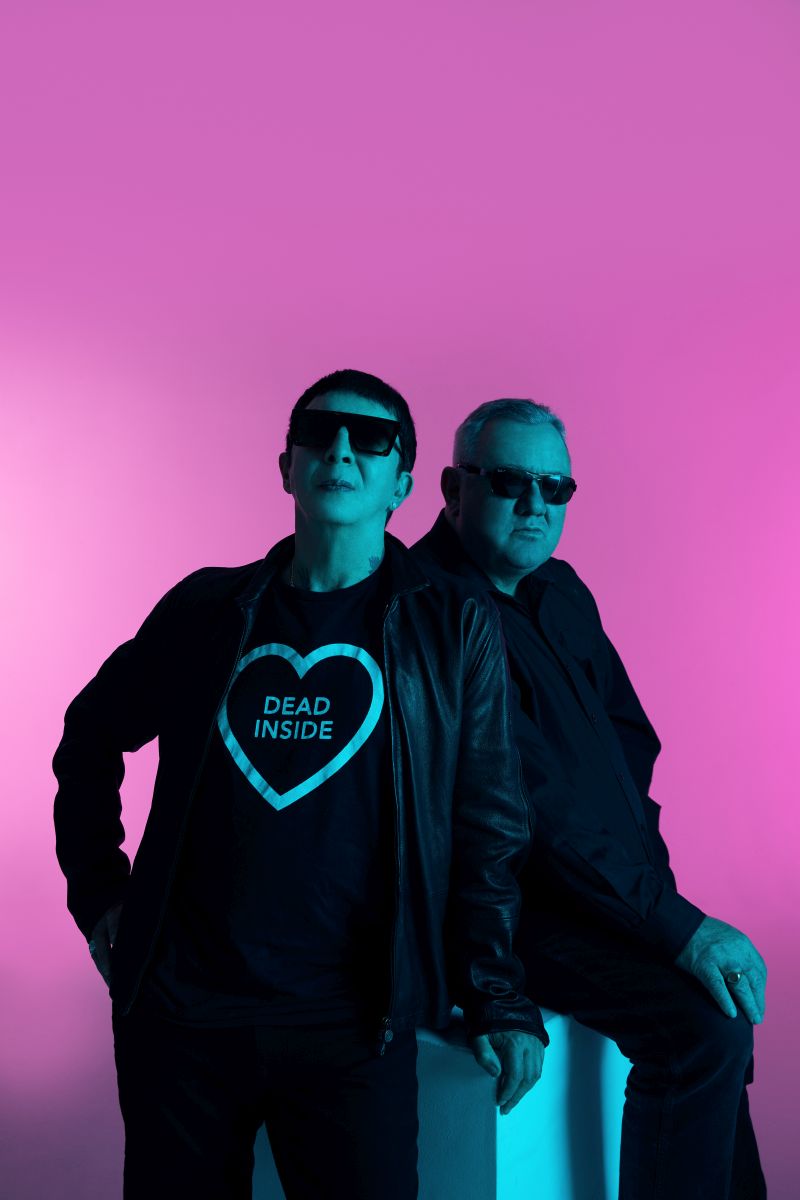
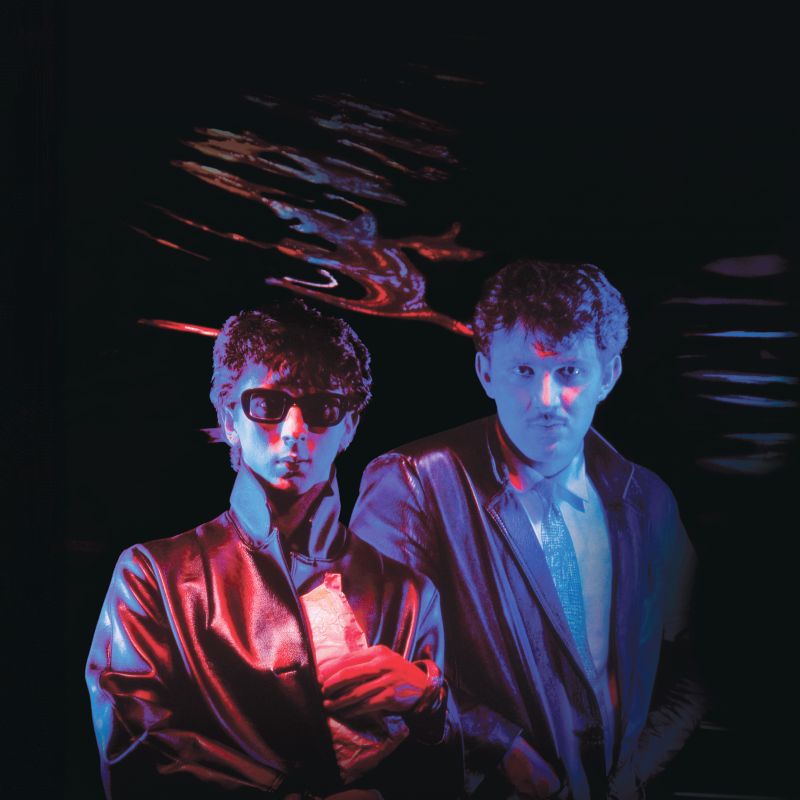
Your biggest single, in Australia at least – ‘Tainted Love’ – is one of the most iconic records in pop music history. The lyrics, and even the whip-smart music, alluded to an alternative, perhaps queer kind of love and sexuality… When journalists asked you what the song was about, what would you tell them?
Ask any songwriter what their songs are about and they will almost always say that they are about whatever you feel they are about. Perhaps it is about a toxic love affair. Throughout the decades people have imbued it with other meanings, even HIV in the 1980s. Over the decades the song has developed a life of its own and I have to thank it for affording me so many adventures and opportunities.
Your image, Marc, was always an androgynous one, but I’m not sure if the media questioned your sexuality much back in your early days. It was kind of expected that male pop stars could be more flamboyant back then. When did you announce your sexuality to the public and what was that like for you?
I didn’t have to announce I was gay. I mean it was apparent to everyone – with the exception of my mother – that from an early age I was not straight, so coming out in that sense was never the issue. But, like most gay men I was afraid in the early ’80s due to homophobia in the media, combined with the rise of AIDS, the repugnant British tabloids and the ensuing bigotry they encouraged – it was at times a terrifying place.
“You go out one day, doing something mundane, and you wake up one month later in a hospital. It is almost impossible to process without realising the fragility of our lives.”
Are you amazed at how visible gay and queer culture have become in society and in the media, and do you sometimes wish things could be a little more obscured, underground, or returned to being somewhat more secretive or sacred?
We can’t go back and I wouldn’t want to. We remember the past with rose tinted spectacles much of the time but as I said, it was a scary place.
Is the LGBTQI community going a little too far with the diversity thing? Is it in fact causing more harm than good – dividing queer culture rather than uniting it?
I don’t believe anyone should be excluded. It is only divisive if we allow it to be. Everyone should have the right to be who they are, define themselves how they choose and feel included, however diverse. No one should judge.
Do you think today’s queer icons – Sam Smith, Troye Sivan, Chappell Roan, Billie Eilish – do you think they pay enough respect to the icons born out of previous decades who laid down the foundations for visibility and acceptance of queer culture?
I think they do. Even that question feels like you want me to be divisive.
Well, no, not at all.
Everything is new for each generation. It might seem derivative to an older generation, but it is not where you take it from but where you take it to. We all take from the past. And we all fight our own battles to keep moving forward to a better place for everyone.
“Ask any songwriter what their songs are about and they will almost always say that they are about whatever you feel they are about. Perhaps [‘Tainted Love’] is about a toxic love affair.”
I understand that you were in a near-fatal motorcycle accident in 2004 and spent a month in a coma. I’m glad you came out of it. Did you find the accident changed the course of your life, and if so, how?
It was a life-changing experience. You go out one day, doing something mundane, and you wake up one month later in a hospital. It is almost impossible to process without realising the fragility of our lives.
Could you tell me a little about your role as patron of the brain trauma charity, Headway?
After my motorcycle crash, I suffered head trauma. In some ways it has changed my personality. I wanted to work with Headway, who help people rebuild their lives after brain trauma, which in itself is a hidden disability. The work they do is astonishing and I am really proud to be associated with them.
Great. Outside of Soft Cell, you’ve enjoyed a lengthy solo career. Which solo songs might we be treated to in these upcoming shows?
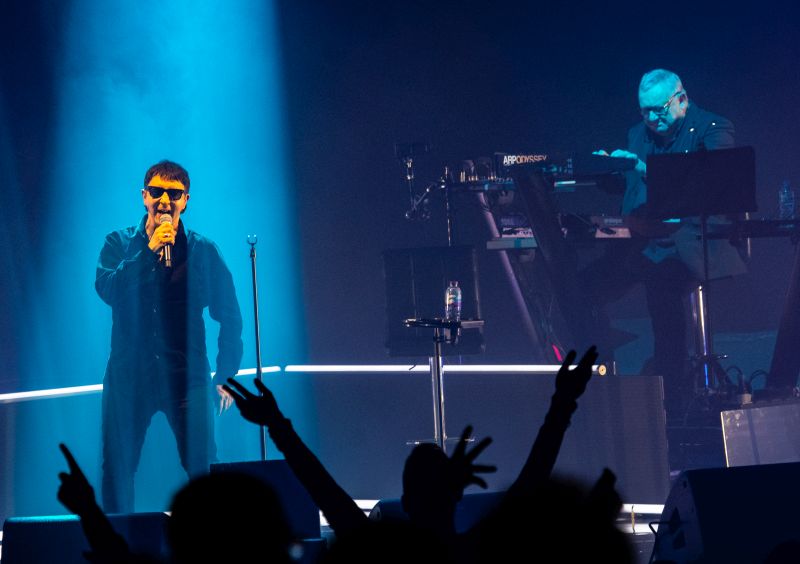
All my solo hits from Something’s Gotten Hold of My Heart through to Jacky, and The Days Of Pearly Spencer, and some surprises. Most of all it will be a celebration and I hope a really fun and memorable night. Let’s be honest with ourselves, it isn’t going to happen again.
One final question, Marc. What three activities do you enjoy away from music, and what benefit do you derive from these?
I have a farm in Portugal, so I love the wildlife, the garden, and spending time away from the craziness that seems to have currently infected the world.
Soft Cell will be performing their seminal album Non-Stop Erotic Cabaret along with some greatest hits and with an additional performance by Marc Almond performing all his solo hits in song-packed shows across the country through April. Tickets are available through destroyalllines.com. Dates and venues are below.
SOFT CELL AUSTRALIAN TOUR 2025
Thursday 10th April
Riverside Theatre, Perth

Friday 11th April
The Gov, Adelaide
Sunday 13th April
Enmore Theatre, Sydney
Tuesday 15th April
Fortitude Music Hall, Brisbane
Thursday 17th April
Palais, Melbourne

Discover more from
Subscribe to get the latest posts sent to your email.

Leave a Reply