
Sustainable Home Design Ideas for an Eco-Friendly Space
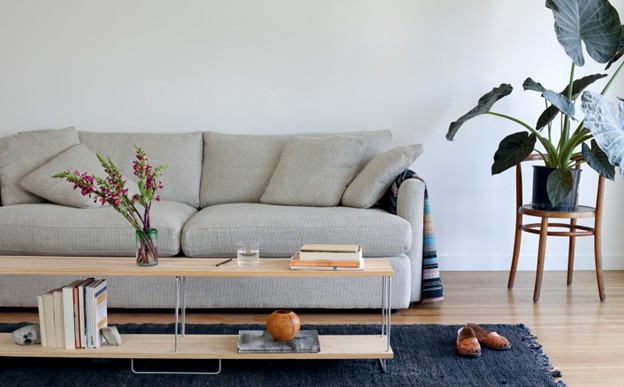
Constructing sustainable housing systems provides simultaneous environmental benefits and decreases energy usage. Building sustainable designs saves resources while decreasing both expenses and creating healthier living conditions. The power of basic sustainable decisions that involve energy-efficient equipment alongside natural building materials creates a sizable environmental impact. The repurposing of materials together with recycling methods increases both style and waste reduction.
According to sustainability principles, both insulation and furniture selection should prioritize environmental protection. Building a sustainable house produces advantages for yourself and the environment. Following are eight easy as well as intelligent suggestions to convert your space into a sustainable energy-efficient environment.
Opt for Minimalist & Sustainable Design
The utilization of minimalist sustainable design principles helps your home become both plain and environmentally conscious. Your home achieves energy savings along with the reduction of waste through this strategy. Creating a clean suitable space will result from selecting high-quality items over numerous objects. Natural materials including wood as well as bamboo and stone should form the base of your design choice. Energy-efficient appliances should replace your old system together with LED lights. Convert previous furniture items into something new instead of getting new purchases.
The installation of wide windowpanes allows the house to receive natural lighting as well as fresh ventilation. Each calm space comes from using neutral tones along with basic decorative elements. A small number of possessions will decrease your waste production and reduce expenses at the same time. A minimalist home design enables effortless maintenance while promoting environmental sustainability. Selecting sustainable and simple lifestyles creates better health for our environment.
Choose Durable & Eco-Friendly Materials
Using durable sustainable materials benefits the environment together with providing cost efficiency. Products that maintain their strength through time will minimize waste production. Furniture pieces along with flooring materials should consist of bamboo elements reclaimed wood items or steel components that came from recycled materials. Natural stone together with clay bricks serve as excellent wall-building materials.
Selecting non-toxic finishes and paints will deliver better interior air quality. Rugs and upholstery should be constructed with wool cotton and hemp materials. Clear countertops benefit from both recycled glass and concrete materials. Sustainable materials require less water and energy for use. They also lower carbon footprints. Homes constructed with environmentally friendly materials support both safety and durability while simultaneously nurturing the environmental resources.

Natural Light & Ventilation Options
Natural sunlight combined with airflow elements keeps your house both clean and well-lit. The building’s wide windows enable sunlight penetration thus making artificial lighting useless. Skylights bring in extra daylight. Light-hued walls will act as reflectors for sunlight to pass through. A home with open windows ensures the entrance of fresh air that improves air quality. The installation of ceiling fans functions to reduce room temperature. Cross-ventilation removes heat and moisture.
Your home’s ventilation will improve if you select curtains with air-permeable materials. Plants that are indoors function as airborne pollutants cleaners. Properties that use natural light consume less energy while simultaneously improving mood. Quality ventilation systems make the home environment pleasant. A home possessing clear and unobstructed natural lighting proves both health-beneficial and environmentally friendly.

Smart Home for Energy Efficiency
The implementation of smart technology leads to reduced electricity consumption while decreasing homeowners’ utility expenses. Smart thermostats adjust the temperature automatically. LED lights operate on reduced power while existing several times longer. The installation of motion sensors enables automatic light switch-off when areas are unoccupied. The application of smart plugs helps prevent electricity consumption by devices that remain unutilized.
Automatic windows regulate their functions to manage temperature and illumination levels. Energy-efficient appliances use less electricity. A sophisticated irrigation system optimizes water consumption in outdoor garden areas. Automated systems generate comfortable home conditions and sustainable environments. A smart home system helps decrease the amount of carbon dioxide emissions in the environment. Smart technology applications allow people to protect the environment while improving their quality of living.
Eco-Friendly Flooring & Walls
Modern sustainable homes require eco-friendly options for both flooring and wall materials to become secure and environmentally friendly. Builders should select bamboo together with cork and reclaimed wood to serve as their flooring materials. Sustainable flooring construction uses durable resources that can renew themselves. Both recycled tile options and natural stone prototypes serve well for home construction purposes. Apply non-toxic paint products with reduced VOC levels when selecting wall coatings.
These ecological materials enhance the air quality by lowering pollution levels. Lime plaster together with clay plaster maintains homes at a natural comfortable temperature. Recycled paper materials function as an eco-conscious alternative for wall coverings. Sustainable materials possess longer durability because they require minor upkeep. These materials enhance the visual appeal of your house while you live in it.
Upcycled & Refurnished Furniture
By reusing and restoring furniture people keep costs low and protect environmental resources at the same time. Experts use several options to restore old furniture by making repairs and application of fresh paint or implementing new designs. Waste reduction occurs when wood, metal, and fabric materials are used again. Vintage home accessories bring a special attractive charm to your house. Using wooden pallets as a base enables individuals to create practical items such as tables and shelves.
Old cabinet units turn into fashionable storage alternatives when properly designed or distressed. Chairs can obtain a brand-new appearance after receiving upholstery treatment. Customers will find excellent items at thrift stores and flea markets. Upcycling reduces landfill waste. Home decoration becomes creative while enjoying environmental advantages through this method.
Green Outdoor Spaces with wooden furniture
The combination of vegetation with outdoor areas creates both a stress-relieving ambiance and ecological surroundings. Wooden exterior design elements work in harmony with natural elements. Plants and trees should be incorporated to provide fresh air while creating shade in the space. The addition of a wooden outdoor swing creates both visual appeal and comfort features.
The use of natural stone or gravel should be your choice for pathways. The use of solar lights produces power conservation benefits while illuminating the area. Wooden furnishings provide functional outdoor dining situations because they allow for meals under open skies. The essence of green outdoor space provides both aesthetic value and environmental sustainability while bringing peace to the planet.

Indoor Plants & Natural Décor
Your home receives fresh and beautiful aesthetics with the combination of indoor plants and natural décor elements. Plants function as air purifiers while bringing green plant life into living spaces. Opt for resilient plants such as snake and succulent species. Aesthetic hanging plants provide both aesthetic visuals and space efficiency.
Choose wooden, bamboo, or stone elements when adding natural decorative touches to your space. Charming woven baskets and attractive clay pots bring a friendly feel to the room. Cotton along with linen materials will produce cozy areas in your space. Large windows bring in sunlight. Home spaces with indoor plants and natural elements become peaceful environments with an ecological aesthetic that connects to nature.
Conclusion
A sustainable house simultaneously conserves energy and defends the natural world. Installation of natural daylight together with ventilation brings fresh air to the house. Pick eco-friendly materials for walls and floors. The purchase of upcycled furniture provides a profitable way to prevent wastage. Consider placing indoor plants as a natural method for improving air quality. The use of smart home technology enables energy savings in homes. A home built with environmental responsibility leads to healthiness and aesthetic appeal.
Laura Solis
Discover more from
Subscribe to get the latest posts sent to your email.

Leave a Reply