
Lifestyle Upgrades That Reflect the Modern Homeowner’s Priorities
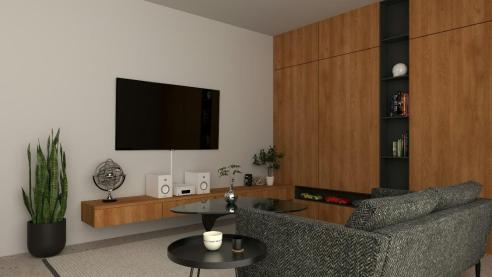
In today’s fast-evolving world, the concept of home has expanded beyond the traditional sense of shelter and comfort. Modern homeowners are no longer just investing in aesthetic appeal or resale value—they are transforming their living spaces into expressions of personal values, well-being, sustainability, and convenience.
These evolving priorities have given rise to a variety of thoughtful lifestyle upgrades that go beyond superficial makeovers. From energy efficiency to tech integration and personal wellness, the modern home has become a curated environment that mirrors a homeowner’s way of life and deeper intentions.
Elevating Daily Comfort: Transforming the Bathroom into a Personal Sanctuary
The bathroom, once a purely functional space, has become one of the most vital areas of the modern home for comfort and personal renewal. Today’s homeowners prioritize bathroom upgrades that go far beyond new tiles and fixtures.
They seek to create a wellness-focused space that offers relaxation and rejuvenation—featuring innovations like rainfall showers, freestanding soaking tubs, ambient lighting, and heated floors.
Smart technologies are increasingly integrated into bathrooms, from touchless faucets and LED mirrors to digital showers that allow precise control of water temperature and pressure. These features not only enhance daily routines but also contribute to water and energy conservation—aligning with environmentally conscious lifestyles.
Given the complexity of these renovations, it would be best to get in touch with a local bathroom remodeling contractor to ensure a seamless execution that balances functionality with personal style.
Such professionals are well-versed in current design trends and can provide guidance on durable, efficient materials and optimal space planning—making the dream of a modern, spa-like bathroom a practical reality.
Smart Technology as a Standard, Not a Luxury
Smart home technology has shifted from being a novelty to becoming a standard expectation. Homeowners today value systems that make everyday life easier, more secure, and more efficient. Integrated smart home hubs allow control over lighting, heating, cooling, and security systems through smartphones or voice commands. These centralized systems can optimize energy use based on occupancy and time of day, helping reduce utility costs while enhancing comfort.
Security remains a top priority, with smart locks, video doorbells, and motion-sensor lighting becoming common installations. Modern homeowners also opt for smart leak detectors and thermostats, which provide alerts and remote control options, preventing costly damage and minimizing environmental impact.
Entertainment has also been revolutionized by tech upgrades. Voice-controlled speakers, home theaters, and multi-room audio systems reflect the desire for immersive, on-demand entertainment experiences. These upgrades are often designed to blend seamlessly with interior decor, maintaining the aesthetic harmony of the home.
Sustainable Materials and Energy Efficiency
Sustainability is no longer a fringe consideration—it is central to the decisions of a growing number of homeowners. Eco-conscious upgrades now go hand-in-hand with modern home design, driven by both environmental concerns and long-term cost savings. Insulated windows, solar panels, and energy-efficient HVAC systems have become common investments.
Beyond systems, even the materials used in home construction and decor reflect this shift. Recycled or reclaimed wood, bamboo flooring, low-VOC paints, and non-toxic finishes help reduce the home’s carbon footprint. Energy-efficient appliances and LED lighting contribute to significant reductions in energy consumption over time.
Many modern homeowners also incorporate passive solar design elements, such as south-facing windows, thermal mass flooring, and strategic shading, to naturally regulate indoor temperatures.
These features reduce dependence on mechanical heating and cooling, demonstrating a thoughtful blend of design and environmental awareness.
The Double Standard of How Male vs. Female Celebrities are Judged for Their Dating Lives
Multi-Functional Living Spaces
Flexibility within the home has become a top priority. With the rise of remote work, homeschooling, and hybrid lifestyles, rooms now serve multiple functions. A dining area may double as a workspace, a guest bedroom might feature a Murphy bed and a fold-out desk, and open-concept layouts support more adaptable usage of shared spaces.
Built-in storage solutions help maintain a clutter-free environment, enhancing both functionality and visual appeal. Sliding partitions, modular furniture, and convertible spaces offer the versatility to meet changing needs without major renovations.
Outdoor Living and Wellness Integration
Modern homeowners are increasingly extending their living space outdoors, not just for entertainment but for personal wellness and relaxation. Outdoor upgrades now include more than patios and grills—they encompass full outdoor kitchens, weather-resistant furniture, fire pits, and even infrared saunas.
Landscaping is often designed with biodiversity and sustainability in mind. Native plant species, rain gardens, and xeriscaping reduce maintenance and support local ecosystems. Water features, ambient lighting, and pergolas transform yards into serene retreats that promote mental well-being.
The addition of edible gardens, herb planters, and vertical farming systems allows homeowners to reconnect with nature and enjoy fresh produce year-round.
Energy-Independent Homes and Backup Systems
In response to increasing concerns about grid reliability and climate resilience, many homeowners now pursue energy independence through renewable technologies and backup systems. Solar panels, paired with home battery storage systems, allow homes to generate and store their own power—minimizing reliance on external sources and mitigating the impact of outages.
Backup generators and off-grid power solutions provide peace of mind during emergencies. These systems are particularly appealing to homeowners in regions affected by extreme weather events or unstable power infrastructure.
Personalized Design and Identity Expression
Aesthetic choices now carry deeper significance. Modern homeowners are using design as a way to express personality, heritage, and values. From custom murals and handmade ceramics to curated color palettes and artisanal fixtures, every detail is carefully chosen to reflect a sense of self.
Personalized home libraries, reading nooks, art studios, or meditation corners showcase how homeowners are carving out dedicated spaces that support their interests and emotional well-being. The focus is not just on visual cohesion but on creating a home that feels authentic and meaningful.
Design also increasingly incorporates inclusivity and accessibility. Wider doorways, step-free entryways, and intuitive layouts ensure that homes remain functional and comfortable across all stages of life. This forward-thinking approach reflects a deeper understanding of what it means to live well today and into the future.
The modern homeowner is thoughtful, intentional, and values-driven. Lifestyle upgrades are no longer about impressing guests or simply keeping up with trends—they are strategic decisions that reflect deeper priorities such as wellness, sustainability, functionality, and technological empowerment.
Whether it’s redesigning the bathroom as a wellness retreat, integrating smart systems, or creating flexible, multi-use spaces, every improvement reveals a commitment to living better, smarter, and more in tune with both personal and planetary needs.
Discover more from
Subscribe to get the latest posts sent to your email.

Leave a Reply