
Cereal Killers: a look at 10 Famous Cereal Mascots that nailed it

Kellogg’s Corn Flakes were first sold commercially in the USA in 1906 but arrived in Australia in 1924 when Morris Raymer, a machinery specialist, set up the first factory to make the flakes in the heart of Chippendale, NSW.
The brand has been through a history so wacky, we wonder how in the heck this globally consumed cereal has managed to survive the ages.
With only last year having marked a century since Kelloggs Corn Flakes have been a staple on Australian shop shelves, we thought we’d take a look at some seriously killer mascots that have made their mark in the breakfast cereal trade.
A HISTORY OF CEREAL… AND 10 VERY FAMOUS MASCOTS
An American invention, breakfast cereal began as a digestive aid, then gradually acquired religious connotations, eventually turning into a sugary snack. Nowadays it switches between being a health food and a lazy meal. Put it this way, Jerry Seinfeld wasn’t the only one replacing proper dinners with bowls of Cheerios…
The very first (and rough, we might add) cereal came about in 1863, created by a religiously conservative vegetarian named James Jackson who ran a medical sanitarium in New York.
Jackson used ‘graham’ (a whole wheat flour dough) that was dried and broken into shapes so hard, they needed to be soaked in milk overnight. He called it granula.
John Kellogg, a surgeon who ran a health spa in Michigan, later revised Jackson’s recipe to include grapes and nuts, and altered the name to granola – tagging it “a healthful food… thoroughly cooked and partially digested”. Yukky.

By 1905, John and his younger brother Will had figured out a way to make a flaked cereal using wheat – which would stay crispy in the pantry for weeks. In 1906, Will started up the longwindedly-named Battle Creek Toasted Corn Flake Company and eventually switched the wheat in his flakes to corn. You can guess what came next…

Though initially concocted in 1894, Kellogg’s Corn Flakes were first sold commercially in the US in 1906, making their way across the world and reaching Australia in the early 1920s. A strict Seventh-Day Adventist, John Kellogg originally marketed the cereal as a “healthy, ready-to-eat, anti-masturbatory morning meal”.
In a freakish episode of history, Kellogg wrote that masturbation led to poor digestion, memory loss, impaired vision, heart disease, epilepsy and insanity – to name just a few of its supposed insidious side effects. To break young boys of the habit, he suggested procedures that ranged from the ridiculous to the barbaric, including tying their hands, bandaging the offending organ or putting a cage over it. Young girls had it worse, with pure carbolic acid applied to the clitoris or, in more extreme cases, surgical removal. When those tactics didn’t work (or were realised as inhuman), he recommended they all just eat Corn Flakes.
Over the decades, the representation and promotion of cereals became somewhat friendlier, with sex ‘education’ lessons deemed inappropriate for the breakfast table.
Before the first cereal mascot appeared, popular cartoon characters were used to promote the breakfast product, including one well-known Mickey Mouse. The first official cereal mascot came about in 1882, simply known as ‘The Quaker Oats Man’. As dull in nature as he was in name, Oats Man eventually faded into the background as more colorful characters appeared on the market.

Here are some fun facts about 10 of our favourite cereal mascots.


01. Cornelius or ‘Corny’ the Rooster
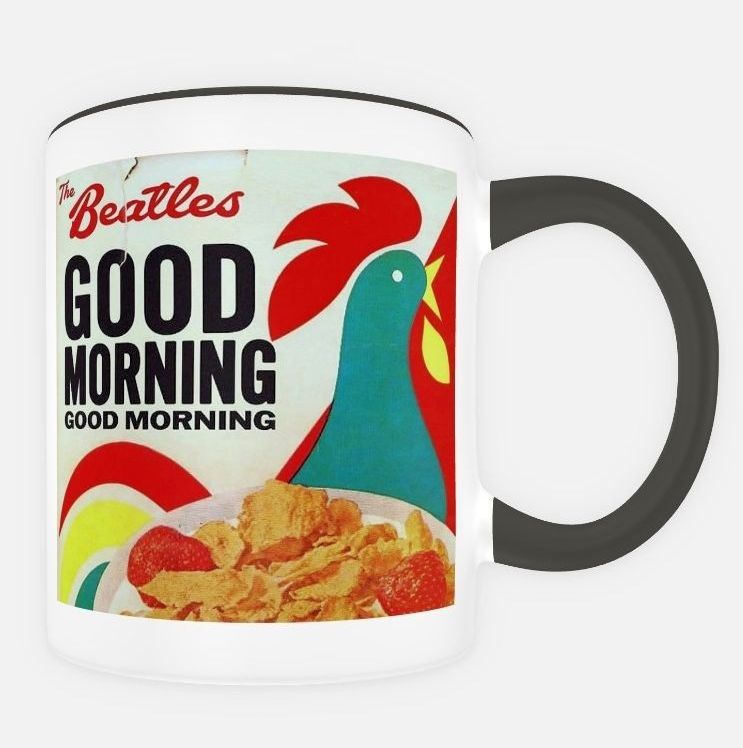
Corn Flakes’ globally renowned mascot Cornelius (or ‘Corny’) the Rooster came about in 1957. In early TV commercials, he wasn’t able to crow until he tucked into a bowl of Corn Flakes. Fun fact: the idea to use a rooster as the Corn Flakes mascot came from a Welsh woman, a friend of Kellogg’s named Nansi Richards, ‘Ceilog’ (pronounced Kii-logg) is the Welsh word for cockerel: a young rooster. So it’s not just because roosters get you up in the morning with their cockadoodle-doing…

02. Trix the Rabbit
There are virtually zero female cereal mascots, save for Katy the Kangaroo who represented Kellogg’s Sugar Frosted Flakes in the early 1950s. That said, there was a very camp rabbit named Trix who turned up on cereal packaging for General Mills. (Mills were one of Kellogg’s biggest competitors in the novelty cereal market). 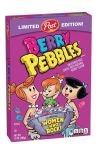 More recently, there was a limited edition cereal released (in March 2023) called Berry Pebbles, featuring a trio of familiar faces on the box: Pebbles Flintstone, her cartoon mum Wilma, and Wilma’s bestie Betty. Manufactured in limited numbers, you’d be hard-pressed to find a box of the kibble-looking stuff today.

03. Tony the Tiger
Tony the Tiger tops the list as the most recognisable breakfast cereal mascot. He can be found on boxes of Frosted Flakes (also known as Frosties) and is renowned for his tagline, “They’rrre great!” Tony’s slogans in television commercials were voiced by Thurl Ravenscroft, the guy who sang You’re a Mean One, Mr Grinch in the classic cartoon Dr Seuss’ How The Grinch Stole Christmas. And talk about cultural crossover: in 1974, Tony became the “Tiger of the Year” in an advertising campaign taken from the Chinese Lunar Calendar. Incidentally, ‘tiger’ in Chinese is 老虎.
04. Toucan Sam

If you look at this pic of Toucan Sam’s beak, you’ll notice there are seven colours. Originally, Sam only had three stripes: pink, red and a yellow-orange – which were the prominent colours of the original cereal. Green was introduced in 1991, purple in ’94, and blue in ’96.
Sam’s beak now boasts the seven colours of the rainbow: perfectly coinciding with today’s call for diversity and inclusion.
Fun fact: in 1960s ads, Sam’s vocals were delivered by voice actor Mel Blanc. Prolific in the golden age of animation, Blanc was also responsible for the voices of Bugs Bunny, Daffy Duck, Porky Pig, Tweety, Sylvester, Speedy Gonzales, Pepé la Pew, Marvin the Martian and many more. Suffice to say, while Blanc didn’t voice Michigan J. Frog, by around lunchtime his voice was very croaky.

05. Snap, Crackle & Pop
Snap, Crackle & Pop – who appear on Rice Bubbles cereal boxes (Rice Krispies in the US) are actually three garden gnomes come to life. A fourth gnome by the name of Pow used to be part of the team in the 1950s, and he was meant to represent the ‘explosive nutritional value’ of the rice cereal but was soon cut out when he couldn’t fit on the box. The other three together represent the process of milk getting into the bubble-shaped cereal, and cracking its shell with a ‘snap, crackle and pop’ sound.
06. Dig’Em Frog

The Dig’Em Frog was introduced as the mascot for Honey Smacks in 1972 though the cereal, originally knowns as ‘Smacks’ has been around since 1953.  Dig ‘Em wasn’t the only rep for the brand; other ambassadors have been Quick Draw McGraw, a smacky-named Smaxey the Seal, and a very scary circus act, Cliffy the Clown. Imagine waking up to that face every morning as a kid?

07. Cap’n Crunch
Cap’n Crunch has the distinction of being the name of a cereal and of its mascot, which had an excellent knock-on effect for the Quaker Oats Company who came up with the product. The cereal was created in response to an early 1960s market research survey that revealed a great percentage of kids under the age of 10 preferred crunchy foods to soggy foods. Quaker added corn to oat cereal, dipped it in butterscotch for full sugary effect, and had shoppers emptying shelves all across the US.
08. Coco the Monkey

Coco the Monkey is a novel addition to this list because hardly anyone in the US knows who he is these days, or at least assume he’s some monkey trapped at the San Diego Zoo. He did appear in 1963 as mascot for Coco Pops (and something called ‘Chocos’) in America but was phased out with a roll call of random characters taking his place. In Australia, Coco has been famous for decades.
We know him as the cheeky primate who swings from tree to tree armed with a box of Coco Pops and singing, “Just like a chocolate milkshake, only crunchyyyy!”
Coco Pops is the staple food for Australian men aged 18 to 24, unable to afford proper meals at lunch or dinner.
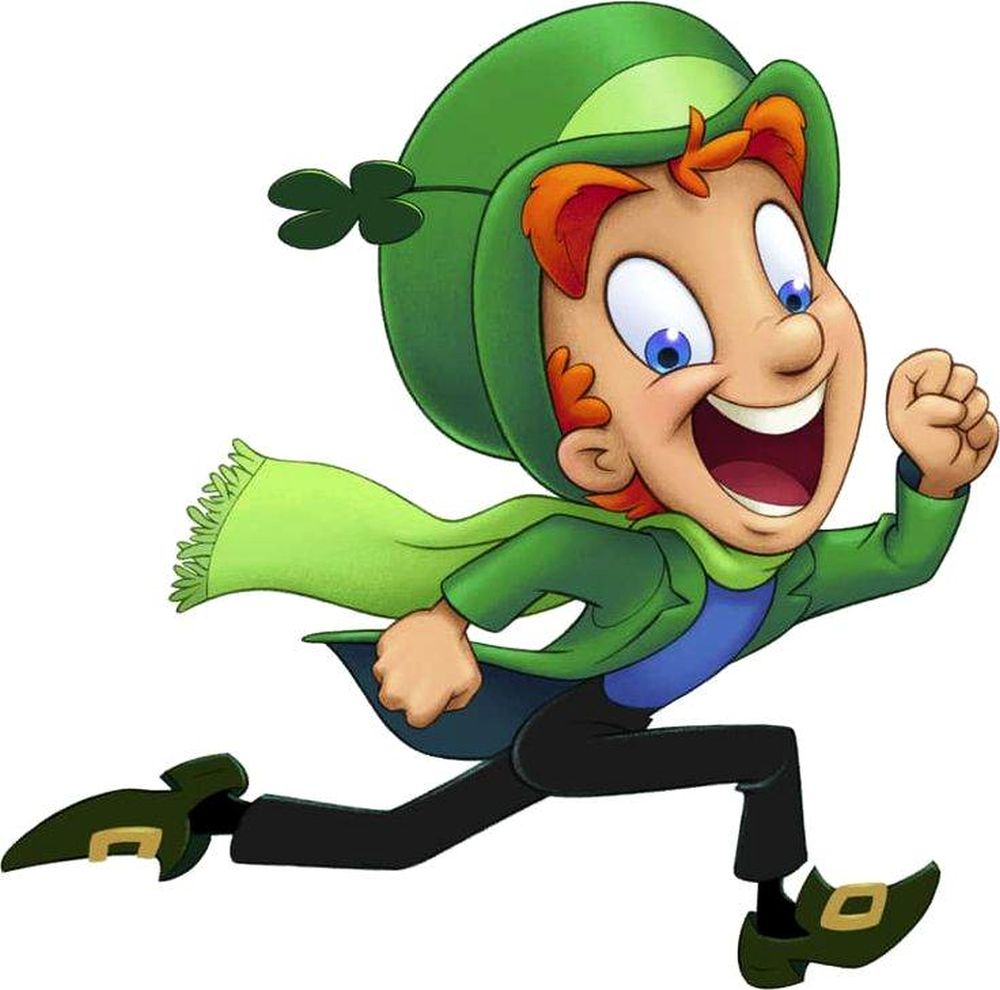
09. Lucky Charms Leprechaun
No cereal mascot list would be complete without the inclusion of the Lucky Charms Leprechaun. The cereal debuted in 1964 featuring all manner of odd shapes including bells, fish, arrowheads and X-shaped oat bits alongside marshmallow pieces (called ‘marbits’) shaped like green clovers, pink hearts, orange stars and yellow moons. It sounds like an absolute mess but it really does taste yummy.
Lucky the Leprechaun debuted on St. Patrick’s Day 1964 (as clever marketing would have it) with full-colour ads placed in Sunday papers as well as being turned into a comic strip.

While Lucky Charms may look like cat snacks covered in food dye, they remain one of the most popular cereals with British backpackers – mainly because the cereal is banned in the UK for violating food laws. Nothing nasty – the parent company General Mills just hasn’t provided updated documents to sell it to the European market today. Great marketing mascot; shoddy distribution tactics.
10. Buzz the Bee
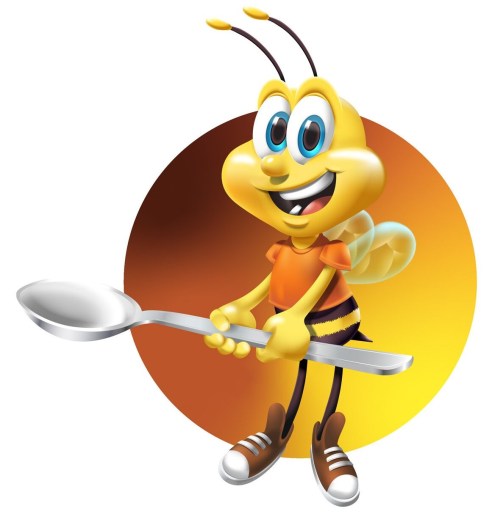
General Mills aren’t all that cheeky. A couple of years back they ran an eco campaign that urged customers to “help bring back the bees”, giving away pouches of wildflower seeds with every Cheerios pack to grow bee-friendly habitats in backyards.  Pollination, of course, is an important part of food production, with Mills insisting “1 in 3 bites of food” are made possible thanks to bees. It’s no wonder Buzz the Bee has been so integral to Cheerios’ marketing, making it the number one selling cereal in the US, shifting a whopping 140 million boxes of the stuff in the last financial year!

Discover more from
Subscribe to get the latest posts sent to your email.
