
Synesthesia and Hearing Health: How Musical Imagery Shapes Our Sound Perception
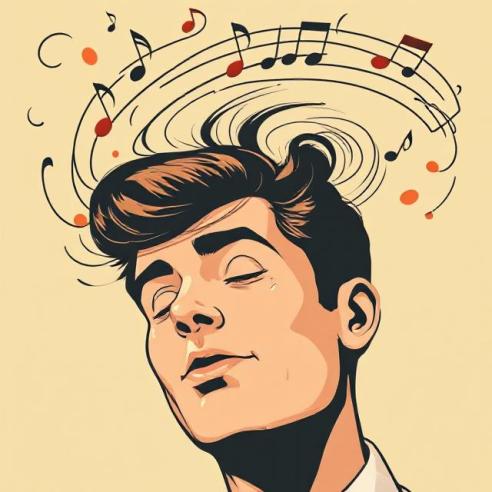
Music to many is not really a tune — it’s a whole universe of emotion. We, a team of music fans and hearing health activists, set out to see how synesthesia — a not-too-familiar condition in which sounds evoke shapes or colors — influences our understanding of music and affects the ears. This article dives into the world of synesthesia, uncovering its connection to music, the hearing risks it carries, and ways to protect yourself. Ready to find out how to make your musical experience both richer and safer?
Unpacking Synesthesia and Its Musical Roots
Synesthesia is when one sense automatically evokes another. Hear a C major note and see a burst of blue? That’s it. Only about 4 percent of people have this phenomenon, and musicians are more likely to have it.
Stevie Wonder and Lorde are two musicians who have stated that synesthesia helps them create music by translating sound into images.
This effect is giving music that third dimension, but can also be wearing on the ears. Synesthesia often responds to the slightest audio subtleties, allowing it sometimes to tip into sound sensitivity. Thus, while synesthesia enhances the music experience, it requires careful consideration as well. Take, for example, long-term exposure at high decibel levels, which can increase risks — but more on that later.
The Impact of Synesthesia on Hearing Health
Hypersensitivity to sound, or hyperacusis, is a common side effect of synesthesia. About 15 percent of them have painful reactions to regular sounds, like coffeehouse chatter or loud music. This is because their brains respond to sound more forcefully.
Continuous exposure to music, especially at performances where the sounds are 110–120 dB, may lead to auditory fatigue or even tinnitus. In fact, synesthetes report more frequent ringing in the ears after experiencing loud events than others.
The following are the principal hearing risks for synesthetes:
- Hypersensitivity: Gentle sounds become richer in detail, but the loud ones become unbearably uncomfortable;
- Overload: The brain tires more quickly due to handling multisensory input;
- Tinnitus: Enhanced risk of ringing in the ears resulting from exposure to noise.
Ordinary sounds, like the ring of a telephone, can be startling at times. This explains why audiologists encourage avoidance of noisy environments or the use of protection. Hearing music as visual patterns all the time can enhance this effect, especially after extended listening periods. Frequent breaks and volume control reduce the risk.
Synesthesia’s Benefits
Synesthesia is not merely an issue — it’s a solution. It’s used in music therapy to promote auditory perception. Visual stimulants, for example, help hearing-impaired patients differentiate between melodies better, while cochlear implant patients are taught to link notes with colors, accelerating rehabilitation. Color-coded charts are used by therapists to link sound with image, helping patients acclimate faster to their devices.
Aside from therapy, synesthesia is actually a musical superpower. It makes them discover new harmonies and compose difficult music. For instance, a synesthetic composer could “see” minor harmonic errors as red flashes and locate them with precision. These are very helpful when composing soundtracks for films or even video games. For example, NZ PayPal gaming sites are different platforms where you can immerse yourself in the world of casino games and experience the effect for yourself.
Practical Tips for Synesthetes and Music Enthusiasts
Synesthesia makes the music better, but hearing protection is crucial. We have gathered tips based on audiologist recommendations and synesthete feedback to enable you to appreciate sound safely:
- Limit volume: Maintain levels at or below 85 dB, particularly with the use of headphones;
- Use breaks: Provide your ears with a 5-minute break every 30–40 minutes;
- Protect ears: Wear musician’s earplugs at concerts or in noisy situations;
- Monitor sensitivity: If sounds are beginning to feel overwhelming, take steps to reduce exposure.
Even though you’re not a synesthete, you can reproduce the same experiment. It enhances your auditory experience and promotes active listening. Bose and Sony headphones or speakers with good automatic compression of volume and noise-limiting capabilities are necessary for this.
The Future of Synesthesia and Hearing Technology
Synesthesia has scientists going beyond. They are developing AI programs that mimic synesthetic experience in order to improve hearing aids. They can customize sound for the specific hearing profile of the listener, making music accessible to all.
Technologies like spatial audio, which create 3D sound worlds, are already giving ordinary listeners a glimpse of synesthesia. Companies like Dolby are testing out systems that link audio with visual phenomena. This can revolutionize music streaming, though it’s important that these advances prioritize sound safety.
Researchers are also considering if and how synesthesia might serve as a diagnostic indicator for hearing disease. Synesthetes are generally quicker to change their sonic environment, which may aid in recognizing tinnitus or hearing loss sooner.
Final Thoughts
Synesthesia gives life to music as a sensory journey, but it also demands careful hearing care. We hope this article inspired you to listen to sound in a new way and provided you with helpful tools to maintain your hearing. Listen carefully, play with perception, and protect your hearing.


Discover more from
Subscribe to get the latest posts sent to your email.

Leave a Reply