
6 Tips to Make Your Home Energy Efficient This Winter

During wintertime, your heating costs might rise yet you can maintain indoor heat without creating excess financial burden. Your energy consumption and related expenses will decrease significantly through minor adjustments. To keep winter cold outside while maintaining indoor warmth you should add insulation while installing energy-saving heating systems and closing all air leakage points.
Together with thermostat adjustments and additional heavy curtains, your effort will be successful.
Lower energy bills accompany reduced environmental effects as a result of these modifications.
A house that maintains comfort levels while cutting down power usage qualifies as energy-efficient. Following these six straightforward suggestions will create an energy-efficient winter environment that generates warmth while reducing utility expenses.
Seal the Gaps: Keep the Cold Out
Your home allows cold air to enter through all its small openings. Your heating system requires additional effort to operate because of these leaks thus leading to increased utility bills. Assessing and closing openings effectively protects your interior warmth from outdoor cold air. Inspect for ventilation leaks across all windows, entrances, and ventilation ducts. Weather stripping or caulk will effectively seal off all openings in buildings.
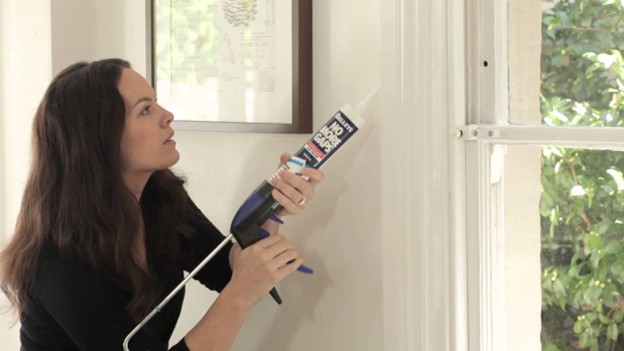
Door sweeps create an effective barrier against cold air which tries to enter through the space under doors. You need to inspect both your attic space and underground basement area for leakages. Sealing gaps will offer both thermal comfort in addition to enhancing the energy efficiency of your home. Sealing gaps in your home creates multiple benefits because it reduces heating system stress and lowers your utility expenses. Your home stays warm throughout winter when it is effectively sealed which leads to double the advantages of comfort and cost reduction
Use Heavy Curtains to Trap Warm Air
Natural light enters through windows although heat easily escapes through them. Heavy curtains serve as an excellent method to retain warm air while protecting indoor spaces from chilliness. Thick insulated curtains function as thermal barriers to fight against cold temperatures therefore keeping heat inside the house at night by closing them. Open your windows during the day to let natural sun rays heat your indoor areas. The use of thermal or lined curtains improves your insulation capabilities.
Fully drawn curtains should block all draft openings when installed on windows. For the best insulation effect hang curtain rods against the wall. The combination of curtains with blinds provides further protection for the space and heavy curtains help cut down your heating system usage. The combination of energy-saving measures reduces both power expenses and maintains interior warmth. This basic change enhances both comfort and energy performance during winter seasons.
Switch to Energy-Saving LED Lights
Lighting controls most of the energy consumption because days are shorter during winter. Upgrading to LED lights for energy savings enables both power consumption reduction and bill savings. LED bulbs diminish your energy usage by 80% in comparison to standard bulb systems. Such bulbs offer an extended lifespan which means owners will replace them less frequently. The combination of affordability and environmental friendliness positions LEDs as a great lighting solution.

The cool nature of LEDs helps maintain adequate indoor temperature during the summer season. The range of LED lights includes options with various color choices and adjustable light intensity to accommodate any room setting. You can save additional energy through the remote management functionality of smart LED bulbs while you should replace basic bulbs and CFLs with LEDs in common zones such as living areas kitchens and hallways.
Gauge the improvements by switching even minimal light fixtures because the outcome makes significant differences with each passing season. When you select LED lighting systems you gain double benefits because they decrease utility expenses while protecting the environment. Implementing a new LED lighting system represents a basic but impactful approach to creating an energy-efficient winter dwelling.

Use Area Rugs to Keep Floors Warm and Cozy
Your home will stay chilly during winter months because of cold floors. The placement of area rugs simultaneously creates a warming effect on floors. Area rugs create insulation by retaining heat which helps stop cold air from going up. Area rugs serve best in living room spaces together with bedroom areas and entrances.
Thicker rugs will maintain better warmth specifically for floors made of hardwood or tile. Insulation along with comfort features are key properties of wool or shag rugs.
Barefoot walking becomes more comfortable throughout winter months because rugs serve as floor insulation. These floor coverings create a barrier that defends against heat loss and lets your heating system operate less strenuously.
The combination of stacked rugs delivers additional warmth and aesthetic appeal to house interiors. An area rug stands as an inexpensive solution for creating warmth in your living areas. Excellent insulation and comfort produced by rugs both enhance living conditions while reducing your heating expenses. Warming up your house for the season becomes easy by properly placing rugs in strategic locations.
Upgrade to Energy-Efficient Windows and Doors
The escape of heat through old windows together with doors reduces the energy efficiency of your home. Changing to energy-efficient materials both improves your home temperature and decreases your heating expenses. Search for windows that provide excellent insulation. Thermal protection reaches its highest level in triple-glazed efficient windows. These glass windows include three layers which form a heat containment system that prevents energy loss.

Energy-efficient windows seal both thermal energy and outside noises within your residence. The installation of energy-efficient doors succeeds in preventing drafts while enhancing house insulation. Your heating costs will decrease by selecting doors with insulated cores that also come with weather stripping for insulation. Proper sealing of door gaps helps maintain indoor heat retention.
While investments for improvement tend to increase the initial financial burden these expenditures lead to long-term cost savings. Better insulation allows your heating system to experience decreased operational strain. Your home temperature stays elevated while energy expenses decrease and your comfort level increases. The purchase of superior-quality windows and doors stands as an effective investment for achieving winter warmth.
Keep Vents and Radiators Clear for Better Airflow
Your heating performance decreases when heat distribution vents and radiators become blocked. Home comfort improves because unobstructed vents enable free warm air movement. Move furniture, curtains, and rugs away from vents and radiators. Your heating system needs to put in additional effort because of blocked airflow which results in higher energy costs. The space around radiators should remain unblocked so heat can distribute uniformly throughout the room. Dirt and dust can cause barriers that inhibit heating system vent operation.
The efficiency of airflow depends on performing regular maintenance cleaning. You should clean baseboard heaters using a vacuum to eliminate dust accumulation on their surfaces. Good ventilation lets rooms become warmer more quickly as well as maintain warmer temperatures for longer periods. Clearing vents and radiators increases efficiency while saving energy costs and providing better indoor warmth during wintertime.
The efforts to make your winter home energy-efficient create financial savings while maintaining comfortable heat levels. Basic energy-saving measures that include sealing gaps along with heavy curtain usage and LED light adoption significantly reduce energy consumption. Multiple minor changes accumulate to deliver decreased utility bills together with enhanced comfort at home. Use winter season as an opportunity to combine warmth with saved energy for better comfort.





Discover more from
Subscribe to get the latest posts sent to your email.

Leave a Reply