
Why it might be time to press pause on some of those digital subscription services
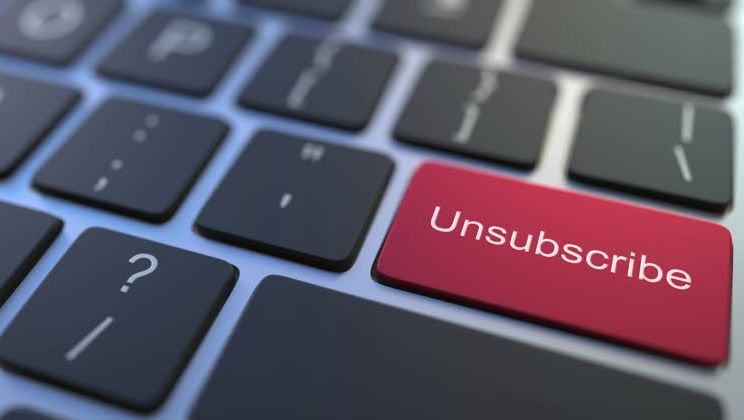
The other day I got scammed online. It happens to the best of us. Mine was a dodgy subscription through a software company allegedly set up in the Ukraine. At first, I thought it was just an innocent error because, you know, it’s innocent Ukraine (hmmm).
I’d subscribed to a bit of computer software that I didn’t need the full package of, and figured why part with a full $99 when I could just pay a small monthly instalment for ad hoc use, the usual 7 days free trial included. I got my 7 days, cancelled prior to end of the trial, then saw a full year’s payment still went through. Then another year’s. Then another year’s. Repeating even when I’d told my bank to stop them.
Despite the drama and hoops I had to go through to stop the transactions from continuing, I’m still not overtly petrified with dealing with digital services and subscriptions. I don’t think many of us are.
Where once we’d tremble pressing that Subscribe button for fear of being ripped off by some stranger, now we’re inclined to just go with the show, Joe, and suffer the potential bureaucratic consequences afterwards.

Apple, Amazon, Netflix, Binge, Disney, PlayStation, Paramount, Prime, Fetch, Stan, Hubbl… there’s at least one of these you’re likely subscribed to. We let these companies take their monthly (sometimes daily) fees and surcharges as we get along with our busy lives, knowing that at the end of the day, there’s a cosy couch to relax to and a host of services to tune into for the full chill experience.
In some cases, the charges are economically priced and fair – at least to start; in other cases it’s an absolute rort, especially the sudden hikes in subscription prices.
Either way, we work our way through this popular streaming channel… that niche digital library… and those newer ‘all-your-media-in-the-one-place’ platforms that only add to the overload, calculating what we owe here and there or, alternatively, forgetting what we’ve subscribed to as our money goes down the digital drain.
The digital subscription phenomenon is a huge one at the moment. Where once media was delivered to us one-way – from television station to our homes, or newspaper publishing house to our front lawn – we’re now sold a perceived advantage of being able to ‘curate’ our own media-receiving portfolio.
But with so many options put forward to us every other week, it becomes less of a clean curation exercise and more of a chaotic crap-fest. Still, we’re signing on in the millions while the owners of these service providers rake in the billions.
According to digital analytics website Stocklytics.com, people worldwide spend around half a trillion dollars on digital media subscriptions and downloads annually. Subscription businesses have grown tremendously over the past couple of years, enduring beyond the pandemic surge.
Roughly half the revenue comes from video games, the market`s largest and highest-grossing segment. Statistics show consumers spent almost $250 billion on video game subscriptions and downloads, translating into an average spending of $205 per user.
While far below video games in total subscription spending, video-on-demand saw even bigger growth. Last year, an average internet user spent $56.5 on video-on-demand subscriptions, seeing global full-year spending jump to nearly $160 billion. This represents a massive 20% increase year-on-year, the biggest among all digital media categories. Digital music subscriptions follow with an 11.7% increase and $36.3 billion in total spending.
Statistics show the US is by far the biggest spender in digital subscriptions, with the average American having spent over $850 on digital media subscriptions and downloads last year – twice as much as Brits or Germans and almost five times more than the global average.
Japanese follow Americans with $150 less in total subscription spending or roughly $700 per internet user. With an average spending of $563 per user, South Korea ranked third, outpacing Western countries like Germany, the UK, and France.
Australians ranked as the 7th highest nation in digital service spending with each of us dishing out over $400 on digital subscriptions and downloads per year.
With digital services being intangible and the buying and selling of these being virtually invisible, it’s an easier market for scam artists to tap into. The Australian Competition and Consumer Commission’s (ACCC) Scamwatch service received 301,791 scam reports in 2023 (up 26 per cent on 2022 and presumably even higher in 2024 and ’25).
Says ACCC Deputy Chair Catriona Lowe, “As scammers become increasingly sophisticated in their tactics, it is clear a coordinated response across government, law enforcement and the private sector is essential to combat scams more effectively.”
While our relatively lazy government takes its time responding to combatting scams in Australia, the rest of us will have to remain diligent, perhaps even choosing to press pause on some of the dozens of services we’re willy-nilly subscribing to.
It might mean we have to put up with more annoying ads in the interim but then weren’t they so much worse back in the day when old-school media were dishing them out to us? At least the new ad influx is algorithm-tailored.



Why it might be time to press pause on some of those digital subscription services

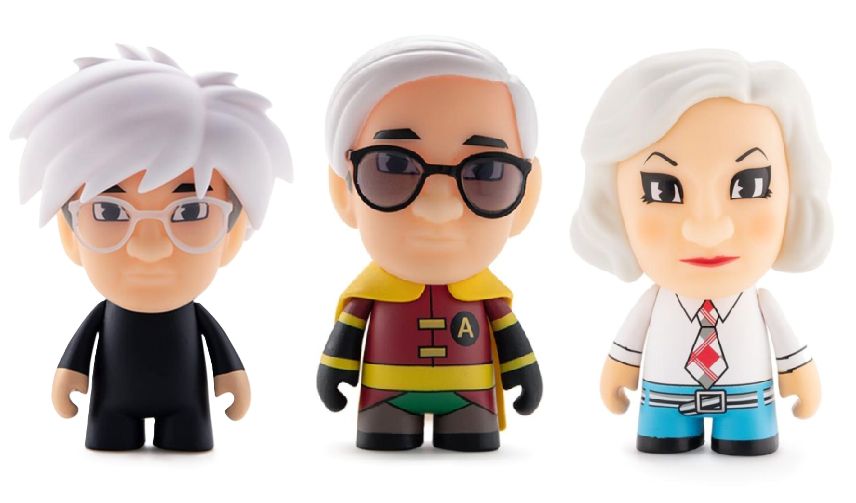
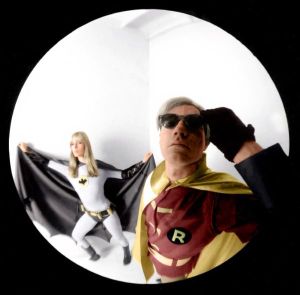 But occasionally Andy would dress up in the most outlandish of outfits, especially if it was for a dress-up party or a photo shoot for a magazine – like the time he dressed as caped crusader Robin alongside rock singer Nico as Batman in a 1960s spread in Esquire magazine.





Ground Control to Major Don: 60 Years of ‘Lost in Space’, an interview with actor Mark Goddard
Survival of the Fittest: an interview with rock poet Patti Smith from the Cream archives
Discover more from
Subscribe to get the latest posts sent to your email.
