
New exhibition at AGWA ‘Borders / Borders’ captures geopolitical issues in a decidedly minimalist but dramatic format
By creammagazine,
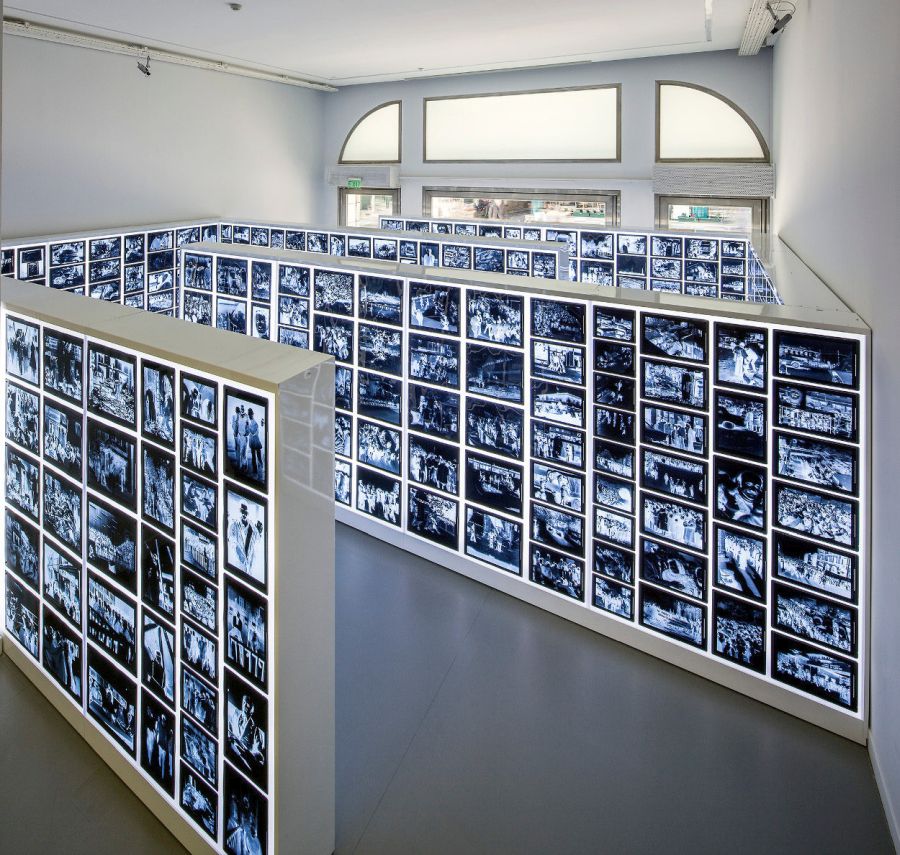
Seeing the latest exhibition at the Art Gallery of Western Australia (AGWA) Borders/Borders by photographer Hale Tenger, you really feel as though you are there with the artist, in the thickof atrocities and political uprising wherever her lens has dared to go.
Tenger, a Turkish artist, has been capturing and collecting images of scenes from various political, historical and cultural realms since the 1990s – themes that question the relationship between personal memory and collective experience.
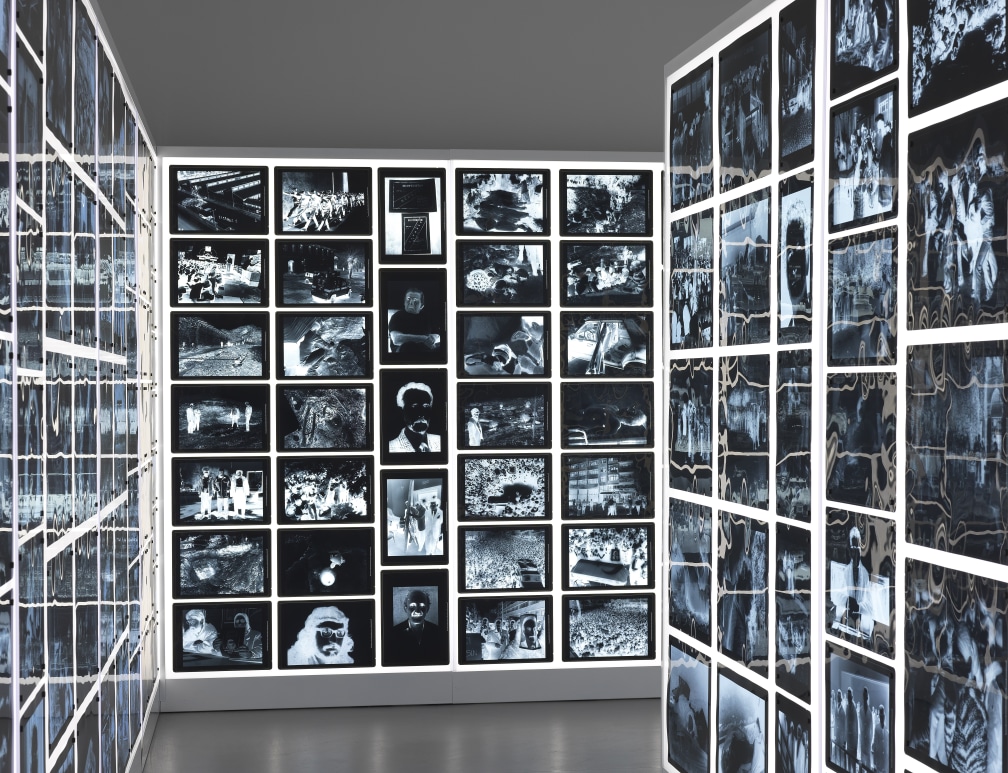
Physically, the exhibition starts with a zig-zag of a path that is helmed by walls of hundreds of photographs – snapshots of protests, political marches, urban poverty, and other geopolitical scenes that tug at the viewer’s senses.
Every photograph is presented in its negative form, suggesting that the atrocities and dramatic scenes captured might perhaps be too confronting to present in full and in positive photographic reproduction.
The images are in fact digitally processed photographs compiled from press archives, put onto plexiglass sheets, with LED light modules functioning as something called “negatoscopes”. The effect, as a whole, is actually quite startling.
While Tenger’s background is Turkish, the ‘Borders’ that this exhibition refers to might well be relevant to any nation that is currently battling with a sense of discord, dissonance and division. Ultimately, then, the exhibition makes way for dialogue around both global and local issues.

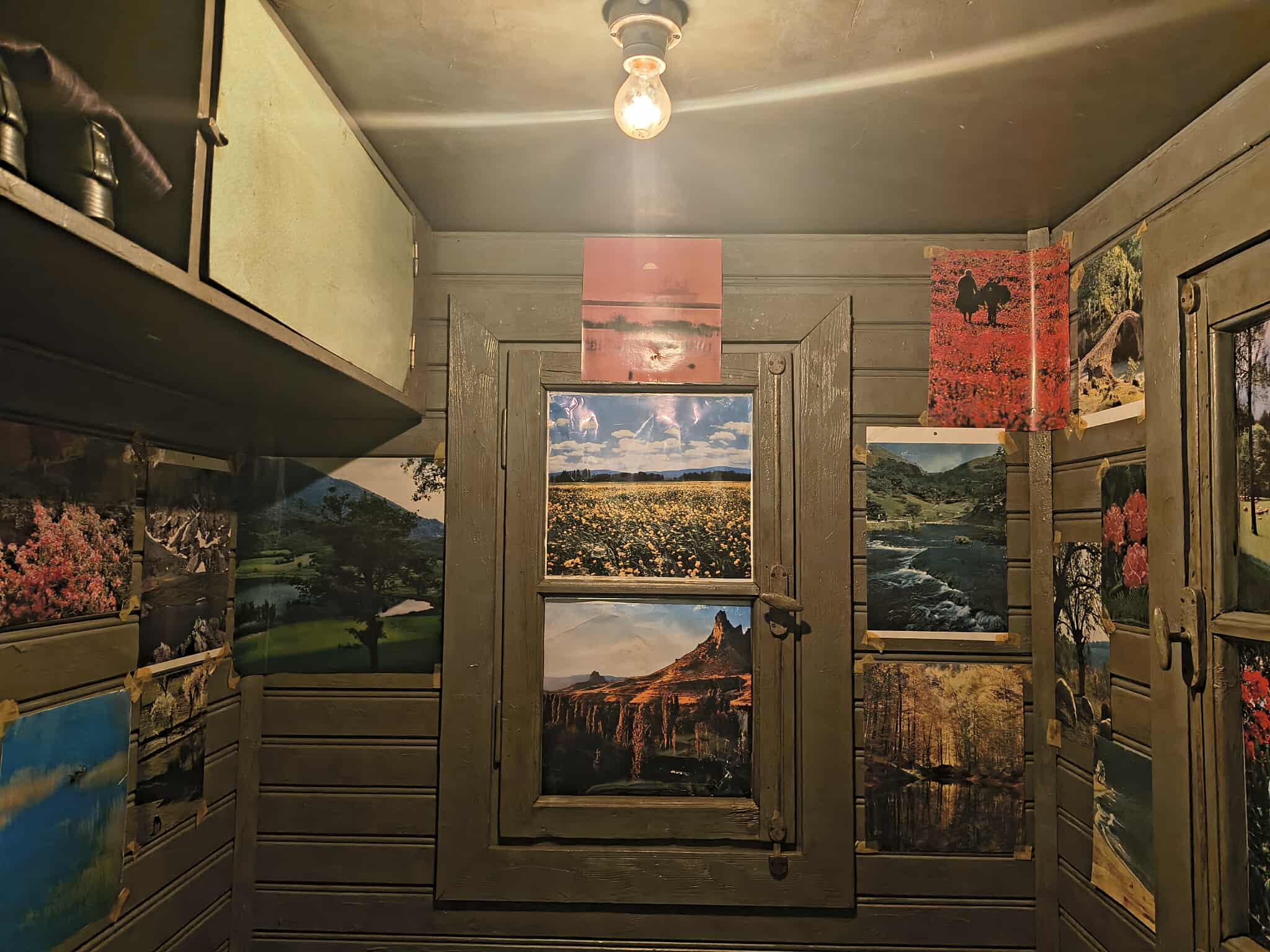
The visual and installation aspects culminate with a huge white space bordered up with barbed wire fencing, where in the middle sits a kind of military bunker, as if once slept in by a soldier or asylum seeker. As you step inside the bunker, you sense a certain claustrophobia that can only be a fraction of what real terror such a confined space might give a victim of war or person of political asylum.
Borders / Borders is the first museum survey of its kind to be held at AGWA, and it is on until February 8, 2026. For more information visit artgallery.wa.gov.au. It is definitely a must-see for all West Australians and visitors to the state.
Image, top of story: photo by Murat Germen of exhibition Hale Tenger, ‘I Know People Like This III 2013’. Dry laser printing on x-ray film; 731 digitally processed photographs compiled from press archives, plexiglass sheets, 22 aluminum LED light modules functioning as negatoscopes; Arter Collection, Istanbul.
Image, middle insert: photo by Vehbi Dileksiz of Hale Tenger’s ‘We didn’t go outside; we were always on the outside / We didn’t go inside; we were always on the inside’ 1995/2015;
wooden guard house, printed matter, radio, teacup, fan, barbed wire fence, sound; Arter Collection, Istanbul.
Image, final: photo by Antonino Tati; ‘We didn’t go outside; we were always on the outside / We didn’t go inside; we were always on the inside’ 1995/2015 (detail); wooden guard house, printed matter, radio, teacup, fan, barbed wire fence, sound.
AGWA Design Store keeping things nice and green. And pink. And orange. And yellow. And…

Timeless Looks: A Fashion Retrospective

↑ Samantha Harris wears Nicola Finetti; photography by Helen White (Cream, Issue 43).
It’s normal these days to see models of various ethnicities grace the covers of Vogue and Marie Claire, but just a quarter of a century ago diversity in fashion was virtually unheard of – that is until the likes of oyster, cream and (not only) black & white came along. Not only were the magazines aesthetically akin (each larger than your average A4; keeping the first letter of their mastheads in lowercase), they each presented fashion for a variety of micro-markets – not just a mass market of keeper-upperers.
The fashion pages of these titles always welcomed models of various cultures and nationalities, throwing racial conservatism out the proverbial window.

Helping kickstart the careers of strong, beautiful women such as Papua New Guinea-born Erika Heynatz, African muse Akoul, and Aboriginal-German model Samantha Harris, diversity was not only celebrated in Cream, a certain uniqueness was mandatory if a model were to make it onto these pages.
Enjoy a gallery of fashion in all its inclusive glory. One thing’s certain about the looks: most of them are fairly timeless.
Images curated by Antonino Tati
Art direction by Sylvia Weimer

↑ Kaia wears Akira; photography by Helen White (Issue 01).

↑ Fashion story ‘Swarm’; photography by David Sterry (Issue 03).

↑ Wendy Matthews wears Akira; (photography by Helen White (Issue 03).

↑↓ Fashion story ‘Dem Blues’; photography by Romello Pereira (Issue 08).

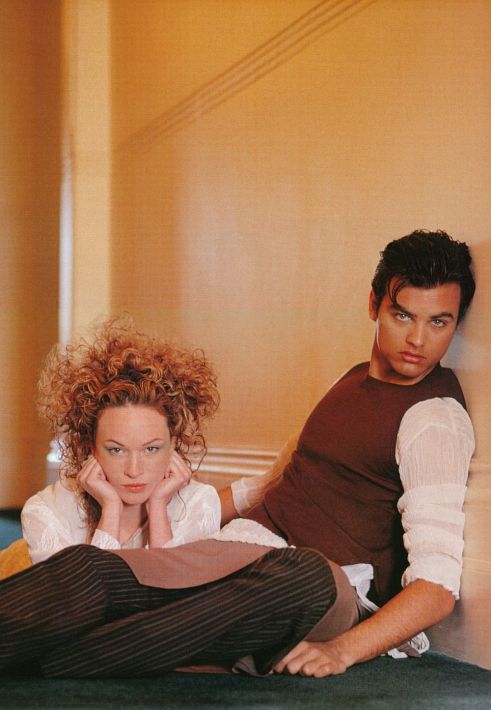
↑ Rebecca & Christian wear Zambesi & Nicola Finetti; photography by Helen White (Issue 02).
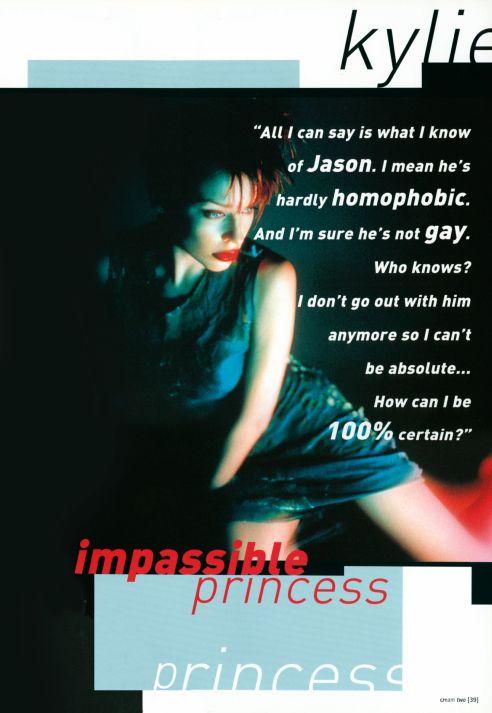
↑ Kylie Minogue wears Zambesi (Issue 02).

↑ Erika Heynatz wears vintage fur coat; photography by Sabine Liewald (Issue 03).
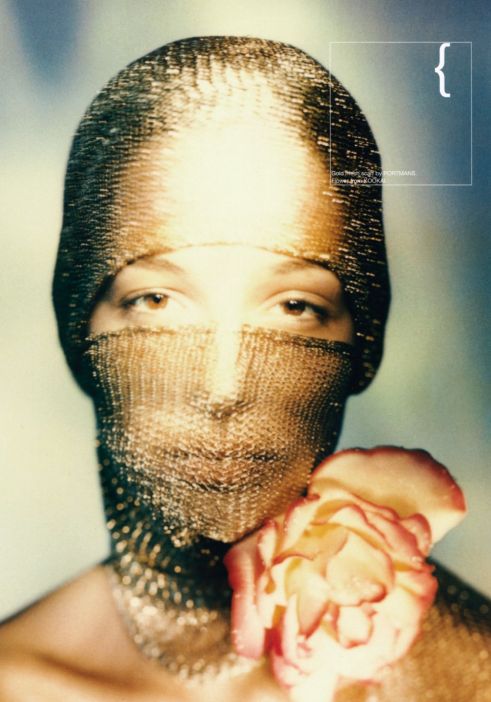
↑ Amanda wears Portmans scarf as headpiece; photography by Josef Giranio (Issue 13).

↑ Madonna wears Max Factor; photography by Alek Keshishian (Issue 06).

↑ Akoul wears Bernard Willhem & Alistair Trung; photography by Simon Upton (Issue 43).

↑ Model wears Nicola Finetti; photography by Eddy Ming (Issue 02).
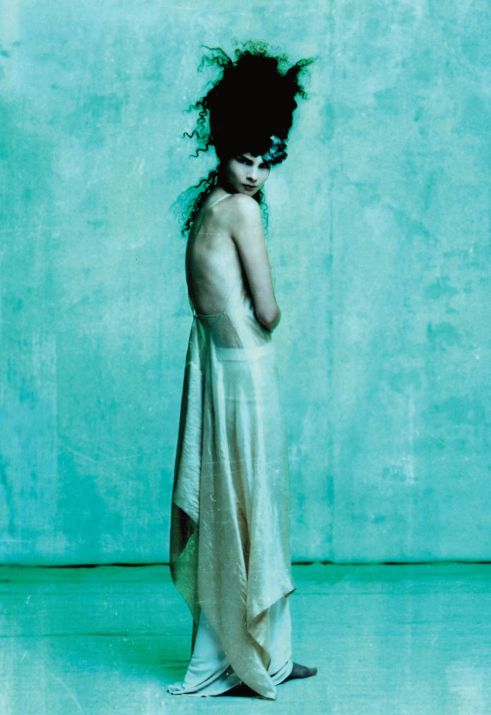
↑ Model wears Akira; photography by Justin Cooper (Issue 07).
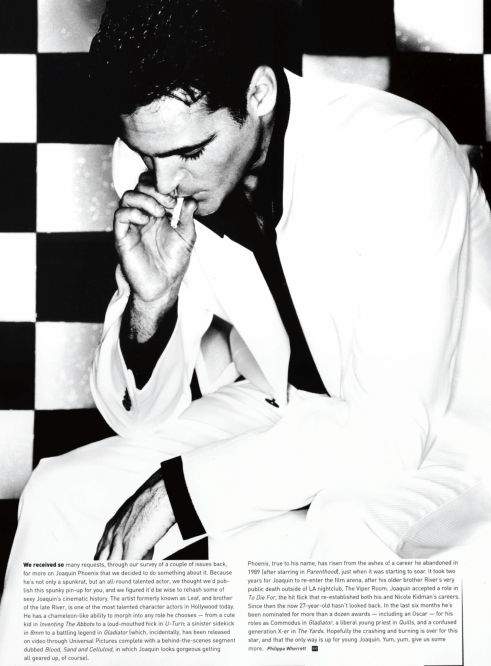
↑ Joaquin Phoenix wears Emporio Armani (Issue 13).

↑ Janet Jackson; photography by Albert Sanchez (Issue 15).
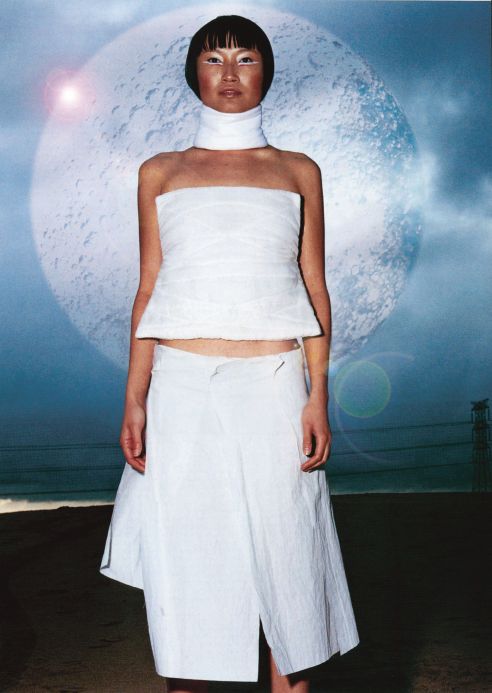
↑ Meble wears Nicola Finetti; photography by Lyn Balzer & Anthony Perkins (Issue 07).
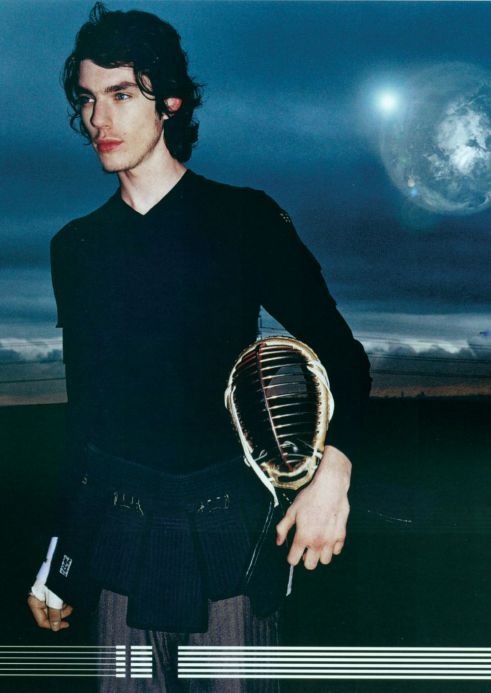
↑ Ross wears G-Star; photography by Lyn Balzer & Anthony Perkins (Issue 07).
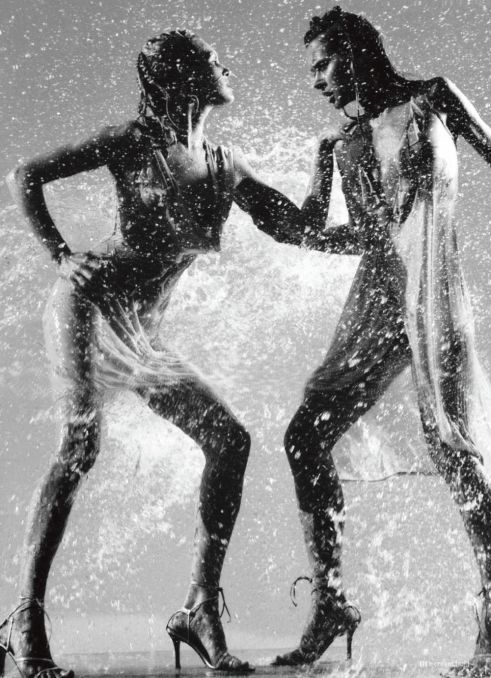
↑ Melissa wears Morrissey, Kristina wears Clements Ribiero; photography by James Houston (Issue 13).
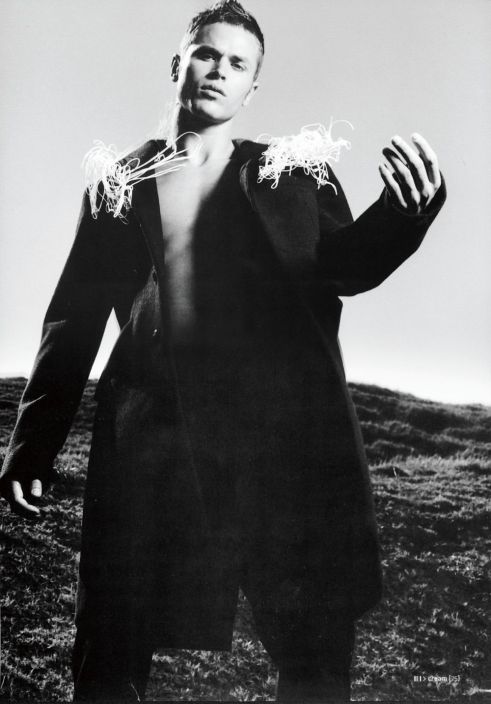
↑ Fashion story ‘Babe in the Woods’; photography by James Houston (Issue 14).

↑ Fashion story ‘Fade to Grey’; photography by Robert Holmes (Issue 03).

↑ Kyle Neven (aka Casey Jordan) wears Versace; photography by Helen White (Issue 02).
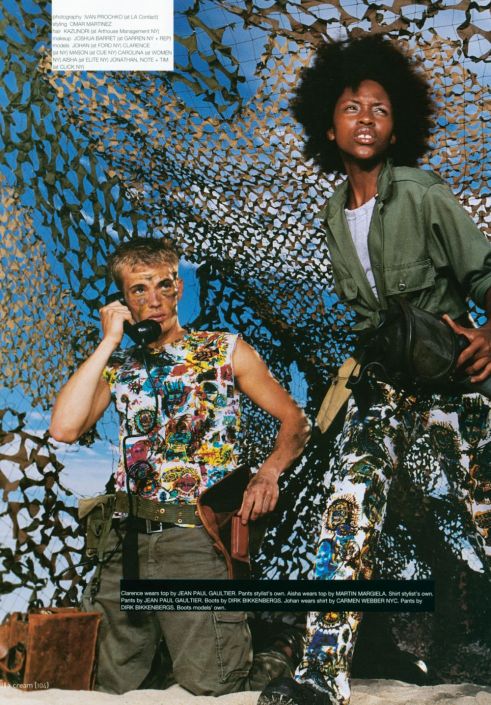
↑ Clarence wears Jean Paul Gaultier and Aisha wears Martin Margiela and Jean Paul Gaultier; photography by Ivan Prochko (Issue 12).
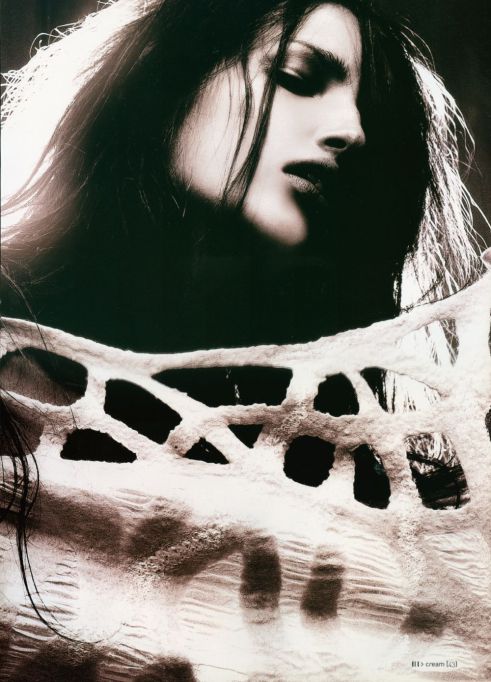
↑ Fashion story ‘The Very Fabric’; photography by Jez Smith (Issue 14).


The designs of Vivienne Westwood and Rei Kawakubo set to take over NGV from December

The National Gallery of Victoria is set to overflow with avant style this December when it presents two of the world’s greatest design icons in the one exhibition.
NGV’s world-premiere summer blockbuster exhibition will see the works of British designer Vivienne Westwood (1941 – 2022) and Japanese designer Rei Kawakubo (b. 1942) of Comme des Garçons fame peppered throughout the gallery.
Born a year apart in different countries and cultural contexts, each designer brought a rule-breaking radicalism to fashion that subverted the status quo not only in their respective nations but across the world. Today, their critically acclaimed collections are celebrated globally for having questioned conventions of taste, gender and beauty, as well as challenging the very form and function of clothing.
Through a showstopping display of more than 140 innovative and ground-breaking designs, Westwood | Kawakubo will explore the convergences and divergences between these two self-taught rebels of the fashion universe.

Included will be loans from international museums and private collections – including London’s The Victoria & Albert Museum, New York’s Metropolitan Museum, Paris’ Palais Galliera, and the Vivienne Westwood archive – alongside 100-plus outstanding works from the NGV Collection.
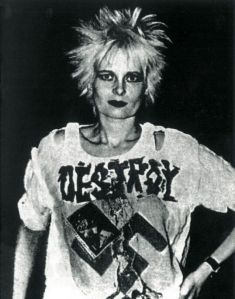 Presented thematically, Westwood | Kawakubo will chart each iconic designer’s practices – from the mid-1970s to the present day – inviting audiences to consider the multiple ways that Westwood and Kawakubo have each rewritten fashion conventions and codes over the course of their careers. These include: the impact and influence of the punk zeitgeist of the 1970s; the reinterpretation and reinvention of historical fashion references; their experimental design methodologies and the interrogation of gender and the idealised body. Alongside fashion, the exhibition also features archival materials, photography, film and runway footage, offering audiences a deep insight into the minds and creative processes of these two legends of contemporary fashion.

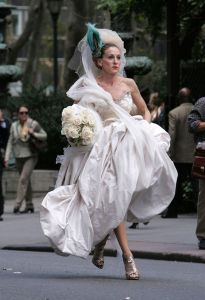
Exhibition highlights include Westwood’s iconic punk ensembles from the late ’70s, popularised by London bands such as The Sex Pistols and Siousie Sioux; the Mac Andreas tartan gown from Westwood’s Anglomania collection (A/W 1993-94), famously worn by Kate Moss on the runway; and the original version of the corseted Wedding dress first shown in the Wake Up, Cave Girl A/W 2007-08 collection and later worn by Sarah Jessica Parker in Sex and The City: The Movie.
 In 2017, The Met in New York staged the exhibition, Rei Kawakubo / Comme des Garçon: The Art of the In-Between, which opened with the pop culture phenomenon the Met Gala. The NGV exhibition features a version of the sculptural petal ensemble worn by Rihanna on the red carpet, as well as key designs from collections of those worn by Lady Gaga and Tracee Ellis Ross. Also on display are dramatic abstract works spanning the recent decades which challenge the relationship between the body and clothing.
Says the Minister for Tourism, Sport and Major Events Steve Dimopoulos: “[This] exhibition is one of the most anticipated events on the Gallery’s calendar of year-round programming and it highlights the incredible appetite for cultural experiences over the summer period among both Victorians and visitors alike.”
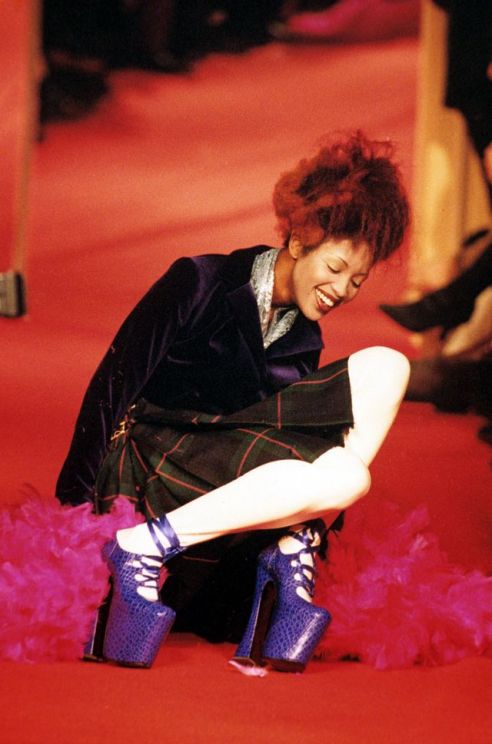
Lest we forget Naomi Campbell’s grand stacking-it-on-the-runway moment for Westwood during the designer’s ‘Anglomania’ show of 1993.
Adds Tony Ellwood, Director of the NGV: “Westwood | Kawakubo invites audiences to reflect on the enduring legacies of these ground-breaking designers and contemplate the ways in which fashion can be a vehicle for self-expression and freedom.”
See how the best expressed themselves at the NGV this summer.
Westwood | Kawakubo will be on at the National Gallery of Victoria, 180 St Kilda Road, Melbourne, from 7 December 2025 – 19 April 2026. Tickets will be available through ngv.vic.gov.au.

Boredom Is Out, Bold Is In: Designers Share How Retro Prints Are Redefining Beach Style
Rate this:
#ANTONINOTATI #CREAMMAGAZINE #creamMagazineRetrospective #FASHION #LIFESTYLE #nationalGalleryOfVictorial #ngv #ReiKawakubo #VIVIENNEWESTWOOD #WestwoodKawakubo

Boredom Is Out, Bold Is In: Designers Share How Retro Prints Are Redefining Beach Style
Rate this:
#339966 #akiraIsogawa #antoninoTati #book #creamFashionRetrospective #creamMagazine #creamMagazineFashion #davidSterry #exposure #fashion #fashionGallery #helenWhite #jamesHouston #janetJackson #jezSmith #kaiaCreamMagazine #kylieMinogue #madonna #nicolaFinetti #poppics #poppicsExposure #samanthaHarris #thamesAndHudson #wendyMatthews


We Come Bearing GIFs… a gallery of brilliant animated album art

Once upon a time, album releases would come with the full packaging. Like, literally. The vinyl record would come in a sturdy cover – sometimes gatefold, which would hold sleeve notes, song lyrics and in some cases stickers (The Velvet Underground & Nico) on them, or cardboard cut-outs within them (The Beatles’ Sgt Peppers).
Back in the day, artists – or at least their record companies – would consider the creation of album art as important as the music itself.
A decade on from The Beatles unleashing the epic cover art that is Sgt Pepper, album art of the late 1970s saw everyone getting in on the aesthetic act – whether it was Pink Floyd featuring businessmen shaking hands – one of them covered in flames (Wish You Were Here), ABBA huddling up in a helicopter all dramatic-style (Arrival), or Blondie making a bold statement in front of a striped wall (Parallel Lines), each work stood out not only for its excellent music but for the images emblazoned on the record sleeves.

The 1980s witnessed the peak of creative album art with Duran Duran, Michael Jackson and Madonna all putting stacks of cash into their cover creations, each carefully considering the ‘message’ they wanted to convey as part and parcel of their music marketing.
It was pre-packaged – but with thought and purpose.
With the advent of the MP3 and downloading, art took a backseat as music became rapidly produced, haphazardly distributed and quickly disposed of – often in a matter of days.
Suddenly, though, there appears to be a resurgence in the desire for quality album art, with some artists opting to present their releases with animated GIFs – making shopping on Apple Music less of a static affair.
Artists who have hopped onto the art-is-good bandwagon include Taylor Swift (Folklore), Beyoncé (Lemonade), Paul McCartney (McCartney III), Gorillaz and The Weeknd.
Today, a striking cover image can mean the difference between someone listening to your music or scrolling right past it.

DIY music makers and bedroom boffins can even create their own animated artwork using software available on sites like rotorvideos.com and Sound Plate. Heck, they might even wish to turn to one particular designer who can whip the magic up for them; that is genius animation artist, Juan Betancourt.
Betancourt (otherwise known as jbetcom) came up with the excellent idea of turning classic album covers (and a couple of contemporary favourites) into animated artworks – and the results are very clever.
Born and raised in Caracas, Venezuela, Betancourt (not to be confused with the Cuban model of the same name) taught himself the basics of animation and, armed with photoshopping software and an absolute love of music, created the following brilliant works.
You can see more at jbetcom.tumblr.com but here are some of my favourites.
Antonino Tati

↑ David Bowie | Aladdin Sane

↑ KISS | Rock And Roll Over

↑ KISS | Kiss

↑ Pink Floyd | The Wall
↑ Pink Floyd | Dark Side Of The Moon


↑ Led Zeppelin | Celebration Day

↑ Def Leppard | Pyromania

↑ Supertramp | Crisis? What Crisis?
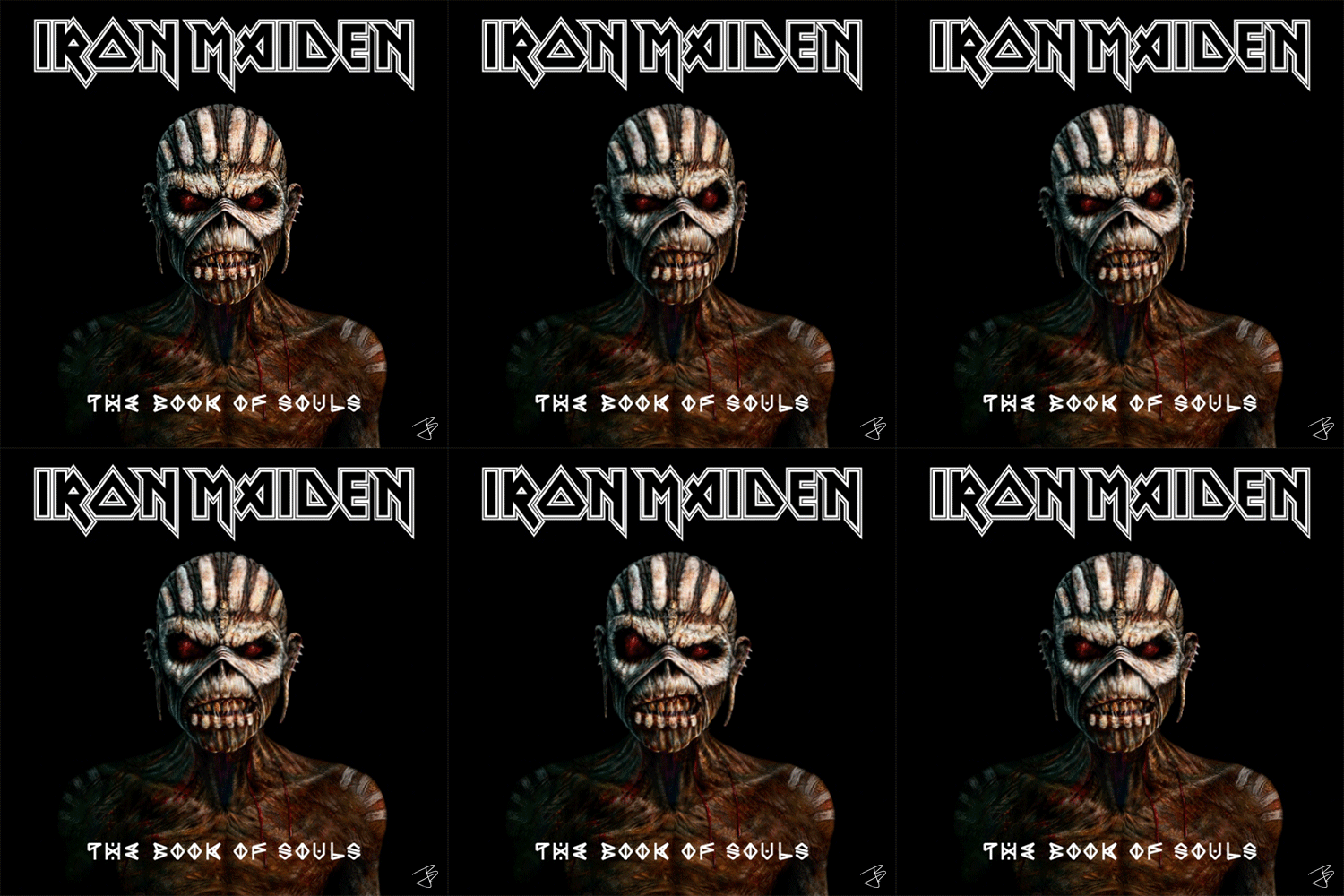
↑ Iron Maiden | The Book Of Souls

↑ AC/DC | Fly On The Wall
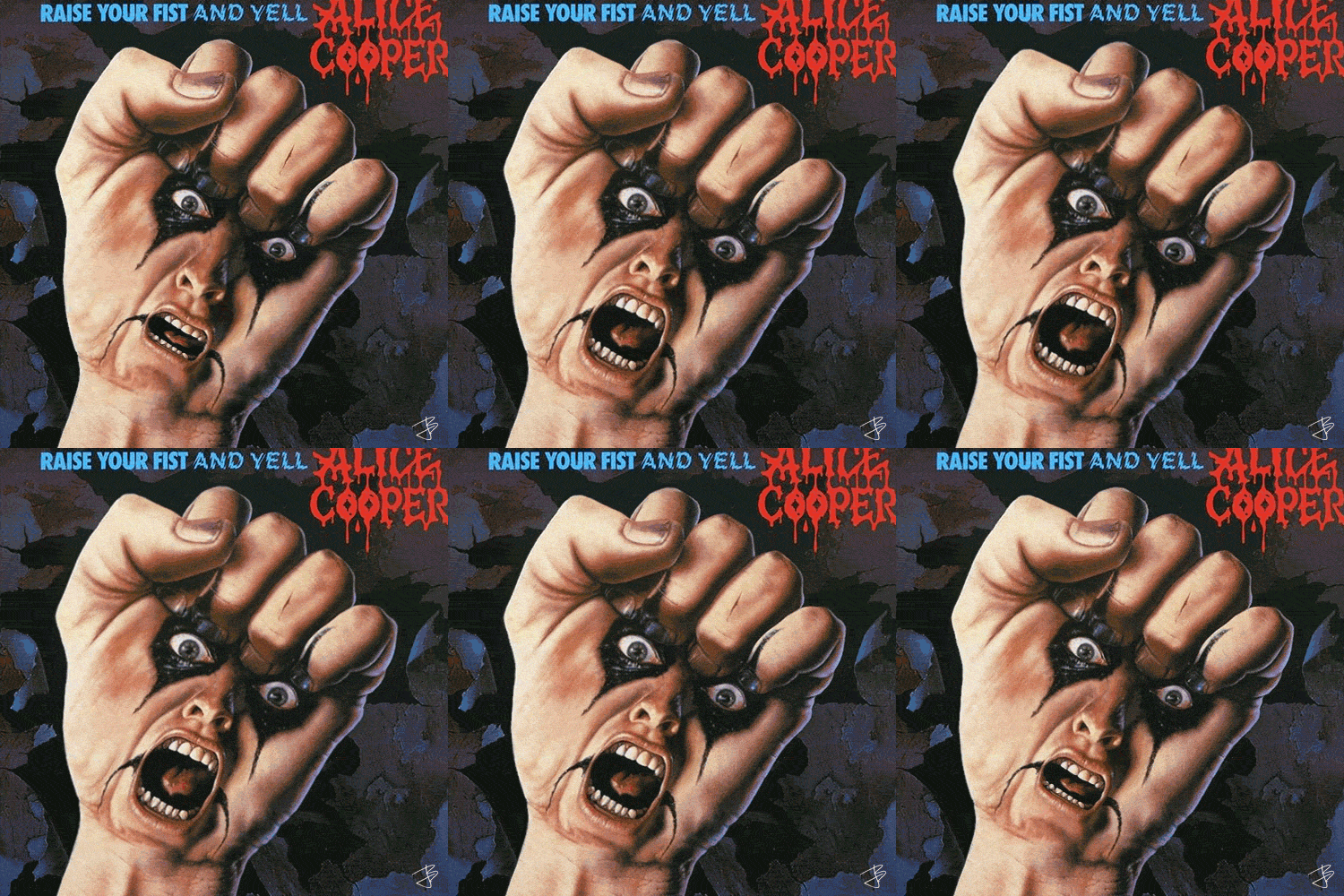
↑ Alice Cooper | Raise Your Fist And Yell
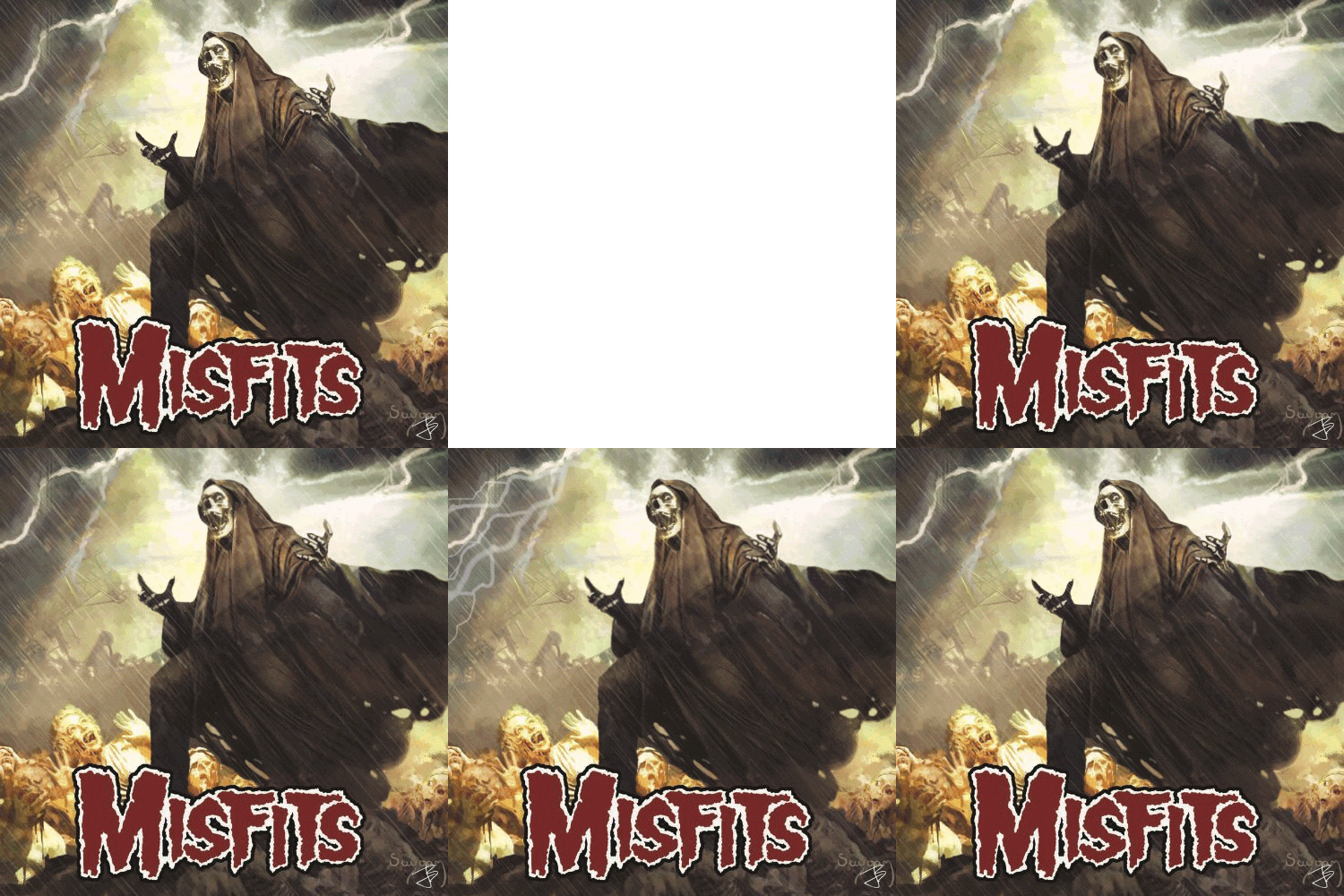
↑ The Misfits | The Devil’s Rain

↑ Michael Jackson | Dangerous

↑ Lagwagon | Hoss

↑ 2Pac | All Eyez On Me
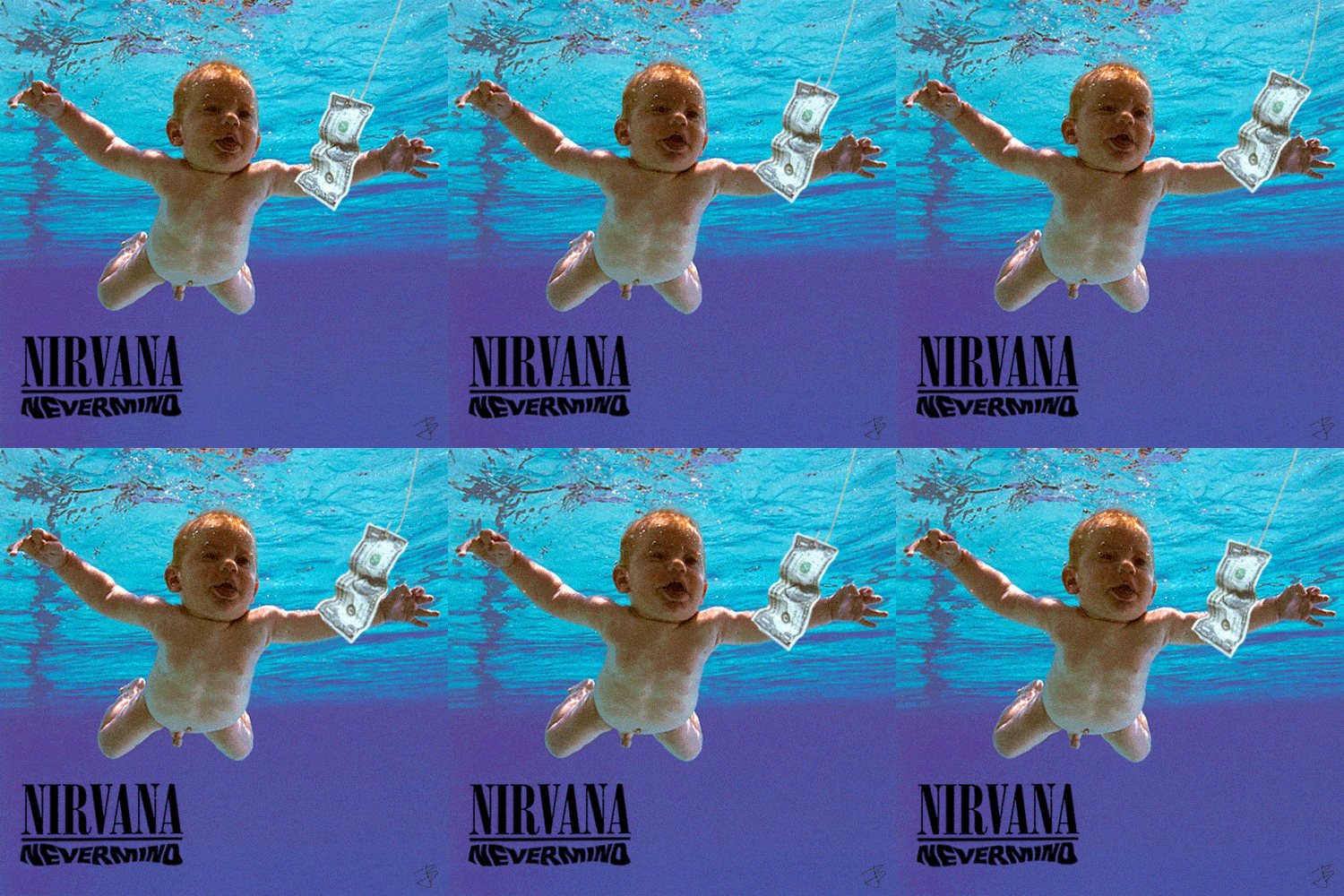
↑ Nirvana | Nevermind
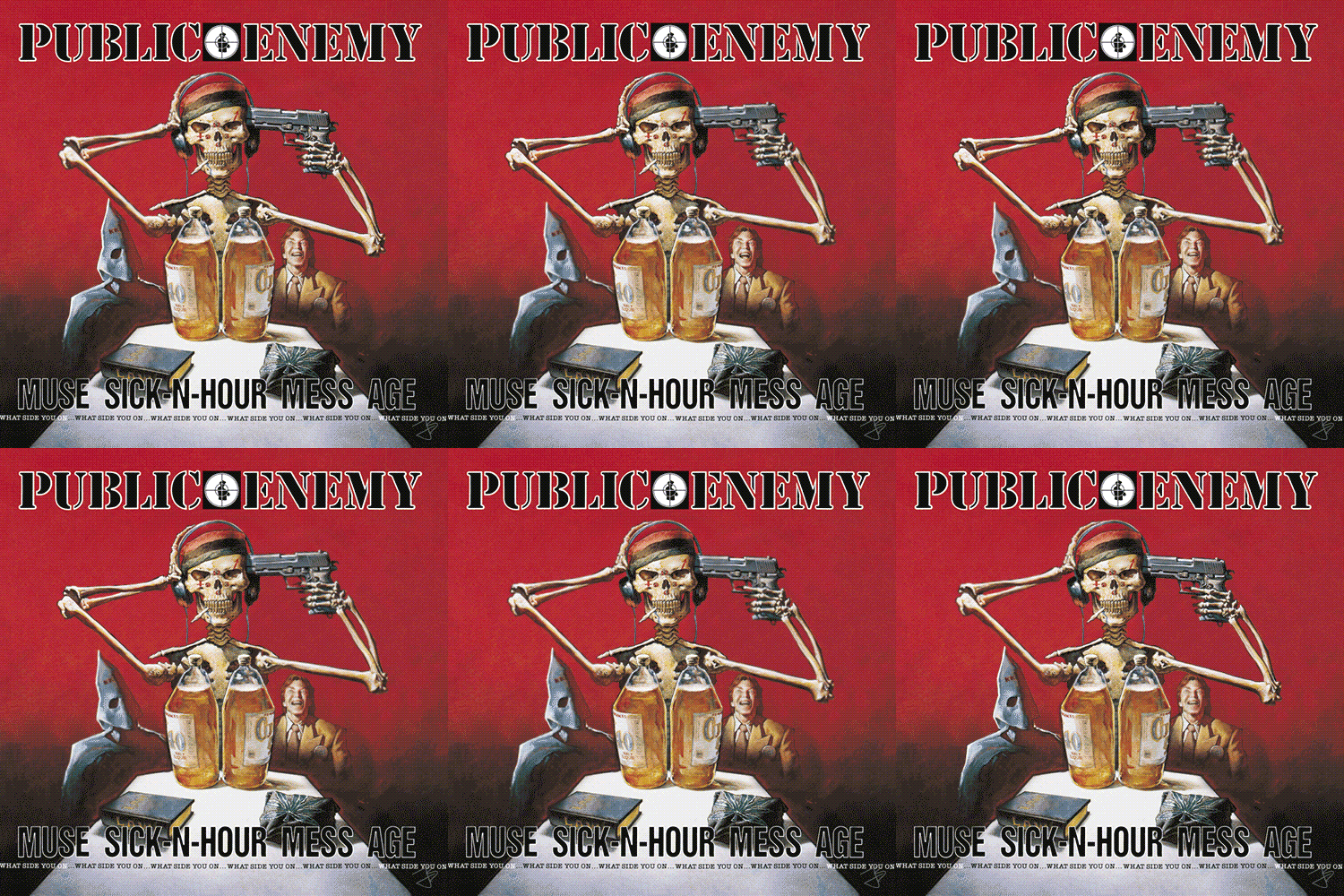
↑ Public Enemy | Muse Sick ‘N’ Hour Mess Age

↑ The Offspring | Splinter

↑ The Offspring | Americana
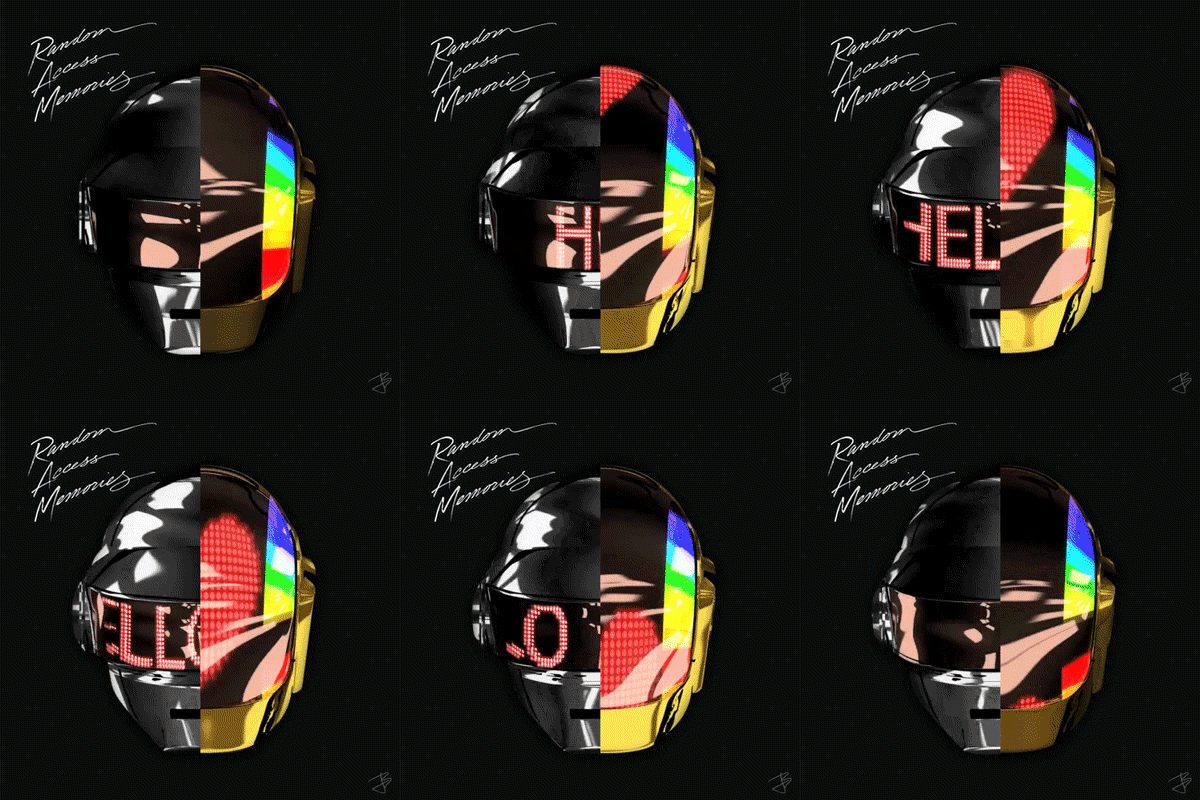
↑ Daft Punk | Random Access Memories

↑ Blur | Modern Life Is Rubbish


↑ Coldplay | Parachutes

↑ The Killers | Battle Born
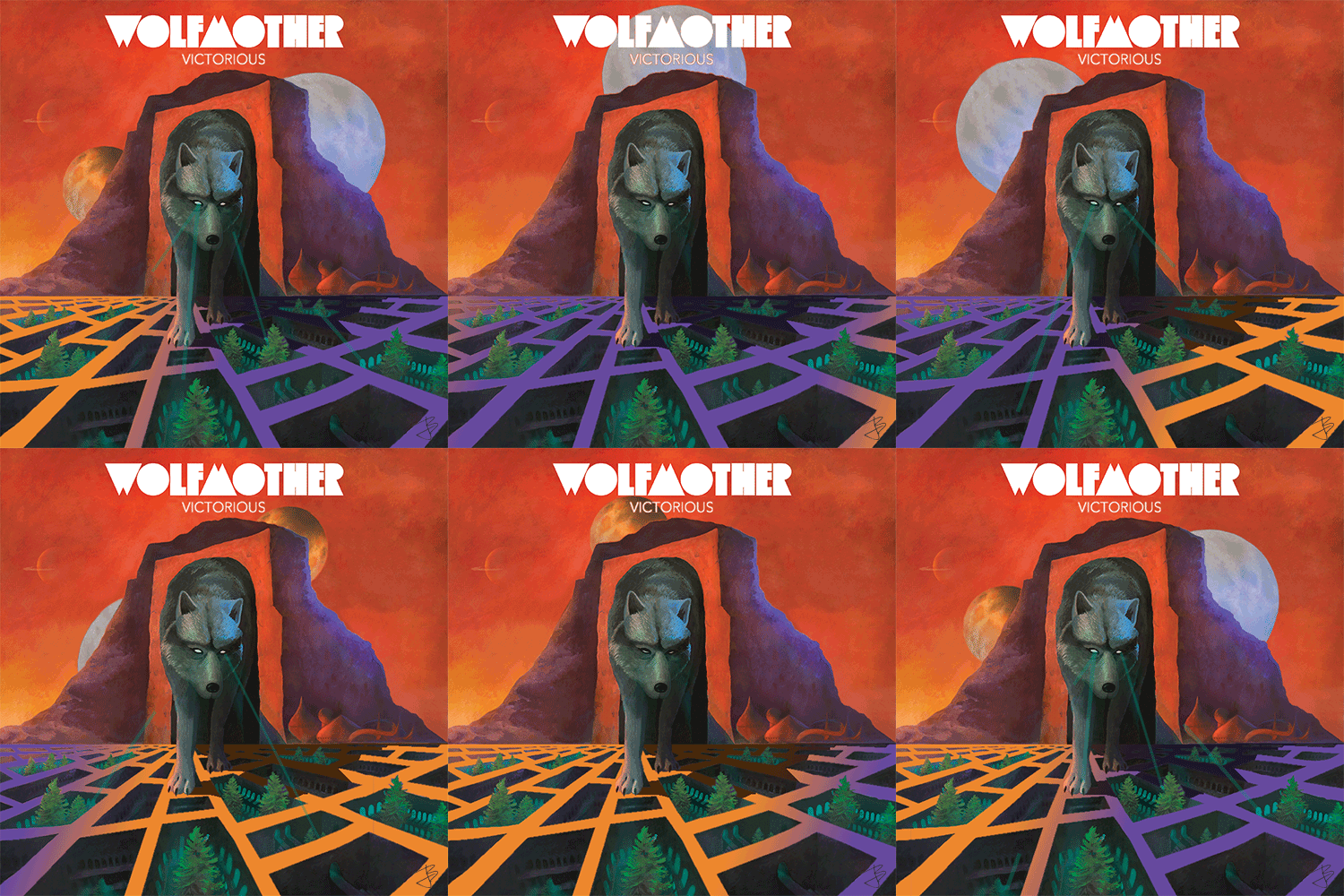
↑ Wolfmother | Victorious

↑ Imagine Dragons | Night Visions

From the Vault: Boy George on bisexuality, butch versus tenderness, and the difficult side of drag
More iconic Kylie costumes and accessories on display at the Australian Music Vault


Rate this:
#albumArt #albumArtwork #animatedAlbumArt #animatedAlbumCovers #animatedRecordCovers #antoninoTati #creamMagazine #creamMagazineTheNewRetroModern #gallery #galleryOfGifs #gifs #jbetcom #juanBetancourt #memes #musicMemes #popCulture #vinylRecords #visualArts


Andy Warhol: a man of many faces paid homage to in 14 mini figures by Kidrobot
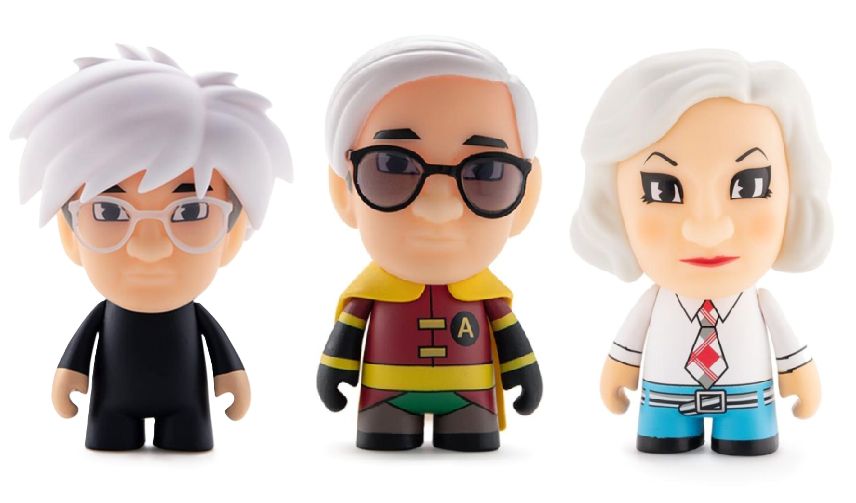
When I think of pop artist Andy Warhol, I automatically picture him in black jeans, black polo and a white pussy-cat wig. The wardrobe was surprisingly minimalist for a man who once splashed so much colour onto canvas.
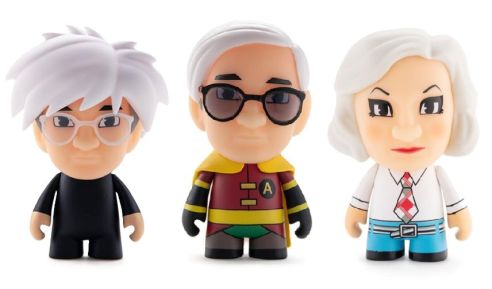
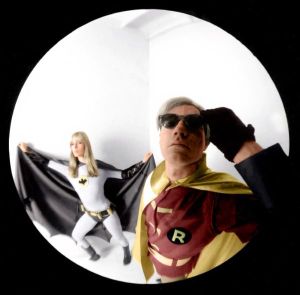 But occasionally Andy would dress up in the most outlandish of outfits, especially if it was for a dress-up party or a photo shoot for a magazine – like the time he dressed as caped crusader Robin alongside rock singer Nico as Batman in a 1960s spread in Esquire magazine. Andy Warhol as Robin with Velvet Undergound frontwoman Nico as Batman, photographed by Frank Bez.
Warhol also donned boxing gear alongside street artist Jean-Michel Basquiat, the pair of them taking the mickey out of everyone’s assumption they often sparred for attention in the art world. And who could forget the various forms of drag Andy executed, even if it meant a just pasty white makeup, ruby red lipstick and lopsided platinum wig that made street hookers look fancy.
So, yes, Andy Warhol did dolly himself up on occasion, despite the regular head-to-toe black he wore.

To commemorate the pop artist in all is sartorial glory, pop vinyl figure creators Kidrobot have released the Many Faces of Andy Warhol series – featuring 14 variants of the greatest pop art icon himself.

Covering three decades of famous looks – from the simple, black glasses and white hair, to the sublime (that time he wore a human skull on his head), each three-inch short figure makes a big statement.

There’s Madison Avenue 1950s, Technicolor 1980s, Point and Shoot Andy, Fright Wig Andy Warhol (a couple of those, actually), and even Space Fruit Andy.
Many looks, then, from the man who knew aesthetics were everything in the superficial world of glamour.
The Many Face of Andy collection is available through Popcultcha. Full set RRP $479 but it’s currently on special for $399.99.
Alternativley, you can purchase a blind box from the range and be surprise by what you get, at just $10.99 per mini figure, at the Andy Warhol collection on kidrobot.com.
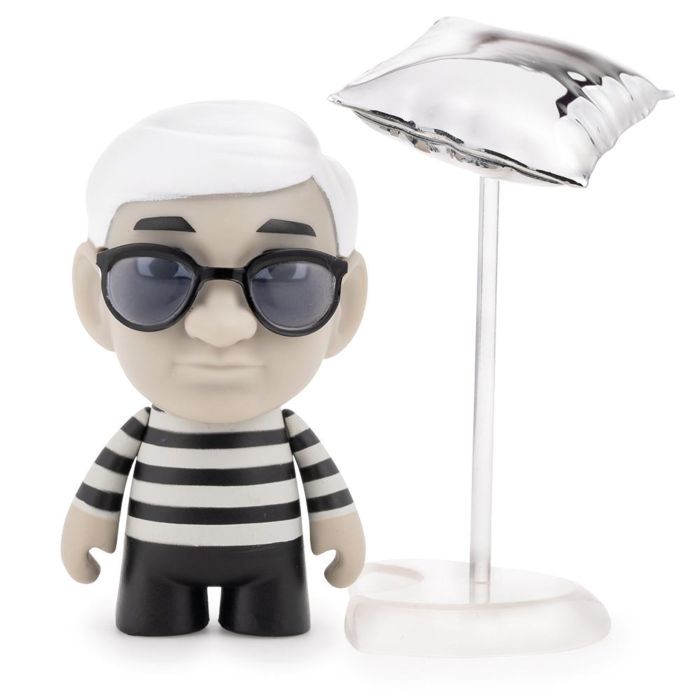
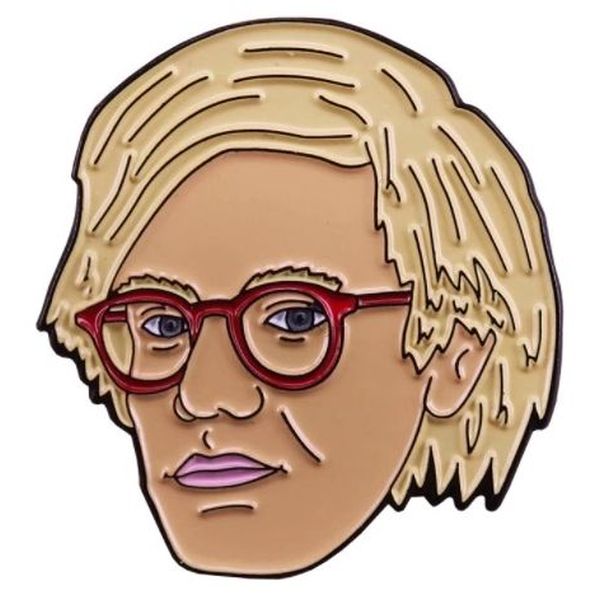
Three of our favourite things from pop culture website, the boldly named Stupid Krap
Rate this:
#andyWarhol #creamMagazine #popArt #popCulture #popCultureMagazines


Where have all the good songs gone? A critique on the sad postmodern state of contemporary pop music
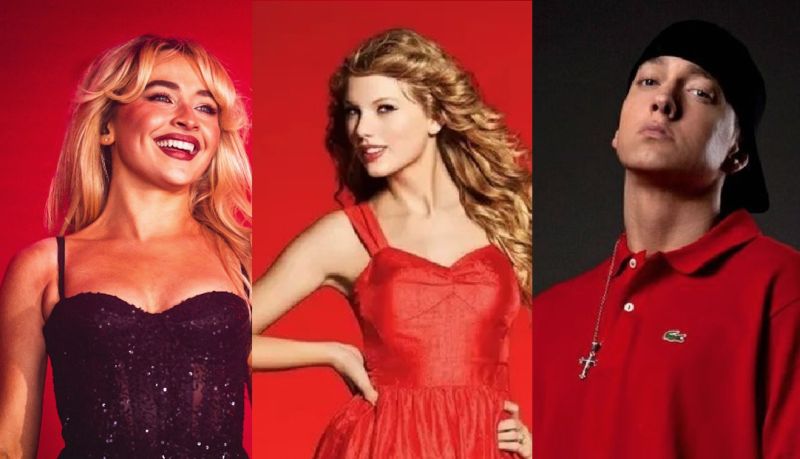
Despite some great, hospitable times had working within the music industry, I see the insidiousness of much of it more clearly now, especially all the mental and physical abuse that ran, and still runs, rampant within its ranks. I used to sense it amid whispers along company corridors when I worked full-time in music journalism.
We’re all familiar with the high levels of corruption in the industry so far as record-selling goes, and we’re becoming more and more enlightened over the once-hidden stories of abuse of artists, but covert corruption extends beyond the A&R and financial sides of the music business, now flooding into the creative arena.
Creativity in music, so far as I can hear, has gone the absolute way of commercial and, for the most part, disposable. In fact, most songs that are passing themselves off as real music today teeter on the border of being just plain crass.
Everything is rehashed, the wrong people are being rewarded, and credibility now comes in the form of an electronically-effected (basic) vocal, a throw-it-and-if-it-sticks attitude, and a set of marketable tits (be it those of Sabrina Carpenter, or – ooooof – Sam Smith. The songs? Well, they’re only secondary to the main aim of making money real fast, meaning much more borrowing of yesterday’s audio arsenal, and more slap-dash delivery via inferior electronic means.
Pop music, while still a great release for many, is now almost utterly void of originality. No longer simply sampling or interpolating better bits of the past for the assumed reason that it is running out of ideas (it’s not). Sure, there are many excellent fledgling artists aching to be heard but hardly given the chance – with focus instead on the Insta-moneybringers.

New pop darling, Sabrina Carpenter, not only borrows her aesthetic from pop pin-ups of the past – from Marilyn Monroe to Italian PM Ciccionlina – her music consists primarily of beats, riffs and lyrics from songs of the past. Her biggest hit Espresso uses a splice loop by an artist named Oliver, while her song Please, Please, Please samples Pink Floyd’s infamous hit Another Brick in the Wall. Heck, her song Slim Pickins goes so far as to sample the notification sound from gay hook-up app, Grindr, no doubt picked up quickly by her ardent queer following.

For the most part, pop is on a course to devouring itself through greed, with record companies buying up as much of the music and lyrics as they can, cramming these into AI software, and unleashing the artificial output onto the masses like swathes of anaesthetising, mind-numbing medication – mass audiences more than happy to swallow the mundanity whole.
Modern-day listeners of mass-distributed music don’t even recognise the spell that they’re under. Or maybe they’re just better at this Matrix stuff than I am. But it’s a fair call to say that listening to pop songs today is like hearing an audiobook from the military on ‘How to Kill Your Independent Thinking in Under Two Minutes’. You hear the hum-drum marching over the airwaves of commercial radio, while community stations play all the talent, with a fraction of the exposure and less than that of the takings. Community radio-played artists truly do warrant more of all of our attention but rarely receive it.

Back to sounds from the other side, the big record companies have bought up a heck of a lot of music copyright lately, seemingly with the aim of having near-to-total control of the archives of music so that it can bastardise it to full effect in the name of profit and power (real artists, take heed). It has been sampling from the libraries of audio for years but only recently has it realised: why take a snippet of the great sounds when you can buy the entire digitised cash cow?
Just listen to the songs being played on commercial hits radio today, where a huge majority of them sound familiar simply because the artists and ‘creators’ are ripping off songs of yesteryear – and rarely in a good way.
The original artists are often not even paid because, that’s right, the record companies own a lot of the copyright now. All it takes is a little manipulation with editing suites like Ableton or Audition – et voila! – tons of ‘new’ tunes for the sedated listeners to download by the algo-load. The poaching and pillaging are everywhere. I should know, I like to create sample-laden dance tracks myself as a hobby, never making money from my art but occasionally gifted by The Piper with a solitary Like or a go-ahead sample clearance on YouTube. It’s a beautiful thing when a band like U2 or Sparks or Soulwax grant you permission to use their music to your selected visuals. These are the gods of the gift of music. One day, hopefully, one of their riffs or catchy lyrics will coax us out of senility. But to the brain damage of the here and now, I’m going to list a few modern megahits and their backstory here:
Taylor Swift’s penwomanship is impeccable and songs like Blank Space, Shake It Off and Look What You Made Me Do stand as some of the greatest pop songs made. I had no idea until now that the latter track used Right Said Fred’s novelty song I’m Too Sexy as the basis for its beats and melody. The song’s lyrics page (on Genius and Lyrics.com) now contains the rightly due credits to Fred and Richard Fairbrass, the brothers who wrote I’m Too Sexy, but that was only after legal intervention. Still, other artists who can barely afford a copyright lawyer, least of all a bad-habit limo life like Ed Sheeran’s, aren’t as fortunate in seeing such due credit.
Whoever wrote Swift’s 2025 single ‘The Fate of Ophelia’, it seems they’ve been listening to lots of Lana Del Ray, and the video – while an absolute masterclass in music clip making – has old Hollywood to thank for all its big-production-number ideas.

The megahit factory continues: Dua Lipa, whose music I’ve often listened to and loved (Levitation with Madonna is truly next-level artistic genius) has more recently left a few musicians out of work or underpaid. Her song Break My Heart features obvious interpolations of INXS’s Need You Tonight, while her single Prisoner is a lo-fi simulacrum of KISS’s I Was Made for Loving You, with its chorus a diluted version of Olivia Newton-John’s Physical.
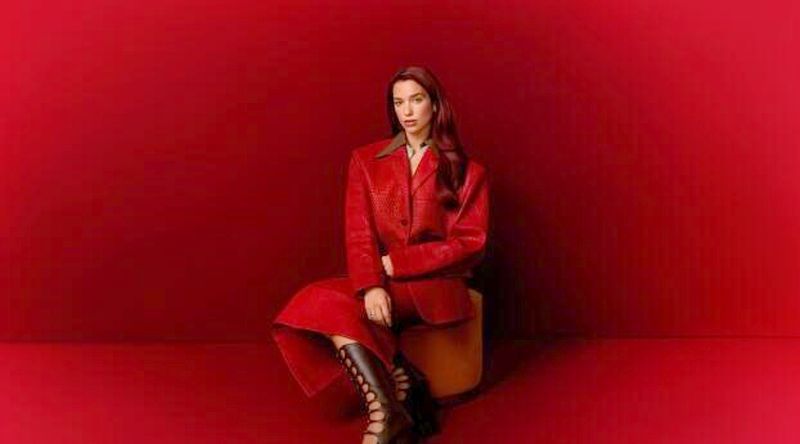
Dua Lipa: ‘borrowing’ a heck of a lot of music from the past to ‘create’ her contemporary hits.
The DJs-turned-producers are also selling out, with David Guetta pushing Bebe Rexha up front to sing I’m Good, which heavily samples the 1998 club track Blue, turning an annoying song into something even more maddening. Even Eminem appears to have lost all originality (not that he had much to begin with). His single Houdini is catchy enough, but all the best bits are owed to Steve Miller Band’s Abracadabra. I could go on for pages, but I won’t bore you – the music should be doing a good enough job of that already.
The new dirty word on the pop music scene is ‘interpolation’, which is basically an artist taking a melody from a formerly great song, recording a watered-down version of it, then singing new words over the top of it. It’s a far cheaper option than having to pay and get permission to use the actual source from the original artist.
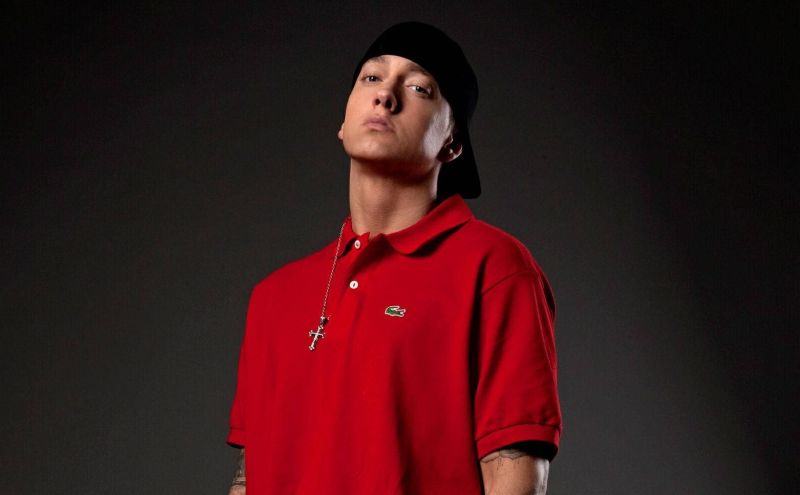
Eminem is renowned for interpolating or sampling hits of yesteryear and weaving them into his rap tracks.
At university in 1990, I enrolled in an honours degree and was set to write a thesis that would observe the postmodern state of the music scene. I hypothesised that within three decades’ time, a huge portion of the pop charts would consist of cover songs and music sampled from the past as their basis. I never got to complete that thesis due to having a car accident part way through the course. Little did I realise then that my theory would leak into the film and gaming industries, too, with production companies now wishing to sample the voices of actors so that they can hold them forever in their treasure troves of copyright ownership. Again, it means more money for the shady captains of industry and far less for the artists themselves. It also could lead to the ultimate killing off of art, turning it into a fully capitalised venture.

Keanu Reeves loans his voice (for a price, of course) to that of main character Johnny Silverhand in the video game ‘Cyberpunk 2077’. By that actual year, his voice will certainly be owned by game creators and film makers.
I’d like to consider this article a mini finished version of that thesis I began some 30 years ago. I was entering the media force around that time, too, and I’ve seen it survive through all the ups and downs, the explosions of new technologies, the downfall of industry big-wigs, and the survival of many who have been in it for the right reasons.

While referentialism is currently rampant, I believe music will never die. In its truest form it is manna from the heavens, delivered through dedicated conduits and arriving at just the right time when we need it. It might be a cherished song that’s suddenly playing on the radio when you need that perfect slice of ear-candy to cheer you up, or an earworm of a lyric that weaves through your mind, providing a word of caution or advice, instruction, or just a nice smile from its glorious melody.
Great music is also strong enough to rise above all the shoddy reiterations and bastardisations we’re hearing today, hopefully making its way back to the top shelves due diligence sometime in the near future. And if the radio DJs and Spotify curators don’t play the good songs for us, we’ll just have to rummage through record stores again to score the genuine quality product.
This article features in edited form in the new book Conversations with Culture Icons by Cream’s editor, Antonino Tati. The book is available in e-format, paperback and hardcover.


Rate this:
#antoninoTati #bestPowerPopSongs #contemporaryMusic #conversationsWithCultureIcons #creamMagazine #critiquingPopMusic #duaLipa #eminem #modernMusic #popCulture #popMusic #popMusicToday #popularSongsOf2024 #popularSongsOf2025 #powerPopToday #sabrinaCarpenter #sampling #samplingInModernMusic #taylorSwift #theArtOfSampling

Discover more from
Subscribe to get the latest posts sent to your email.

Leave a Reply