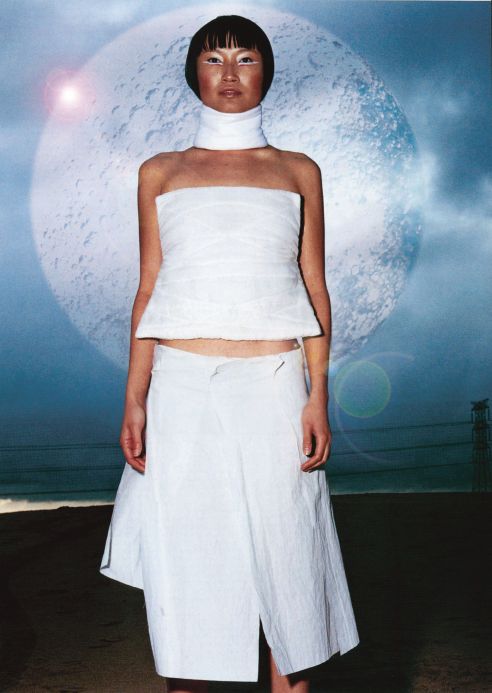
↑ Samantha Harris wears Nicola Finetti; photography by Helen White (Cream, Issue 43).
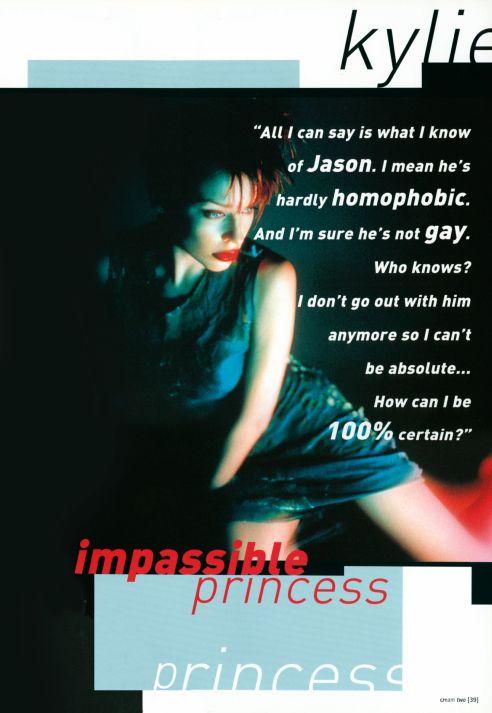
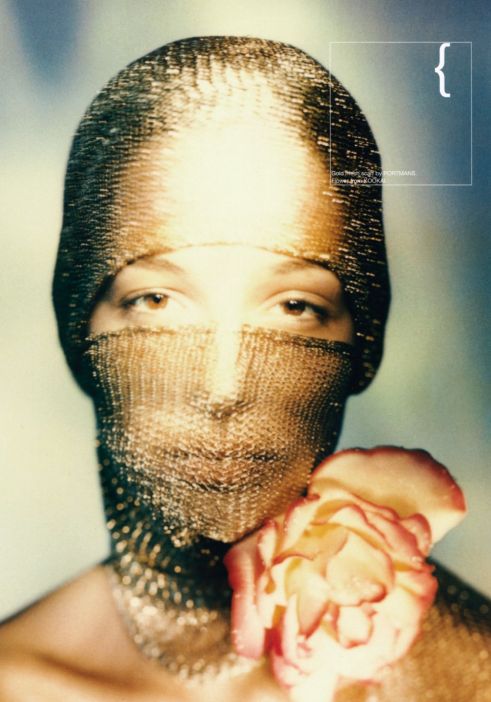
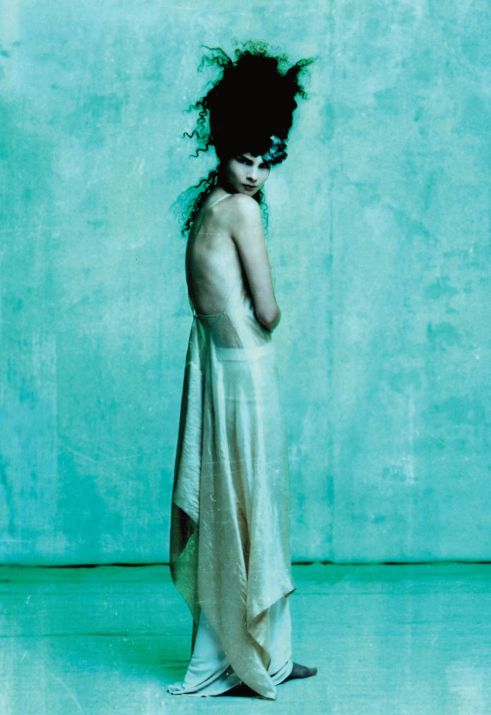
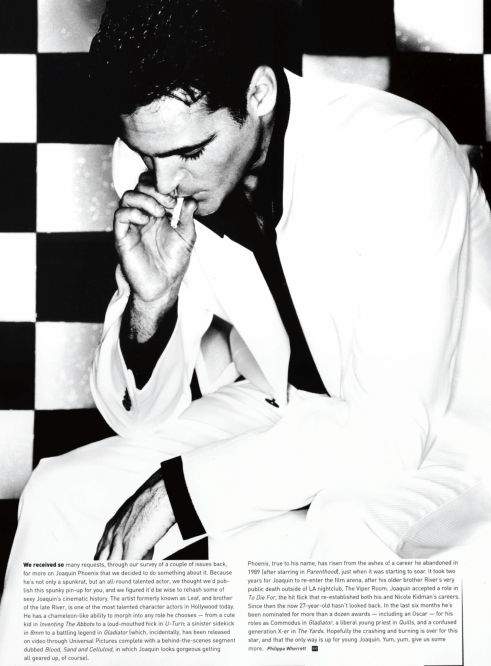
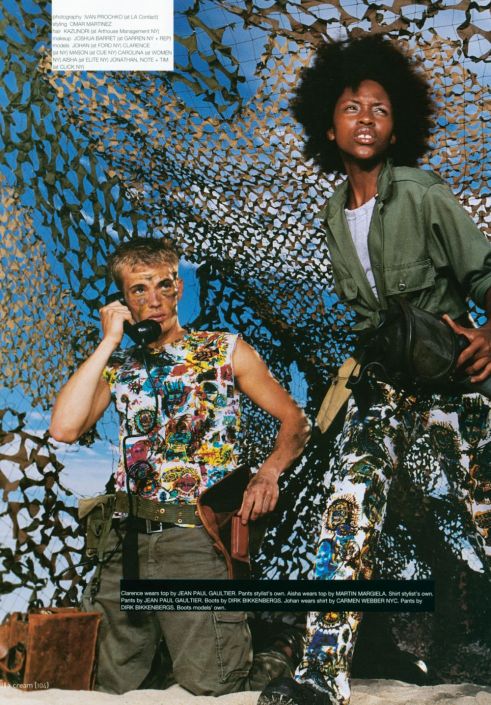
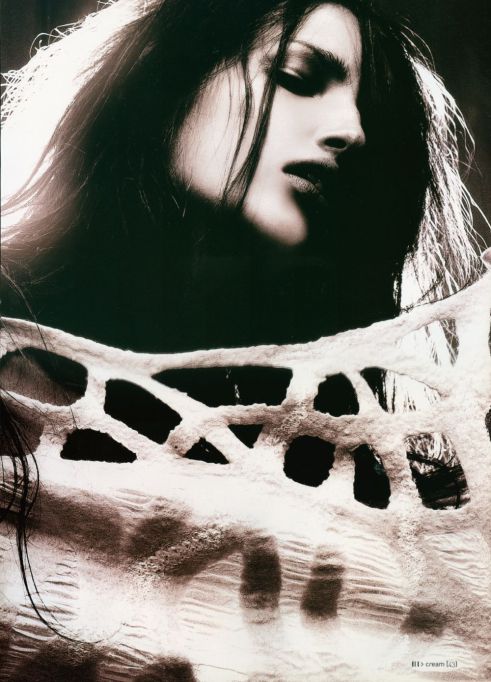
It’s normal these days to see models of various ethnicities grace the covers of Vogue and Marie Claire, but just a quarter of a century ago diversity in fashion was virtually unheard of – that is until the likes of oyster, cream and (not only) black & white came along. Not only were the magazines aesthetically akin (each larger than your average A4; keeping the first letter of their mastheads in lowercase), they each presented fashion for a variety of micro-markets – not just a mass market of keeper-upperers.
The fashion pages of these titles always welcomed models of various cultures and nationalities, throwing racial conservatism out the proverbial window.
Helping kickstart the careers of strong, beautiful women such as Papua New Guinea-born Erika Heynatz, African muse Akoul, and Aboriginal-German model Samantha Harris, diversity was not only celebrated in Cream, a certain uniqueness was mandatory if a model were to make it onto these pages.
Enjoy a gallery of fashion in all its inclusive glory. One thing’s certain about the looks: most of them are fairly timeless.
Images curated by Antonino Tati
Art direction by Sylvia Weimer
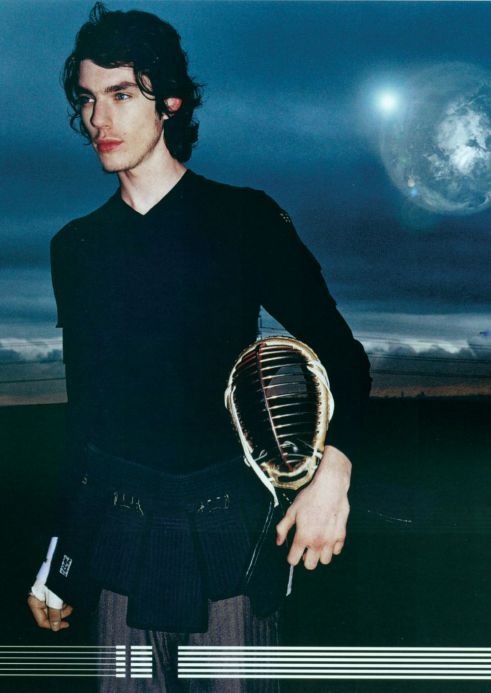
↑ Kaia wears Akira; photography by Helen White (Issue 01).
↑ Fashion story ‘Swarm’; photography by David Sterry (Issue 03).
↑ Wendy Matthews wears Akira; (photography by Helen White (Issue 03).
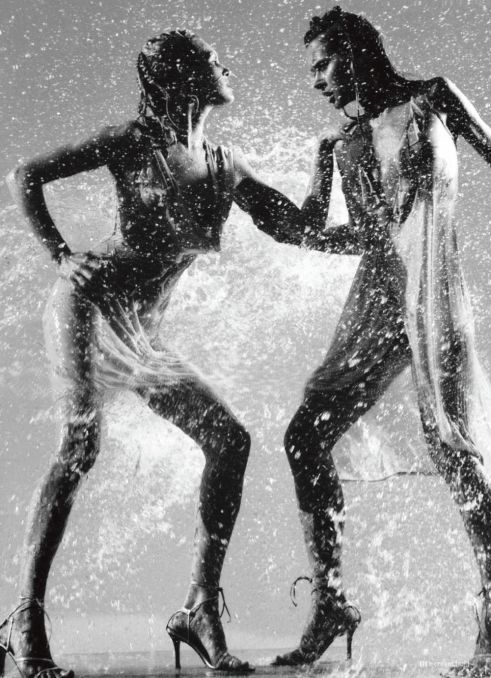
↑↓ Fashion story ‘Dem Blues’; photography by Romello Pereira (Issue 08).
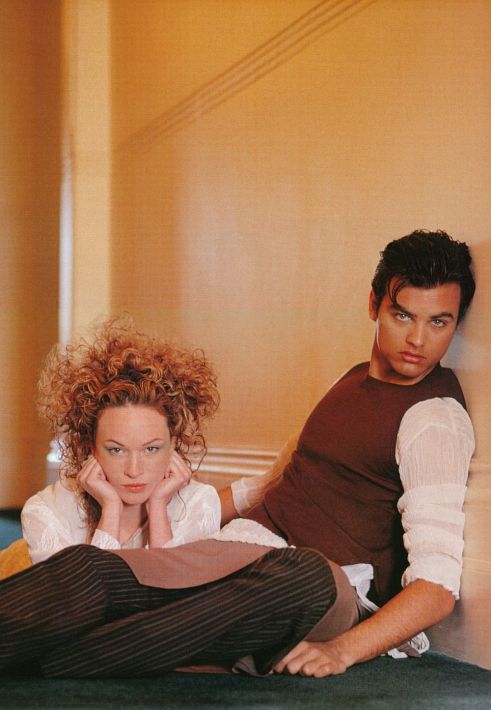
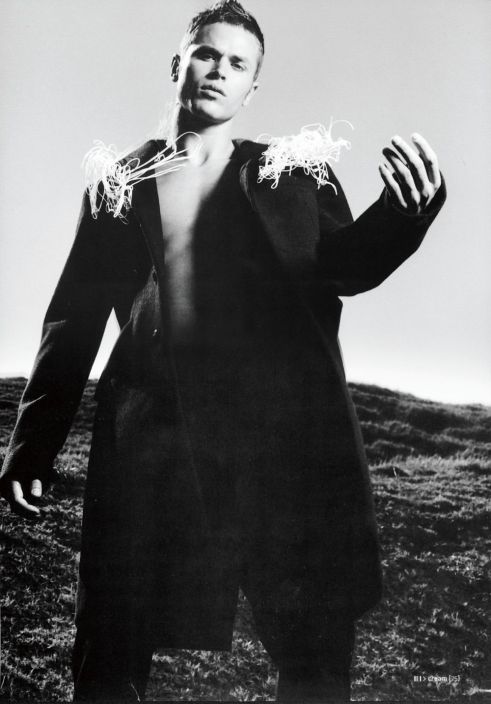
↑ Rebecca & Christian wear Zambesi & Nicola Finetti; photography by Helen White (Issue 02).
The designs of Vivienne Westwood and Rei Kawakubo set to take over NGV from December
The National Gallery of Victoria is set to overflow with avant style this December when it presents two of the world’s greatest design icons in the one exhibition.
NGV’s world-premiere summer blockbuster exhibition will see the works of British designer Vivienne Westwood (1941 – 2022) and Japanese designer Rei Kawakubo (b. 1942) of Comme des Garçons fame peppered throughout the gallery.
Born a year apart in different countries and cultural contexts, each designer brought a rule-breaking radicalism to fashion that subverted the status quo not only in their respective nations but across the world. Today, their critically acclaimed collections are celebrated globally for having questioned conventions of taste, gender and beauty, as well as challenging the very form and function of clothing.
Through a showstopping display of more than 140 innovative and ground-breaking designs, Westwood | Kawakubo willexplore the convergences and divergences between these two self-taught rebels of the fashion universe.
Included will be loans from international museums and private collections – including London’s The Victoria & Albert Museum, New York’s Metropolitan Museum, Paris’ Palais Galliera, and the Vivienne Westwood archive – alongside 100-plus outstanding works from the NGV Collection.
Presented thematically, Westwood | Kawakubo will chart each iconic designer’s practices – from the mid-1970s to the present day – inviting audiences to consider the multiple ways that Westwood and Kawakubo have each rewritten fashion conventions and codes over the course of their careers. These include: the impact and influence of the punk zeitgeist of the 1970s; the reinterpretation and reinvention of historical fashion references; their experimental design methodologies and the interrogation of gender and the idealised body. Alongside fashion, the exhibition also features archival materials, photography, film and runway footage, offering audiences a deep insight into the minds and creative processes of these two legends of contemporary fashion.
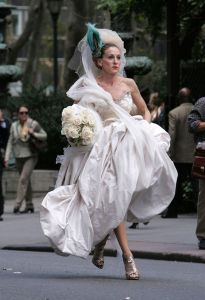
Exhibition highlights include Westwood’s iconic punk ensembles from the late ’70s, popularised by London bands such as The Sex Pistols and Siousie Sioux; the Mac Andreas tartan gown from Westwood’s Anglomania collection (A/W 1993-94), famously worn by Kate Moss on the runway; and the original version of the corseted Wedding dress first shown in the Wake Up, Cave Girl A/W 2007-08 collection and later worn by Sarah Jessica Parker in Sex and The City: The Movie.
In 2017, The Met in New York staged the exhibition, Rei Kawakubo / Comme des Garçon: The Art of the In-Between, which opened with the pop culture phenomenon the Met Gala. The NGV exhibition features a version of the sculptural petal ensemble worn by Rihanna on the red carpet, as well as key designs from collections of those worn by Lady Gaga and Tracee Ellis Ross. Also on display are dramatic abstract works spanning the recent decades which challenge the relationship between the body and clothing.
Says the Minister for Tourism, Sport and Major Events Steve Dimopoulos: “[This] exhibition is one of the most anticipated events on the Gallery’s calendar of year-round programming and it highlights the incredible appetite for cultural experiences over the summer period among both Victorians and visitors alike.”
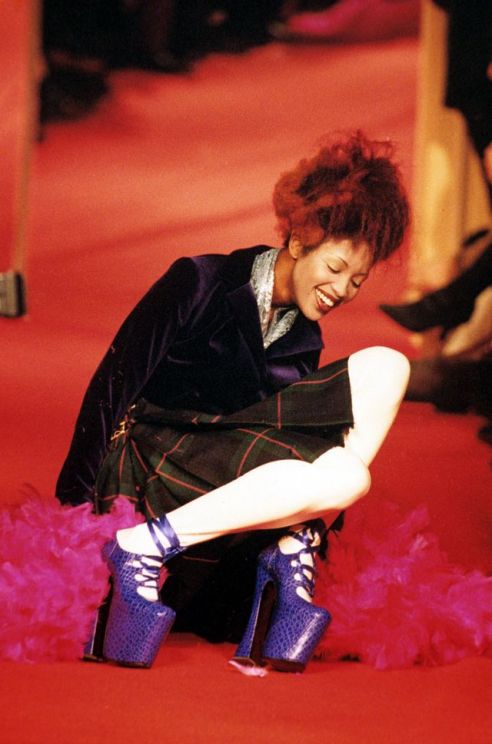
Lest we forget Naomi Campbell’s grand stacking-it-on-the-runway moment for Westwood during the designer’s ‘Anglomania’ show of 1993.
Adds Tony Ellwood, Director of the NGV: “Westwood | Kawakubo invites audiences to reflect on the enduring legacies of these ground-breaking designers and contemplate the ways in which fashion can be a vehicle for self-expression and freedom.”
See how the best expressed themselves at the NGV this summer.
Westwood | Kawakubo will be on at the National Gallery of Victoria, 180 St Kilda Road, Melbourne, from 7 December 2025 – 19 April 2026. Tickets will be available through ngv.vic.gov.au.










 Presented thematically, Westwood | Kawakubo will chart each iconic designer’s practices – from the mid-1970s to the present day – inviting audiences to consider the multiple ways that Westwood and Kawakubo have each rewritten fashion conventions and codes over the course of their careers. These include: the impact and influence of the punk zeitgeist of the 1970s; the reinterpretation and reinvention of historical fashion references; their experimental design methodologies and the interrogation of gender and the idealised body. Alongside fashion, the exhibition also features archival materials, photography, film and runway footage, offering audiences a deep insight into the minds and creative processes of these two legends of contemporary fashion.
 In 2017, The Met in New York staged the exhibition, Rei Kawakubo / Comme des Garçon: The Art of the In-Between, which opened with the pop culture phenomenon the Met Gala. The NGV exhibition features a version of the sculptural petal ensemble worn by Rihanna on the red carpet, as well as key designs from collections of those worn by Lady Gaga and Tracee Ellis Ross. Also on display are dramatic abstract works spanning the recent decades which challenge the relationship between the body and clothing.