
Been There, Read That: The 20 Most Written-About European Cities in Fictional Literature
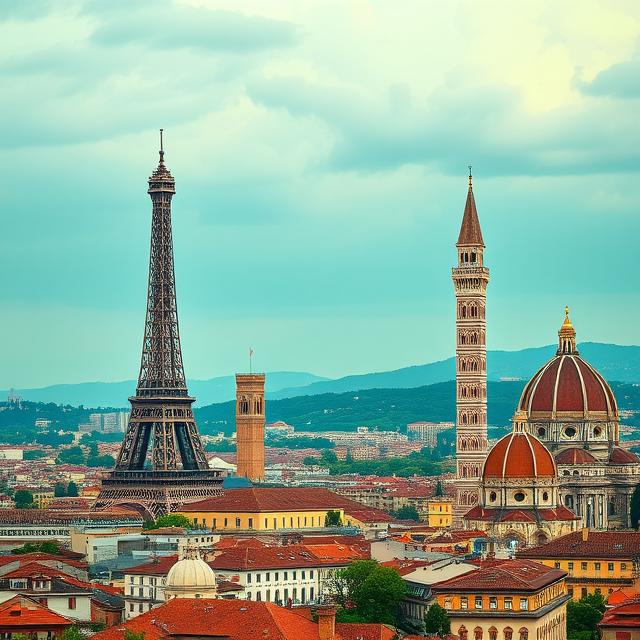
Just in case you’re wondering, this is how AI sees the top 20 list as one city. Of course we’ve only used real photos in our article, below.
From Dickens’ foggy London streets to Hemingway’s Parisian cafés, Europe’s cities have long captured the imagination of writers and readers alike. Today, these storied settings have become real-life destinations for world travellers, eager to walk the same paths as their favourite fictional characters.
Printing experts at Aura Print analysed over 25 million works in the Google Books archive, tracking mentions of European cities between 1920 and 2019 to reveal the 20 most written-about literary destinations. Their findings highlight the cities that have most inspired writers over the past century. For the full top 20 list, scroll down to end bottom of this article.
London dominates the literary landscape, appearing an extraordinary 286 million times—nearly three times more than any other city.
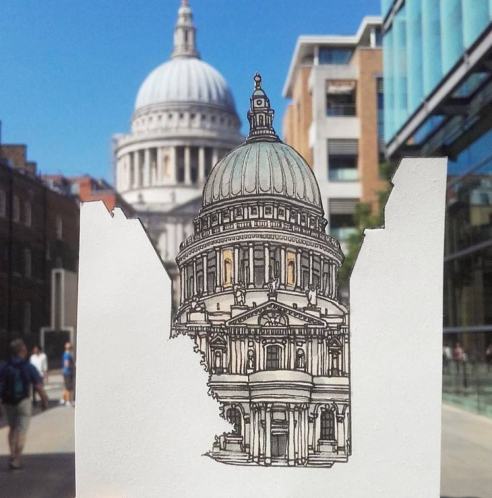
The British capital’s rich history, diverse characters and atmospheric charm have made it an enduring setting for novelists across generations. From Charles Dickens’ Bleak House to Arthur Conan Doyle’s Sherlock Holmes mysteries, London’s streets have served as both inspiration and backdrop for countless classics. Dickens himself described the city as his “magic lantern” – ie: illuminating his imagination.
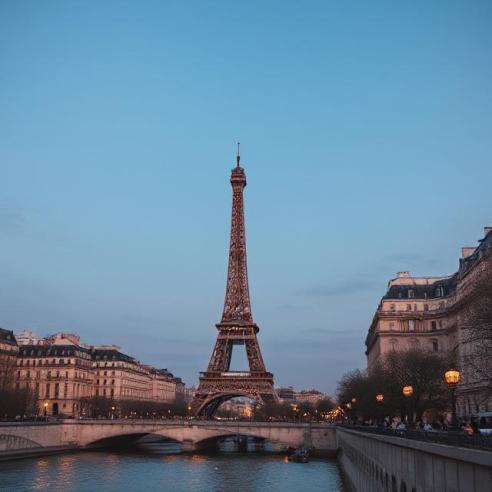
In second place is Paris, with 95.3 million mentions—about 636% more than Amsterdam, which ranks ninth. Romantic, artistic, and philosophical, Paris has fascinated writers from Ernest Hemingway to Paula McLain, and of course the likes of Oscar Wilde (who died there) and Victor Hugo (who was born there). Whether capturing the bohemian cafés of Montparnasse or the quiet melancholy of its own streets, Paris remains a symbol of beauty, passion, rusticity and reinvention.
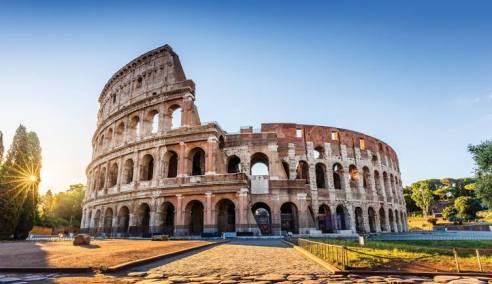
Claiming third is Rome, the Eternal City, with 48.8 million mentions. Its layers of ancient grandeur and contemporary life provide fertile ground for storytellers. Rome surpasses its Italian counterparts—Florence, Venice, and Milan—by a significant margin, amassing roughly 74% more literary attention on average.
Writers have long been drawn to Rome’s contrasts: the ruins of empire, the echoes of saints, and the modern rhythm of daily life. On that note, for the full tourist experience, enjoy a coffee anywhere along Via Veneto and contemplate the history that would have taken place here over decades, centuries, millennia.
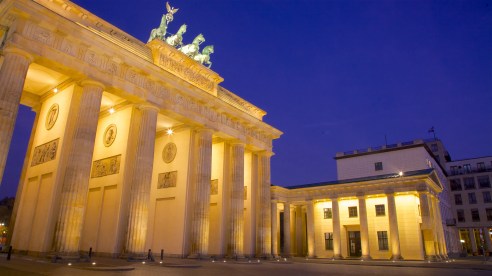
Berlin, ranking fourth with 37 million mentions, stands as one of Europe’s most evocative and complex cities. Its turbulent 20th-century history—marked by war, division, and reunification—has made it a powerful backdrop for historical fiction and political thrillers. Authors have explored its shadows and transformations, from Weimar decadence to Cold War tension.
In fifth place, Florence earns 19.4 million mentions. Celebrated as the cradle of the Renaissance, it continues to inspire tales of art, love, and discovery. From E.M. Forster’s genteel A Room with a View to Dan Brown’s fast-paced Inferno, Florence’s rich cultural heritage and scenic beauty have kept it at the heart of literary imagination.
Notable Mentions
Beyond the top five, the study reveals a constellation of literary hotspots. Vienna (6th) and Athens (7th) reflect enduring fascinations with culture, philosophy, and empire. Dublin (8th), immortalized by James Joyce, remains synonymous with modernist experimentation. Amsterdam (9th) and Brussels (10th) round out the top ten, each celebrated for their charm and layered histories.
Other cities frequently appearing in literature include Venice, Madrid, Stockholm, Warsaw, Munich, Milan, and Prague—all serving as evocative stages for stories exploring identity, politics, and romance across the 20th century.
The Decades That Defined Literary Europe
Forget Hollywood farces of the late 20th century, especially those that bounced from literature to cinema as if predestined to, eg: The DaVinci Code and its overpolished presentation of Euro capitals. The early Noughties were certainly not the era of European cities featured in popular culture. In film maybe (hello, Mr Ripley) but not in literature.
 Pre-1990s, different cities peaked in different decades, reflecting historical and cultural trends. Paris, Rome and Florence thrived in the 1920s, when artistic revolutions and postwar exploration fueled literary creativity. Berlin surged in the 1940s, echoing the turmoil of war. Vienna and Stockholm gained prominence in the 1980s, while Amsterdam and Madrid rose in the 1990s as contemporary European settings became more diverse in global fiction.
A Century of Inspiration
The data paints a vivid portrait of Europe as a living library—its streets, monuments, and people woven into stories that continue to define global culture. Whether through Dickens’ London fog or Hemingway’s Parisian dawn, these cities endure as both real places and symbols of imagination.
|
Rank |
European City |
Most popular decade |
Total occurrences in books (1920-2019) |
|
1 |
London |
1960s |
286,675,501 |
|
2 |
Paris |
1920s |
95,290,475 |
|
3 |
Rome |
1920s |
48,840,949 |
|
4 |
Berlin |
1940s |
37,079,709 |
|
5 |
Florence |
1920s |
19,414,470 |
|
6 |
Vienna |
1980s |
18,995,437 |
|
7 |
Athens |
1960s |
15,118,606 |
|
8 |
Dublin |
1920s |
15,021,998 |
|
9 |
Amsterdam |
1990s |
12,868,807 |
|
10 |
Brussels |
1990s |
10,949,717 |
|
11 |
Venice |
1920s |
10,237,695 |
|
12 |
Madrid |
1990s |
9,883,636 |
|
13 |
Stockholm |
1980s |
8,813,100 |
|
14 |
Warsaw |
1980s |
8,054,316 |
|
15 |
Munich |
1990s |
8,025,343 |
|
16 |
Milan |
1960s |
7,917,978 |
|
17 |
Copenhagen |
1950s |
7,317,785 |
|
18 |
Prague |
1960s |
6,702,244 |
|
19 |
Porto |
1920s |
6,604,087 |
|
20 |
Belfast |
1920s |
6,140,005 |


Collectorzone is hosting another collectibles and hobbies fair this month and we’re already there

Discover more from
Subscribe to get the latest posts sent to your email.
