
The Hidden Art of Infrastructure in Modern Homes
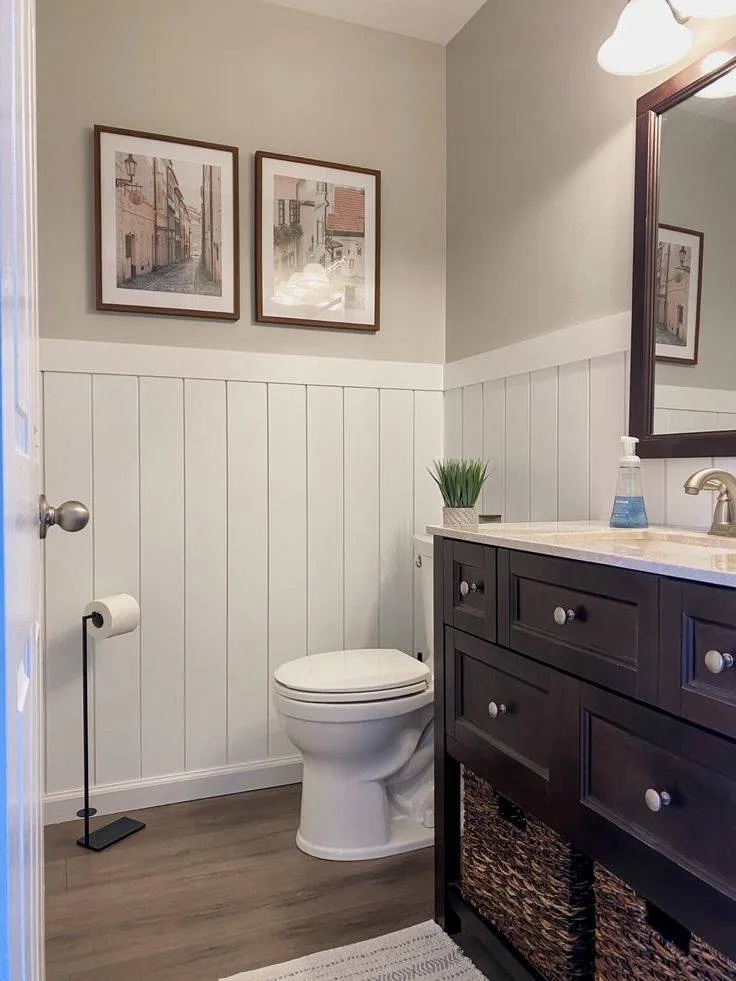
The plumbing structure, in particular, represents one of the most important yet overlooked aspects of residential design. These hidden arteries carry water throughout our living spaces, enabling everything from morning showers to dinner preparations, and shape interior architecture in ways that are rarely visible.
Orlando homes often show the effects of aging infrastructure to those who know where to look. Many properties built in the 1970s or earlier often retain their original materials. These systems typically provide consistent service for decades, though longevity varies based on installation quality and water conditions.
Age-related problems become visible through specific warning signs such as discolored water, reduced pressure at taps, and leaks around joints. When these symptoms occur, it signals that internal surfaces may have corroded or developed buildup over time. Consulting local experts familiar with Orlando’s construction history can help homeowners determine if their property needs attention.
Knowing when and why homes need complete system renewal has become a key consideration for homeowners seeking to maintain property value and avoid expensive emergencies. The decision to upgrade this hidden network involves navigating material selection, code compliance, and finding qualified professionals who understand the specific needs of Central Florida properties.
Behind the Walls of Modern Home Design
The visible finish of a home depends on the quality of its plumbing infrastructure. Stylish fixtures, custom tiling, and elegant fittings only work as intended when supported by well-installed, reliable systems.
Careful selection of materials and attention to installation standards shape daily living conditions after renovations conclude. Incorrect routing can compromise water flow to a new designer tap, while unsuited materials may silently cause leaks when plumbing is an afterthought in design.
Reducing risks involves following local building codes, choosing proven materials, and using a detailed process. This includes system mapping, isolating each section, strategic replacement, and pressure testing before walls close.
Relying on skilled professionals for the renewal process helps prevent issues such as mismatched fittings or failure to flush newly installed systems.
Home infrastructure has changed dramatically over the decades. Early 20th-century homes featured materials now known to cause health concerns and corrosion issues. During the 1960s, copper became the standard in residential plumbing, while the late 20th century saw the introduction of various plastics.
Today, home buyers and inspectors pay closer attention to these hidden systems than ever before. Common home inspections frequently reveal plumbing issues among the most frequent problems encountered during purchases. A home with outdated or failing plumbing can lose value or even fail to sell.
When Old Pipes Threaten Modern Living
The warning signs of aging plumbing often start subtly. Water pressure may gradually decrease over months or years.
Fixtures sometimes develop small leaks that seem minor but indicate bigger problems within the walls.
Galvanized steel is generally considered to last for several decades, copper can serve for many years, and modern PEX is also known for its durability. Across Orlando, homes constructed in the 1970s or earlier commonly contain older materials.
Signs such as repeated leaks, a history of repairs, reduced water flow, or visible corrosion near joints all suggest that systems have aged beyond their best performance window. A visual inspection, along with an assessment by repipe plumbers in Orlando, can help determine whether full renewal is necessary.
Deteriorating systems affect more than just convenience. They can introduce contaminants into drinking water, particularly in older homes. Corrosion restricts water flow, causing pressure problems throughout the house.
The financial impact of ignoring plumbing problems adds up over time. What may begin as a simple repair can lead to extensive water damage if left unaddressed.
The Modern Approach to Home Repiping
Repiping technology has improved greatly in recent years. Modern methods use strategic access points and specialized tools to minimize damage. These techniques completely renew a home’s plumbing system with less disruption than traditional approaches.
Modern plumbers now favor materials that balance durability, water quality, and installation efficiency. Cross-linked polyethylene (PEX) has become particularly popular for residential repiping. This flexible plastic material resists corrosion, scale buildup, and freezing.
The whole-home repiping process usually begins with a detailed assessment of the existing system. Professionals map out locations, identify the best access points, and create a plan that keeps wall openings to a minimum. Small, strategic holes allow technicians to disconnect old sections and pull new lines through the same spaces.
Finding qualified professionals for this specialized work is extremely important. Local know-how is especially helpful, as Orlando’s unique water conditions and building codes require specific knowledge.
Infrastructure as an Investment in Home Value
Upgrading plumbing systems can play a role in the overall impression a property makes during appraisals and inspections. Visible improvements may provide reassurance about the property’s condition and help reduce concerns during the sales process, especially when sellers know how to highlight the home’s strengths to boost interest.
Although local examples and pricing impacts vary, properly recorded plumbing improvements make transactions easier when buyers are considering older homes. The return on investment for infrastructure upgrades relates directly to risk reduction and future savings.
Addressing plumbing issues quickly can help prevent future water damage and maintain buyer confidence.
Financial, Efficiency, and Environmental Gains
Modern plumbing systems can provide water efficiency benefits that last beyond initial installation. The U.S. plumbing sector remains robust, and upgrading to new systems with smoother internal surfaces may help reduce energy usage.
Replacing sections of corroded material with modern alternatives during routine repairs can immediately improve water pressure and efficiency. Simple methods to stop pipe corrosion can also prevent future issues, while EPA WaterSense-certified fixtures help reduce both water use and long-term utility costs.
Insurance considerations provide another financial incentive for plumbing upgrades. Many insurance companies may offer premium discounts when a licensed plumber replaces outdated systems with modern materials. This can help reduce the risk of leaks and water damage.
Beyond direct financial benefits, infrastructure improvements align with sustainable home design principles. Efficient plumbing reduces water waste and energy consumption. It also helps avoid the environmental impacts of water damage remediation.
Behind every polished surface lies a plumbing system that defines how a home functions. Modernizing outdated infrastructure not only protects property value and prevents costly damage but also supports health, efficiency, and sustainability. Investing in professional repiping is more than a technical fix, it’s a long-term decision that shapes daily comfort and future peace of mind.
Discover more from
Subscribe to get the latest posts sent to your email.

Leave a Reply