
Understanding Luxury Watches as Alternative Investments
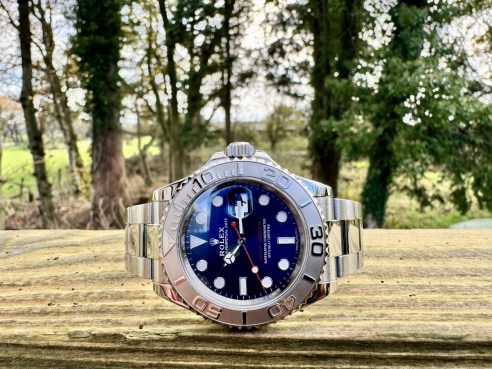
In an era marked by market volatility and economic uncertainty, sophisticated investors are increasingly turning to tangible assets that combine aesthetic pleasure with financial potential. Luxury watches have emerged as one of the most compelling alternative investment categories, offering returns that rival traditional asset classes whilst providing the unique satisfaction of wearing your investment. With the global luxury watch market reaching approximately $72 billion in 2025, these timepieces represent more than status symbols—they’re legitimate stores of value that can appreciate significantly over time.
The Foundation of Watch Investment Value
Unlike stocks that exist only on paper or digital currency with no physical form, luxury watches offer tangible beauty, mechanical artistry, and prestige rooted in centuries of horological tradition. This combination creates a unique investment proposition that appeals to both collectors and financial strategists.
Scarcity Drives Demand
Manufacturers like Patek Philippe and Rolex deliberately limit production, creating exclusivity that elevates demand. Controlled distribution ensures secondary market prices consistently exceed supply, particularly for sought-after models. Strategic scarcity isn’t accidental—it’s a carefully maintained market position that protects value across economic cycles.
Brand Heritage and Reputation
Manufacturers with proven track records spanning decades or centuries command collector confidence. A 185-year legacy of innovation provides credibility that underpins sustained interest. When evaluating whether are Rolex watches a good investment, one must consider the brand’s century-plus reputation for precision and controlled market strategy, which has resulted in remarkable price appreciation—some data shows increases exceeding 550% from 2010 to 2025.
Condition and Provenance
Pristine timepieces with original documentation command premiums of 20-30% above pieces without complete provenance. Collectors emphasise authenticity and completeness, making “full set” watches—those with original box, papers, and warranty cards—significantly more valuable. Any modifications or replaced components decrease value substantially.
Market Performance and Returns
Recent analysis reveals luxury watches have outperformed several traditional asset classes with remarkable consistency. Whilst returns are generally lower than equities, volatility is significantly reduced, making watches attractive for portfolio diversification.
Documented Appreciation
Specific models have demonstrated exceptional growth. The GMT-Master II achieved 506% appreciation from 2010 to 2025, transforming from accessible timepieces to significant investments. The Daytona followed with 358% appreciation over the same period, rising from approximately £6,500 to nearly £30,000.
Even conservative dress watches showed substantial returns. The Datejust collection experienced 320% appreciation over 15 years, demonstrating that investment potential extends beyond sports models into elegant complications.
Market Correction and Stabilisation
Following unprecedented growth during the pandemic era, the market experienced a necessary correction. The Bloomberg Subial Market Index, tracking the 50 most-traded luxury watches, declined 48% from peak to trough over 24 months. However, between February 2023 and February 2025, losses moderated to approximately 7%, suggesting the market has stabilised.
This correction eliminated speculative excess whilst preserving long-term value for quality pieces. Collectors with proper research and patience weathered the adjustment, emerging with portfolios positioned for sustained growth.
Key Models Worth Considering
Whilst brand recognition matters, specific references determine investment success. A particular model number can mean the difference between £10,000 and £100,000 in value.
Professional Sports Models
The Submariner remains remarkably consistent, offering steady appreciation of 4-7% annually across various references. Its robust construction, timeless design, and universal appeal ensure continued demand. The GMT-Master II, particularly “Pepsi” and “Batman” variants, demonstrates value retention exceeding 70% from release—far above the industry average.
Complications and Dress Watches
The Nautilus 5711A trades at 6-8 times original retail pricing, driven by discontinued status and collector obsession. Similarly, certain Datejust configurations with unique dials or precious metal accents command substantial premiums, offering stable long-term growth.
Limited Production Pieces
Watches produced in small quantities or with brief production windows often appreciate most dramatically. Discontinued references with acquired tastes—such as colourful “Celebration” dials—see values surge once collectors recognise their rarity. The key is identifying which limited pieces will gain favour before demand peaks.
Investment Considerations and Risks
Like any investment, luxury watches carry specific considerations that demand careful evaluation.
Authentication and Storage
Proper storage preserves physical condition, which directly impacts value. Professional insurance, climate-controlled environments, and regular servicing maintain investment-grade condition. Authentication protocols protect against counterfeits, which dramatically reduce value and marketability.
Liquidity and Transaction Costs
Whilst high-demand references can be liquidated quickly in major cities, transaction costs vary significantly. Auction houses charge buyer’s and seller’s premiums. Private sales offer better margins but require trusted networks. The certified pre-owned market provides security but commands premiums of 25-35% above grey market equivalents.
Market Timing
Entry timing significantly affects returns. Purchasing during corrections maximises appreciation potential, whilst buying at market peaks risks extended holding periods. Understanding cyclical patterns and regional demand shifts helps optimise purchase and sale decisions.
Frequently Asked Questions
What makes a luxury watch a good investment?
Investment-grade watches combine proven brand heritage, controlled production creating scarcity, timeless design ensuring lasting appeal, and strong secondary market liquidity. Models with historical appreciation, complete documentation, and pristine condition offer the strongest potential. Rarity matters more than initial price point—discontinued models and limited collaborations often deliver impressive returns regardless of original retail position.
How do luxury watches compare to traditional investments like stocks or property?
Watches offer lower volatility than equities whilst providing tangible enjoyment traditional investments cannot match. Recent data shows certain luxury watches delivered 550% returns from 2015-2025, outpacing gold (45%) and property (120%), though trailing the S&P 500 (185%). The key advantage is portfolio diversification through tangible assets that perform independently of traditional markets, particularly during economic uncertainty.
Should I buy new or pre-owned luxury watches for investment?
Both approaches offer advantages. New models from authorised dealers, particularly high-demand references, may appreciate immediately due to waiting lists. However, pre-owned watches have already absorbed initial depreciation, potentially offering superior returns. Pre-owned purchases require careful authentication and condition assessment but often provide better entry points for investment purposes.
How important is having the original box and papers?
Extremely important. Complete documentation—original box, warranty papers, and service records—adds 20-30% premium to resale value. “Full set” watches authenticate provenance, verify originality, and demonstrate proper care. Collectors pay substantial premiums for completeness, making documentation preservation essential for maximising returns.
Are luxury watches affected by economic downturns?
Luxury watches demonstrate resilience during economic uncertainty, often serving as wealth preservation vehicles when traditional markets decline. Whilst not immune to broader economic trends, quality timepieces from established manufacturers maintain value better than many assets. The 2023-2025 market correction was primarily speculative excess rather than fundamental value erosion, with stabilisation occurring relatively quickly.
Conclusion
Luxury watches in 2025 represent a mature, data-supported alternative investment category rather than speculative opportunity. Success requires understanding brand hierarchies, recognising which specific references hold value, and appreciating market dynamics that drive appreciation. The convergence of aesthetic pleasure, cultural significance, and financial performance creates a unique proposition for sophisticated investors.
Whilst not every luxury watch appreciates, carefully selected pieces from manufacturers with proven track records, controlled production, and enduring collector appeal offer genuine investment potential. Whether acquiring a sports model for robust returns or a dress watch for steady appreciation, the key lies in thorough research, proper authentication, and patience to hold through market cycles. For those willing to invest time understanding this complex market, luxury watches provide both personal enjoyment and financial reward—a combination few investment categories can match.
Discover more from
Subscribe to get the latest posts sent to your email.

Leave a Reply