
Understanding Water Resistance Ratings: A Practical Guide for Watch Buyers
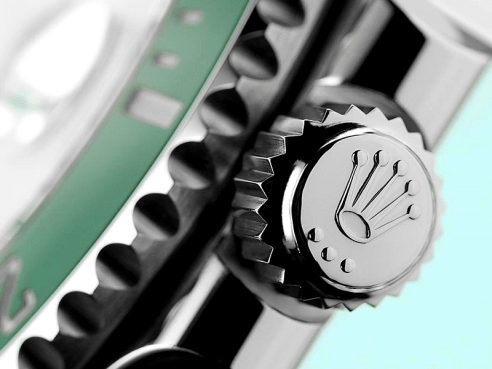
Water resistance ratings appear on virtually every modern watch, yet these specifications remain amongst the most misunderstood features in horology. Many buyers assume that a watch rated to 50 metres can safely accompany them whilst swimming at that depth, only to discover water damage has voided their warranty. Understanding what these ratings actually mean—and more importantly, what they don’t mean—proves essential for anyone investing in a timepiece they intend to wear during water-based activities. From casual splashes whilst washing hands to serious diving expeditions, matching your watch’s capabilities to your intended use prevents costly damage and ensures your timepiece performs reliably in the conditions you’ll actually encounter.
Decoding Water Resistance Specifications
What the Numbers Really Mean
Water resistance ratings expressed in metres, atmospheres (ATM), or bar measurements don’t indicate the depth to which you can safely submerge your watch. Rather, they represent the static pressure the watch withstood during laboratory testing. This distinction proves crucial because real-world conditions involve dynamic pressures from movement, temperature changes, and water impact that laboratory tests don’t replicate. A watch rated to 30 metres isn’t suitable for swimming—it can merely withstand splashes and rain.
The rating system progresses through distinct capability levels. Watches rated 30-50 metres handle everyday exposure to moisture but shouldn’t be submerged. Those rated 100 metres become suitable for swimming and snorkelling, though not diving. Genuine dive watches begin at 200 metres, with professional-grade pieces often exceeding 300 metres. Understanding these thresholds helps you select appropriate timepieces for your lifestyle and intended activities without overestimating capabilities or overpaying for unnecessary specifications.
Testing Standards and Certifications
Reputable manufacturers test water resistance according to international standards, typically ISO 2281 for everyday water resistance and ISO 6425 for dive watches. These standards specify testing procedures including static pressure tests, condensation tests, and assessments of crown and pusher functionality. However, the ISO 6425 dive watch standard proves significantly more rigorous, requiring actual water immersion testing rather than just air pressure simulation.
Watches bearing “diver’s” designations must meet stringent criteria including unidirectional rotating bezels, visible time-elapsed indicators, and luminescence sufficient for 25cm visibility in total darkness. These aren’t mere marketing terms—they represent genuine functional capabilities verified through standardised testing. When purchasing any watch for water-based activities, verify that claimed water resistance comes from proper testing by recognised facilities rather than unsubstantiated marketing claims.
Practical Water Resistance Requirements
Everyday Wear and Casual Exposure
For watches primarily worn in professional or casual settings with occasional water exposure, 30-50 metre ratings suffice. These timepieces handle handwashing, caught in rain, or incidental splashes without issue. However, wearing them whilst showering risks damage as hot water creates steam that can penetrate seals more readily than liquid water. Temperature fluctuations cause materials to expand and contract, potentially compromising gaskets and allowing moisture ingress.
Watches in this category shouldn’t accompany you swimming, and definitely not diving. The dynamic pressures from swimming movements or water entry dives generate forces far exceeding the static pressures these watches were tested against. Even shallow water activities create risks these specifications don’t adequately address. If your lifestyle includes regular water activities, investing in higher-rated timepieces proves worthwhile despite the additional cost.
Swimming and Water Sports
Swimmers, surfers, and water sports enthusiasts require minimum 100 metre ratings, with 200 metres providing additional security. These specifications ensure watches withstand not just submersion but the dynamic pressures from arm movements, wave impacts, and rapid temperature changes between water and air. Screw-down crowns become increasingly important at these levels, as push-pull crowns present potential weak points for water entry.
Before swimming with any watch, ensure the crown is properly secured and any chronograph pushers aren’t operated underwater unless specifically designed for submerged use. Even water-resistant watches can admit moisture if crowns aren’t fully seated or if pushers are activated whilst submerged. Regular seal maintenance becomes essential for watches frequently exposed to water—gaskets deteriorate over time and require periodic replacement to maintain rated protection.
Dive Watches and Serious Underwater Use
Professional Diving Standards
Genuine dive watches represent specialised tools designed for underwater environments where timepiece failure could prove dangerous. Minimum 200 metre ratings, though many professional pieces offer 300 metres or substantially more, ensure adequate safety margins for recreational diving depths. The unidirectional rotating bezel allows tracking elapsed dive time without risk of accidentally extending the dive duration—a critical safety feature.
Helium escape valves appear on watches designed for saturation diving, where divers spend extended periods in pressurised environments. During decompression, helium molecules that penetrated the watch case must escape or they’ll force the crystal off. Most recreational divers never encounter conditions requiring this feature, but its presence indicates serious engineering for extreme underwater use. Collections showcasing the best dive watches of all time demonstrate how these functional requirements evolved into iconic designs that remain influential decades after their introduction.
Maintenance and Longevity
Water resistance isn’t permanent—gaskets and seals deteriorate through normal wear, exposure to chemicals, temperature extremes, and simply age. Professional divers typically service their watches annually, whilst recreational users should seek pressure testing every 2-3 years. This testing verifies that seals remain intact and the watch still meets its rated specifications. Preventive maintenance costs prove trivial compared to water damage repairs or complete movement replacement.
After saltwater exposure, rinsing watches with fresh water removes corrosive salt deposits that accelerate seal deterioration and can damage case finishes. Avoid operating crowns or pushers whilst the watch remains wet, as this can draw moisture into the case through temporarily opened channels. These simple practices significantly extend the reliable service life of water-resistant timepieces, protecting your investment through years of use.
Common Misconceptions and Mistakes
Overconfidence in Ratings
Many watch owners operate under the dangerous misconception that water resistance ratings provide absolute guarantees. In reality, these specifications represent tested capabilities under ideal conditions when the watch was new. Age, impacts, temperature exposure, and even altitude changes can compromise seals without visible external damage. Treating ratings as minimums rather than guarantees encourages appropriately cautious behaviour that prevents water damage.
The distinction between “water resistant” and “waterproof” matters legally and practically. No watch is truly waterproof—all have limits beyond which water will enter. Manufacturers carefully avoid “waterproof” claims because they’re technically inaccurate and potentially misleading. Understanding this distinction helps set realistic expectations about what your timepiece can safely endure.
Shower and Hot Water Exposure
Hot showers represent surprisingly common causes of water damage in supposedly water-resistant watches. The combination of steam, temperature extremes, and soap creates perfect conditions for compromising seals. Steam molecules prove smaller than liquid water droplets, potentially penetrating seals that successfully resist liquid water. Additionally, hot water causes case materials and gaskets to expand, potentially creating gaps for moisture entry.
Soap, shampoos, and other chemicals can degrade rubber gaskets over time, reducing their effectiveness. Whilst occasionally wearing a properly rated watch in the shower may cause no immediate harm, repeated exposure accelerates seal deterioration. Given the minimal inconvenience of removing your watch before showering versus the substantial cost of water damage repairs, erring on the side of caution proves wise.
FAQ Section
Can I swim with a 50-metre water-resistant watch?
No—50 metre ratings indicate splash resistance only, not suitability for swimming. The dynamic pressures from swimming movements exceed static test conditions. Choose watches rated minimum 100 metres for swimming activities.
How often should I service my dive watch?
Professional divers typically service annually, whilst recreational users should pressure test every 2-3 years. Service intervals depend on usage frequency and exposure conditions—saltwater diving demands more frequent maintenance than occasional pool swimming.
Does water resistance decrease over time?
Yes—gaskets and seals deteriorate through age, chemical exposure, temperature changes, and normal wear. Regular pressure testing verifies continued protection, whilst seal replacement during servicing restores original specifications.
Can I operate my chronograph pushers underwater?
Only if specifically designed for submerged operation—most chronograph pushers must not be activated underwater as they create channels for water entry. Consult your manual or manufacturer before operating any crown or pusher whilst submerged.
What does “10 ATM” mean on my watch?
ATM (atmospheres) measures pressure—10 ATM equals approximately 100 metres depth rating. This indicates suitability for swimming and snorkelling but typically not serious diving, which requires minimum 20 ATM (200 metres).
Conclusion
Understanding water resistance ratings transforms this confusing specification into practical knowledge that protects your investment and ensures your timepiece performs reliably in intended conditions. The gap between marketing claims and real-world capabilities can prove costly for uninformed buyers who assume their watches offer greater protection than specifications actually guarantee. By matching water resistance ratings to your genuine needs, maintaining seals through regular servicing, and avoiding common mistakes like hot water exposure, you ensure your watch delivers years of reliable service regardless of environmental conditions. Whether you need basic splash resistance for everyday wear or professional dive watch capabilities for serious underwater activities, informed decisions based on accurate understanding of specifications rather than marketing language prove essential for satisfaction with any water-resistant timepiece.
Discover more from
Subscribe to get the latest posts sent to your email.

Leave a Reply