
Building High-Performing Workplaces Through Smart Recruitment
Introduction
The modern business landscape is rapidly evolving, with organizations facing mounting pressure to innovate, compete, and thrive. At the heart of sustained growth is a robust approach to talent acquisition—the process of finding and securing the right individuals who will contribute to a company’s mission and help achieve long-term objectives. Understanding what is talent acquisition and what it entails is essential for business leaders seeking to unlock the true potential of their workforce.
Unlike traditional recruitment, talent acquisition is a strategic function that not only identifies candidates for immediate needs but also anticipates future skills gaps and evolving market demands. In this highly dynamic context, organizations that succeed in attracting and retaining top talent gain a distinct competitive edge. Today’s talent acquisition leaders must harness new technologies, foster inclusive cultures, and provide employees with meaningful development paths.
Strategic Alignment of Talent Acquisition
Success in talent acquisition begins with aligning hiring strategies to overarching business goals. By starting with a clear understanding of a company’s mission, values, and growth objectives, talent acquisition leaders can target candidates who are not only technically skilled but also culturally aligned with the company. This approach fosters better collaboration and commitment, driving overall productivity and innovation. Notably, organizations like Mastercard have radically revamped their hiring frameworks, utilizing workforce analytics and internal feedback to ensure recruitment aligns with their digital transformation agendas. This kind of alignment ensures that each hire is an investment in the company’s strategic future. Research from Harvard Business Review underscores that companies that match their talent acquisition strategies to key business goals outperform their peers in profitability and employee retention. Talent teams and business leaders must communicate regularly, using workforce planning to forecast talent needs and prepare for market shifts. This collaborative approach ensures that hiring efforts help achieve, rather than impede, core business milestones.
Technological Advancements in Recruitment
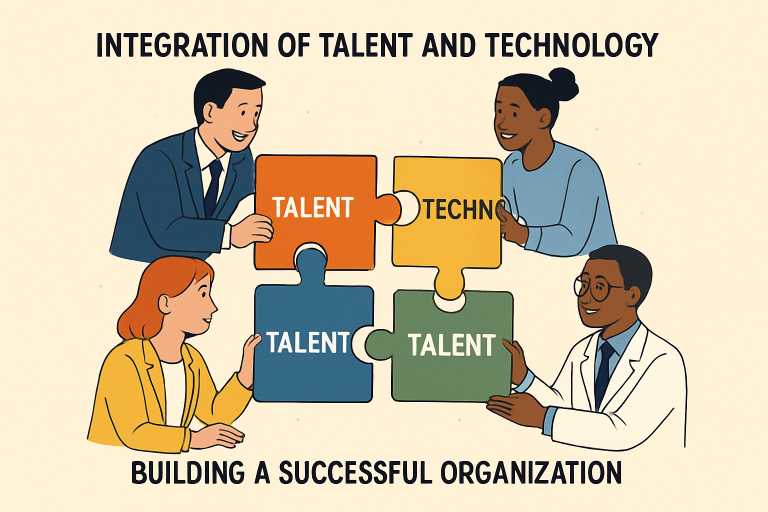
The recruitment landscape has been dramatically reshaped by artificial intelligence and automation. These technologies give hiring teams the power to rapidly sort through large volumes of candidate data, automate repetitive tasks, and generate insights that drive smarter decision-making. AI-powered platforms enable recruiters to find the best matches based on skill, experience, and even cultural fit, while also helping remove biases from initial screening processes.
According to a recent report, organizations that embrace AI in hiring benefit from processes that are up to 3 times faster and produce stronger outcomes in candidate quality and satisfaction. By freeing recruiters from administrative work, AI tools allow them to focus on building authentic relationships with candidates and enhancing the candidate experience.
The Rise of Internal Mobility Programs
In response to the changing demands of today’s workforce, more organizations are prioritizing the growth and mobility of their existing employees. Internal mobility programs open new career paths, giving employees opportunities to advance within the company rather than seeking roles elsewhere. This approach boosts engagement, loyalty, and retention, a critical factor given the costs associated with external hiring. Companies that invest in well-structured internal mobility initiatives typically see a 30% reduction in external hiring costs and a 20% increase in employee retention. Moreover, employees who relocate internally often ramp up faster and deliver greater value, thanks to their existing cultural knowledge and commitment to company values. A growing body of evidence, including findings published by the Society for Human Resource Management (SHRM), supports the argument that internal mobility is a key driver of workforce agility and long-term success.
Embracing Diversity and Inclusion
A genuinely effective talent acquisition strategy recognizes the value of diversity, equity, and inclusion (DEI) in building innovative, resilient organizations. Diverse teams are well-equipped to solve complex problems, bring a wider range of perspectives, and reflect the communities organizations serve. By fostering inclusive environments where individuals from all backgrounds are respected and empowered, companies unlock higher engagement and performance.
Data consistently show that organizations that proactively implement DEI strategies experience notable gains in productivity and innovation. For example, a McKinsey global analysis found that companies in the top quartile for ethnic and cultural diversity outperformed others by 36% in profitability. Diverse and inclusive talent acquisition is not just an ethical imperative; it is a business necessity in the modern workplace.
The Impact of Remote and Hybrid Work Models
The shift to remote and hybrid work models has transformed talent acquisition, expanding access to skilled professionals worldwide. Organizations no longer need to confine their searches to local markets, a move that has dramatically increased the size and diversity of the candidate pool. Offering remote or flexible work options is now a key differentiator that attracts top talent, especially among younger generations who prioritize work-life balance. Remote work arrangements also positively impact productivity and operating costs. According to the New York Times, employees working remotely report higher satisfaction and efficiency, largely due to fewer interruptions and reclaimed time from daily commutes. Organizations that adapt to this new normal are often more agile, resilient, and successful in retaining high-caliber professionals.
Conclusion
Talent acquisition has become a central pillar for organizations aiming to grow, adapt, and excel in today’s complex business climate. By aligning talent strategies with organizational objectives, leveraging transformative technologies, supporting internal career mobility, advancing diversity and inclusion, and embracing flexible work models, companies build strong, future-ready teams. The organizations that make these priorities central to their talent strategy will drive consistent success and remain leaders in the modern workplace.
Discover more from
Subscribe to get the latest posts sent to your email.

Leave a Reply