
Designing Flexible Spaces That Grow With You
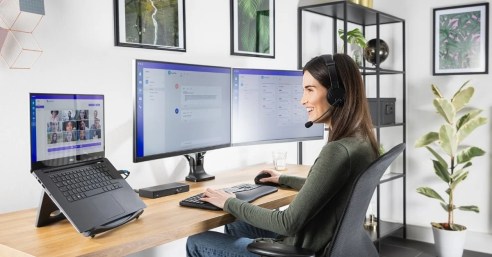
In today’s world, we’re all seeking spaces that can adapt to our changing needs, whether that’s due to a growing family, changing work patterns, or evolving lifestyles. A flexible home allows you to make the most of your space, ensuring it serves your current needs while also being prepared for whatever life throws at you next. Designing your home with flexibility in mind doesn’t mean compromising on style or comfort – it’s about creating a living environment that can evolve seamlessly. This approach can save you time, money, and hassle down the road, offering a more sustainable way to live.
Why Flexible Design Matters
When you design a space that can change with you, you create a home that doesn’t feel restrictive. It allows you to maximise your investment by ensuring your space can evolve alongside your needs. Perhaps you’re working from home now, but you may want a dedicated nursery or a home gym in a few years. A flexible design means you won’t have to overhaul everything when your circumstances change. The ability to reconfigure rooms, add or remove partitions, and switch up layouts makes your home more adaptable, less wasteful, and more functional. It’s about ensuring you don’t outgrow your space too quickly.
Practical Strategies for Flexible Spaces
The key to creating a flexible home is finding ways to make spaces multi-purpose. For instance, a home office can double as a guest room with the right furniture, such as a pull-out sofa or a foldable desk. Storage solutions also play a big role. Investing in built-in storage or modular shelving units can help keep your space tidy while making it easy to adjust how you use it. Another strategy is using furniture that serves more than one purpose. For example, a dining table that can extend for large gatherings but stay compact for everyday use, or a bed with storage underneath. Small changes like these can make a big difference in the way your home adapts to your changing needs.
Designing to Grow With You
When you design with the future in mind, you’re not just thinking about the next few months, but the next few years. Consider the long-term usability of spaces. If you plan to have children, think about how a child’s room can transition into a study or a teen’s retreat later on. Similarly, consider how a bathroom could be adapted for accessibility as you age. Thinking about how spaces can serve multiple purposes over time ensures that your home stays relevant, no matter where life takes you.
A flexible home isn’t just about keeping options open – it’s about making intentional choices that add value as your needs shift.
Future Trends in Flexible Home Design
As more people seek adaptable spaces, architects and builders are increasingly embracing flexible design in their projects. In new build homes, you’ll often find designs that allow for future adjustments and adaptations, such as rooms that can easily be re-purposed or structural elements that support easy expansions. Many new developments are incorporating open-plan layouts that can be easily altered, recognising that flexibility is key for today’s homeowners. As this trend continues, expect to see more homes with features that allow you to mould your space to fit your lifestyle, no matter how it evolves.
Discover more from
Subscribe to get the latest posts sent to your email.
