
Smart Borrowing Habits for a Healthy Financial Future
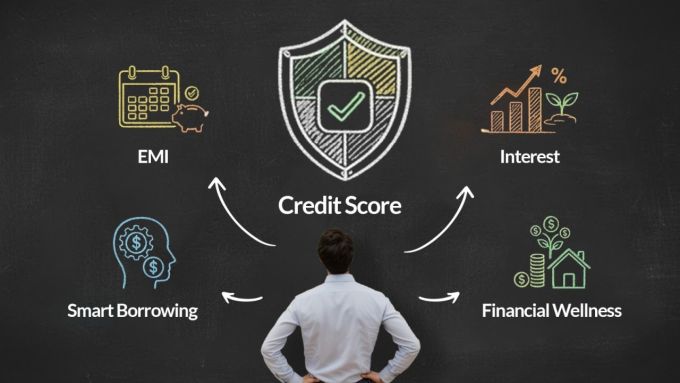
Establishing smart borrowing habits is a cornerstone of financial well-being. Whether you are looking to finance a big purchase, handle an emergency, or consolidate debt, understanding the right approach can save you money and minimize stress. Services like MaxLend loans offer accessible borrowing options, but making wise financial decisions before taking on debt is key to a stable future.
Careful borrowing not only reduces the risk of accumulating unmanageable debt but also supports your long-term financial goals. By aligning your borrowing strategies with disciplined financial planning, you can capitalize on opportunities while safeguarding yourself against potential pitfalls. Learning how to differentiate between essential and non-essential borrowing, understanding loan terms, and proactively preparing for future expenses are all necessary parts of developing smart borrowing habits.
Taking a proactive approach to your finances leads to long-term stability. It opens doors for achieving bigger milestones such as purchasing a home, starting a business, or saving for retirement. Good borrowing habits begin with self-awareness and the ongoing effort to become a more informed consumer.
Smart borrowing isn’t just about getting through tough times—it’s about making informed, strategic decisions that pave the way for future prosperity. By following proven strategies and leveraging available resources, you’ll set yourself up for ongoing financial success.
Understanding Your Financial Needs
Before pursuing any form of debt, it’s essential to understand why the borrowing is necessary. Is the expense a genuine need or simply a desire? Carefully evaluate whether you can delay the purchase or meet your goals through alternative means, such as saving, selling assets, or seeking support. Thoughtful analysis will help you avoid unnecessary debt that could strain your finances down the road.
Ask yourself if the debt is manageable with your current income, and consider the overall impact on your financial situation. Taking the time to calculate repayment costs and how new debt fits into your broader financial picture can help you keep your budget and credit on track. For further insight, reviewing reputable resources like the FTC’s guide on getting out of debt can help you understand the implications of different types of loans.
Creating a Realistic Budget
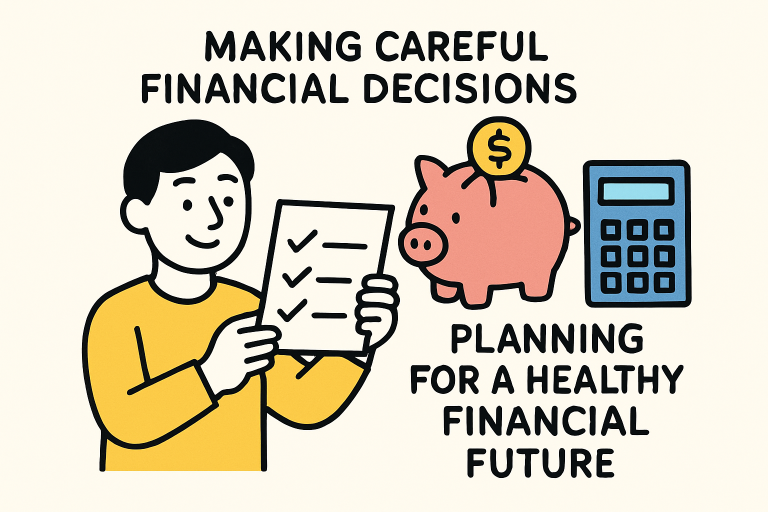
A substantial and realistic budget is the backbone of any successful borrowing plan. Knowing exactly how much money you have coming in and going out each month allows you to make informed decisions about how much debt you can afford—and how quickly you can pay it off. Begin by compiling a detailed list of all your sources of income and your fixed and variable expenses. Tracking your expenditures with budgeting apps or spreadsheets will reveal where your money goes and highlight areas where you can make possible savings.
Once you have a clear view of your finances, set aside specific amounts for debt repayment. This removes the guesswork from meeting your monthly obligations and helps you prioritize paying down higher-interest debts first. Building room in your budget for extra payments can also help reduce your total interest paid over the life of a loan, leading to better financial outcomes.
Maintaining a Healthy Credit Score
Your credit score is a vital indicator of your financial health—and it has a direct impact on your ability to borrow at favorable rates. Consistently paying your bills on time, keeping your credit card balances low, and avoiding excessive new credit applications are all proven ways to boost and maintain a strong credit score. Not only can this save you money on interest, but it can also open doors to better financial products and opportunities in the future.
Regularly checking your credit report can help you identify inaccuracies or unauthorized activity that could harm your credit score. Each of the major credit bureaus allows you to review your reports for free once a year, providing a valuable tool for protecting and improving your credit health. Learn more about boosting your score from the Experian credit score guide.
Strategic Loan Management
Every loan is unique, so comparing rates and terms from multiple lenders is a crucial step for informed borrowing. Pay close attention to annual percentage rates (APRs), fees, and repayment timelines. Choosing a lender and a term that fits your debt repayment ability can prevent financial strain and minimize overall borrowing costs.
Loan consolidation—using a single loan to pay off multiple high-interest debts—can simplify your payments and potentially lower your total interest costs when managed wisely. A Yahoo Finance article notes that selecting the right personal loan to consolidate debt can result in tangible savings, provided you stick to a consistent repayment plan.
Building an Emergency Fund
One of the best defenses against unexpected debt is a robust emergency fund. This is your safety net for unforeseen expenses, such as medical emergencies, urgent car repairs, or sudden loss of income. By setting aside at least three to six months’ worth of living expenses, you can avoid the need for high-interest borrowing in challenging situations.
Begin contributing to your emergency fund every month, even if the amount is small. Over time, these small contributions accumulate, offering peace of mind and greater financial resilience for whatever challenges may arise.
Seeking Professional Financial Advice
If you’re uncertain about managing current debt or planning for future borrowing, consulting a financial advisor can offer tailored guidance. Advisors can help you design a repayment strategy, optimize your investments, and develop sound plans for significant life events or goals—all while ensuring your borrowing remains manageable and aligned with your vision for the future.
Qualified professionals can demystify complex choices and offer strategies tailored to your unique financial landscape, empowering you to make informed decisions regarding both current and future debt.
Staying Informed About Financial Trends
Financial education is an ongoing process. By staying up-to-date with current economic news, changes in interest rates, and the emergence of new lending products, you can make more informed borrowing decisions. Reliable publications like WSFA’s Financial Literacy Month coverage offer timely insights to improve your financial acumen and stay ahead of the curve.
As you continue to educate yourself, you’ll gain a firmer grasp of how to navigate new opportunities and avoid common borrowing pitfalls, allowing you to respond to financial challenges with savvy and confidence.
Conclusion
Building a healthy financial future starts with adopting smart borrowing habits. By understanding when and why to borrow, creating and sticking to a realistic budget, prioritizing your credit score, managing loans strategically, building a strong emergency fund, seeking professional guidance, and staying informed, you lay a solid foundation for long-term stability and success. Responsible borrowing today is the first step to achieving your financial goals tomorrow.
Discover more from
Subscribe to get the latest posts sent to your email.

Leave a Reply