
Thinking of travelling to somewhere rich in ancient history? A Complete Guide to Exploring Egypt for First-Time Visitors
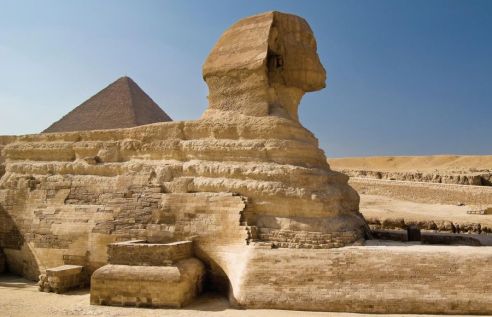
Egypt stands as one of the world’s most captivating destinations, where ancient wonders meet vibrant modern culture along the banks of the legendary Nile River. For first-time visitors, the sheer magnitude of historical sites, cultural experiences, and practical considerations can feel overwhelming. This comprehensive guide will help you navigate your Egyptian adventure with confidence, ensuring you make the most of every moment in this extraordinary land.
Understanding the Best Time to Visit Egypt
Timing your Egyptian journey correctly can make a significant difference in your overall experience. The ideal months to visit are October through April, when temperatures are more moderate and exploring outdoor sites becomes genuinely enjoyable. During these cooler months, you’ll find daytime temperatures ranging from 20 to 30 degrees Celsius, perfect for temple exploration and desert excursions.
Summer months from May to September bring intense heat, particularly in Upper Egypt and desert regions, with temperatures often exceeding 40 degrees Celsius. However, this period also means fewer crowds and lower prices. If you can handle the heat and plan indoor activities during peak afternoon hours, summer travel offers its own advantages for budget-conscious travelers.
Essential Sites You Cannot Miss
The Pyramids of Giza remain Egypt’s most iconic attraction, and standing before these ancient structures is truly a once-in-a-lifetime experience. Arrive early in the morning to beat the crowds and the heat, and consider hiring a knowledgeable guide who can bring the history to life. The nearby Sphinx and the Solar Boat Museum complete this essential Cairo experience.
Luxor serves as an open-air museum containing roughly one-third of the world’s ancient monuments. The Valley of the Kings, Karnak Temple, and Luxor Temple should top your itinerary. Across the river, the Temple of Hatshepsut and the Colossi of Memnon offer equally impressive sights. The best Egypt tours often include extended stays in Luxor because there’s simply so much to explore.
Don’t overlook Abu Simbel, even though it requires extra travel time. These massive temples, relocated to save them from flooding, showcase Ramses II’s architectural ambition. The interior chambers, with their preserved colors and intricate carvings, justify the early morning journey from Aswan.
Navigating Egyptian Culture and Customs
Understanding local customs enhances your experience and shows respect for Egyptian culture. Dress modestly, especially when visiting religious sites, with shoulders and knees covered. Women might want to carry a light scarf for entering mosques or conservative areas.
Egyptians are famously hospitable and curious about visitors, often eager to practice English or simply chat. While this friendliness is genuine, stay aware in tourist areas where some individuals may have commercial interests. Polite firmness when declining offers works better than ignoring people.
Tipping, known locally as baksheesh, is deeply embedded in Egyptian culture. Keep small bills handy for tour guides, restaurant staff, bathroom attendants, and anyone providing services. This practice oils the wheels of daily interactions and is expected rather than optional.
Practical Matters for Smooth Travel
Most visitors require a visa for Egypt, which can be obtained on arrival at major airports or through the convenient e-visa system before departure. The tourist visa typically allows a 30-day stay and costs around 25 USD. Check current requirements for your specific nationality before traveling.
Egyptian pounds are the local currency, and while major hotels and tourist establishments accept credit cards, cash remains king for smaller transactions and tips. ATMs are widely available in cities and tourist areas, offering better exchange rates than airport currency exchanges.
Stomach issues affect many first-time visitors, so take precautions seriously. Drink only bottled water, avoid ice in drinks, and be cautious with raw vegetables and street food until your system acclimates. Hand sanitizer becomes your best friend when traveling between sites.

Making Transportation Work for You
Egypt offers various transportation options depending on your comfort level and budget. Domestic flights connect major cities quickly, saving valuable time if your schedule is tight. Overnight sleeper trains between Cairo and Luxor or Aswan provide a comfortable alternative that saves hotel costs.
For local transportation, Uber operates in Cairo and Alexandria, offering transparent pricing and eliminating haggling. Traditional taxis work in other cities, but agree on prices before starting your journey. Organized tours handle transportation logistics, allowing you to relax and focus on the experiences.
Bringing Your Egyptian Adventure Home
Egypt offers an unforgettable journey through human history, where every temple, tomb, and artifact tells stories spanning millennia. First-time visitors who approach their trip with cultural sensitivity, practical preparation, and open curiosity will find themselves transformed by the experience. The key lies in balancing must-see highlights with spontaneous moments, allowing Egypt’s magic to unfold naturally as you explore this timeless land.
Discover more from
Subscribe to get the latest posts sent to your email.
