
How Changing Market Trends Are Shaping Home Buying Decisions

Key Takeaways
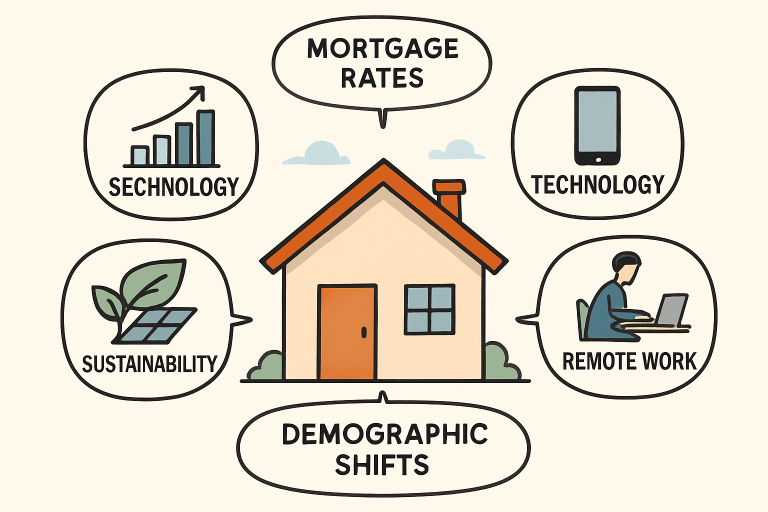
- Rising mortgage rates are impacting affordability and buyer behavior.
- Technological advancements are transforming the home-buying process.
- Remote work is reshaping location preferences.
- Sustainability and energy efficiency are becoming top priorities.
- Demographic shifts are influencing housing preferences
Today’s dynamic real estate market is shaped by several factors that significantly influence how individuals evaluate, select, and ultimately purchase homes. Shifts in mortgage rates, technological transformations, evolving work patterns, heightened environmental consciousness, and demographic adjustments all converge to reshape the home-buying process. Navigating these primarily can be complex, and this is where professional insight becomes invaluable. For those making significant real estate purchases or investments in Colorado, it can be wise to consult a Colorado real estate attorneyto protect your interests and streamline your transaction.
As financial landscapes and societal priorities shift, buyers and sellers alike need to stay informed about these driving forces. Recognizing patterns—such as the impact of new technologies or how remote work has broadened location preferences—enables more strategic and confident decisions in a competitive environment.
Understanding the evolving motivations of home buyers, from the increasing demand for eco-friendly features to shifting standards of neighborhood convenience, can mean the difference between success and frustration in today’s market. As these factors play an increasingly significant role in shaping the American housing market, adapting quickly to the changing landscape is crucial.
The influence of broader economic and demographic trends means individual buyers are no longer just responding to local changes, but to nationwide and even global forces. For those evaluating the best time or place to buy, these market shifts underscore the need for up-to-date research and careful strategic planning. You can find in-depth trend analysis and national data from resources like the more innovative Real Estate section.
Rising Mortgage Rates and Affordability
Mortgage rateshave increased steadily since 2022, significantly impacting home affordability. This shift is largely the result of the Federal Reserve’s ongoing efforts to temper inflation, which have led to multiple interest rate hikes. By 2024, the average 30-year fixed-rate mortgage is expected to have climbed to around 7%, up from the historic lows of approximately 2.7% seen just a few years ago.
This increase means affordability is now front and center for many buyers. Higher rates restrict purchasing power, which has cooled some of the intense demand in hot housing markets. Many first-time buyers are finding it challenging to qualify for loans in the desired amounts, prompting a shift to more affordable neighborhoods or smaller properties. Sellers, in turn, may need to adjust pricing expectations or offer incentives to close deals in a more cost-conscious marketplace.
Technological Advancements in Home Buying
The embrace of advanced technology is radically altering the way people purchase homes. Virtual tours, AI-driven property recommendations, and the rise of full-service real estate platforms offer a level of accessibility and information transparency that did not exist a decade ago. These tools enable buyers to explore a broader pool of properties remotely, compare features, assess communities, and even conduct negotiations and closings digitally.
Both buyers and sellers benefit from digital innovations in real estate. For buyers, technology brings smarter search functionalities, access to real-time market data, and customized financial calculators. Sellers can harness broader marketing tools and automated communications with qualified buyers. As a result, the home buying process is faster, less cumbersome, and often more customer-centric. Industry experts highlight that these advances are likely to keep growing, improving both efficiency and consumer experience—trends that are well-documented by authorities like Forbes.
Remote Work and Location Preferences
The COVID-19 pandemic sparked a fundamental shift in workplace dynamics, and many of its impacts on home buying persist today. With more companies supporting flexible remote or hybrid work arrangements, buyers’ priorities have shifted away from the daily commute to city offices and toward lifestyle-oriented factors. Access to green spaces, affordable cost of living, robust internet service, and communities with ample amenities matter more now than proximity to business districts.
As a result, suburban and rural areas, as well as smaller cities, have seen increased demand from urban dwellers seeking a better quality of life. Vacation towns and scenic enclaves are also drawing attention from buyers eager to make their homes serve as both personal retreats and primary residences. This shift is prompting real estate professionals and regional planners to reconsider infrastructure needs, transportation priorities, and long-term community development plans.
Sustainability and Energy Efficiency
Growing concern over environmental impact continues to shape the interests of home buyers, especially among Millennials and Gen Z. Buyers aren’t just looking for stylish homes; they want properties that minimize their carbon footprint and reduce utility costs. Energy-efficient appliances, smart thermostats, solar panels, sustainable building materials, and environmentally conscious landscaping are quickly moving from “nice to have” to “must-have” features.
This shift is also evident in regional planning and new construction, with some localities adopting green incentives or stricter building ordinances to encourage lower emissions. More buyers are viewing eco-friendly credentials as an investment in both the planet and the long-term value of their property.
Demographic Shifts and Housing Preferences
Population dynamics have long influenced the direction of the housing market, but the post-pandemic landscape has accelerated changes in who buys, where they settle, and what they look for. Millennials, now the largest group of home buyers, are seeking walkable neighborhoods, vibrant urban life, and sustainability. Meanwhile, baby boomers are frequently downsizing or relocating for retirement, fueling demand for smaller homes in quieter suburbs or rural communities.
These evolving demographic preferences are prompting developers to reassess not only the types of homes they build, but also the amenities and services offered in new communities. The result is a rich diversity in property types, from multi-generational homes to community-focused developments tailored to specific lifestyle needs. As these trends continue to develop, staying informed will be crucial for anyone navigating the market.
As the home-buying landscape becomes increasingly complex, these key market trends provide valuable insights for buyers, sellers, and investors alike. Staying up-to-date and seeking professional advice can help you navigate challenges and capitalize on new opportunities in this constantly evolving environment.
Discover more from
Subscribe to get the latest posts sent to your email.

Leave a Reply