
Modern Living: Designing Spaces That Grow With Your Lifestyle
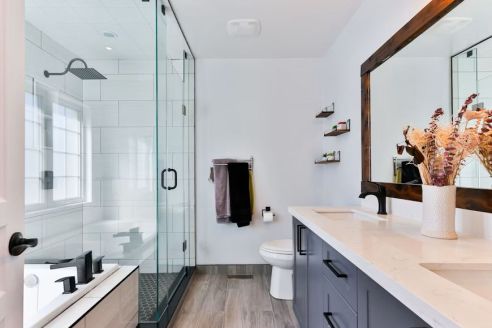
Modern living is no longer defined by fixed routines or static spaces. Homes today must support changing habits, evolving priorities, and shifting family needs without losing comfort or style. A well-designed living environment adapts quietly as life moves forward. It welcomes new routines, supports personal growth, and remains functional through every phase. Designing spaces that grow with your lifestyle means creating rooms that are flexible, thoughtful, and deeply connected to how people actually live each day.
A modern home begins with understanding movement and change. Work patterns shift, families expand or simplify, and personal interests develop over time. A space that once served one purpose may need to support another later on. When design decisions focus on adaptability, the home becomes a long-term partner rather than a temporary solution. This approach values durability, comfort, and ease of use while leaving room for future transformation.
Creating a Bathroom That Supports Daily Change
The bathroom holds a steady presence in everyday life, supporting both fast-paced mornings and slow moments of rest at night. Because it is used so frequently, its design must balance comfort, safety, and long-term usability. A space that adapts well begins with a layout that allows easy movement and reduces strain during daily routines. Clear pathways, thoughtful placement of fixtures, and intuitive organization help the room remain practical as needs evolve.
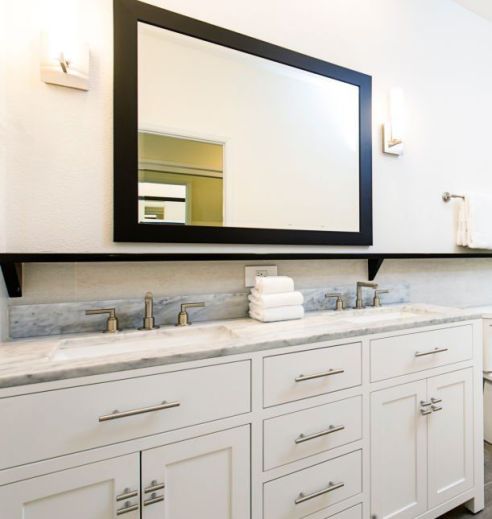
A contemporary modern bathroom design. featuring a bathtub with glass shower stall, toilet and his and her double sink vanity.
Lighting plays an important role in shaping the experience of the bathroom throughout the day. Soft illumination creates a calming environment, while brighter light supports focus when needed. Storage that can be adjusted over time helps maintain order as personal routines change, keeping the space peaceful rather than crowded. When thoughtful planning is paired with expert guidance, the results feel more cohesive and long-lasting. Get in touch with a professional bathroom remodeling company to discuss your ideas and get estimates.
Flexible Living Areas That Adapt to Everyday Life
Living areas are often the heart of the home, hosting a wide range of activities throughout the day. From quiet mornings to lively evenings, these spaces must adapt easily. Designing flexible living areas begins with open layouts that allow furniture to be rearranged as needs change. Clear pathways support movement while maintaining a sense of connection between zones.
Natural light enhances comfort and creates a welcoming atmosphere. Window placement and thoughtful use of light help the space feel open without overwhelming it. Furniture choices that balance comfort and mobility allow the room to shift function without effort. A living area designed for modern living supports relaxation, social interaction, and focused activities within the same environment.
Kitchens That Grow With Changing Routines
The kitchen has evolved into a multi-purpose space that supports far more than meal preparation. It often serves as a place for conversation, creativity, and daily organization. Designing a kitchen that grows with lifestyle changes means focusing on flow, accessibility, and storage that adapts over time.
Clear work areas make daily tasks easier and reduce stress. Storage solutions that allow items to be added or removed help the space remain functional as routines change. Seating areas that support both quick meals and longer gatherings create flexibility without crowding the room.
Bedrooms Designed for Comfort and Transition
Bedrooms serve as personal retreats where rest and reflection take priority. As lifestyles change, these spaces may need to support additional functions without losing their calming nature. Designing bedrooms for adaptability means choosing layouts that allow for movement and quiet organization.
Storage that adjusts to changing wardrobes keeps the room orderly. Lighting that supports both rest and activity enhances comfort throughout the day. Neutral design choices create a timeless base that can be refreshed with minimal effort. A bedroom designed with growth in mind remains a place of comfort regardless of how daily life evolves.
Home Offices That Evolve With Work Patterns
Modern living often includes flexible work arrangements that change over time. A home office must support focus while adapting to shifting schedules and responsibilities. Designing this space with growth in mind means prioritizing comfort, organization, and quiet.
A layout that allows for easy rearrangement supports new tasks as they arise. Storage that keeps materials accessible but out of sight maintains a calm environment. Lighting that reduces strain supports long hours when needed.
Storage Solutions That Change With You
Storage plays a critical role in designing spaces that grow with lifestyle changes. As needs shift, storage must adapt without overwhelming the home. Thoughtful placement and flexible systems allow belongings to change without creating clutter.
Built-in storage that blends with the design keeps items organized and accessible. Open storage encourages intentional use, while closed options maintain visual calm.
Designing for Comfort Across Life Stages
Modern living requires homes that support comfort across different stages of life. Spaces should remain welcoming and functional, whether supporting a growing family or a quieter routine. Design choices that focus on ease of movement and clear organization help the home remain accessible.
Wide pathways, clear layouts, and comfortable surfaces support daily use without strain. Thoughtful transitions between rooms create a sense of flow that feels natural. A home designed for comfort across life stages feels supportive rather than restrictive.
Creating Emotional Connection Through Design
Designing spaces that grow with your lifestyle is not only about function. Emotional connection plays an important role in modern living. A home should reflect personal values and provide a sense of belonging. Materials, colors, and layouts that feel authentic create spaces people want to return to.
Personal touches that can evolve over time keep the home feeling current without major changes. Spaces that support meaningful routines strengthen the connection between people and their environment. A modern home balances practicality with warmth, creating a place that feels both functional and personal.
Modern living calls for homes that adapt quietly as life unfolds. By focusing on flexibility, comfort, and thoughtful design, spaces can grow alongside changing routines and priorities. A home designed with adaptability in mind remains supportive, welcoming, and relevant through every stage of life.
Discover more from
Subscribe to get the latest posts sent to your email.
