
Elevating Your Projects: The Essential Guide to Sound Effects in Creative Media
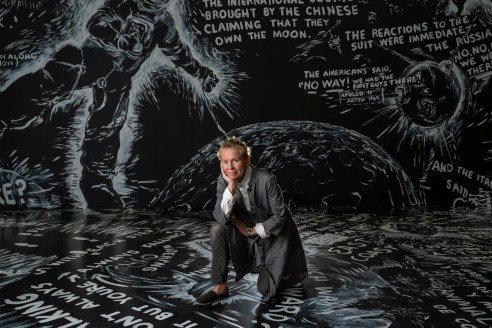
Artist Laurie Anderson regularly incorporates sound effects into her work, be it for a song on an album, a live performance, even the occasional audio art installation.
Sound design transforms ordinary content into immersive experiences that captivate audiences and evoke powerful emotional responses. Whether you’re producing films, creating YouTube videos, developing games, or crafting podcasts, strategic sound effects elevate production quality whilst deepening viewer engagement. Yet many creators overlook this crucial element, focusing exclusively on visuals whilst neglecting the auditory dimension that completes truly compelling storytelling.
The Transformative Power of Sound Effects
Professional sound design operates largely beneath conscious awareness, yet profoundly shapes how audiences perceive and remember content. A door closing with the perfect creak suggests age and mystery. Footsteps echoing through an empty corridor build tension without dialogue. Ambient nature sounds transport viewers to distant locations without expensive filming.
Research demonstrates that audio quality significantly influences perceived video quality. Viewers tolerate moderate visual imperfections far more readily than poor audio. A professionally sound-designed piece immediately signals production value and creator competence, encouraging audiences to invest attention and trust in your content.
Understanding Different Sound Effect Categories
Ambient and Environmental Sounds
These foundational elements establish setting and atmosphere. Urban environments feature traffic hum, distant sirens, and pedestrian chatter. Forest scenes require rustling leaves, bird calls, and wind through trees. Cafés demand the clinking of cups, murmured conversations, and espresso machine hisses.
Layering multiple ambient elements creates rich, believable soundscapes that immerse audiences in your creative vision. Subtle background audio prevents the unnaturally silent environments that plague amateur productions whilst avoiding overwhelming foreground dialogue or narration.
Foley and Movement Sounds
Named after pioneering sound artist Jack Foley, these effects replicate everyday sounds created by human movement and object interaction. Footsteps, clothing rustles, door handles turning, and keys jingling all fall within this category. Proper foley work adds tactile realism that makes scenes feel physically present rather than abstractly observed.
Professional productions record custom foley for precise synchronisation and authentic character. Smaller projects often source high-quality pre-recorded foley libraries offering extensive variety without recording session expenses.
Special Effects and Transitions
Dramatic moments demand impactful sound design. Explosions, magical transformations, science fiction technology, and supernatural events all require carefully crafted audio to sell their reality within story contexts. Transition sounds help guide viewers between scenes whilst maintaining engagement through potentially jarring cuts.
These effects often combine multiple layers—a magical spell might blend chimes, reversed vocals, and synthesised tones to create otherworldly results.
Experimentation and creative processing transform simple sounds into unique signature effects.
Sourcing Quality Sound Effects
Free Sound Effect Libraries
Numerous platforms offer royalty-free sound effects suitable for various projects. These libraries range from modest collections to extensive databases containing thousands of professionally recorded sounds. Quality varies significantly, making careful evaluation essential before downloading.
When searching for specific effects like ethereal or celestial audio, comprehensive libraries such as those offering Heaven Sound Effect options provide diverse choices meeting different creative visions. Always verify licensing terms even for free resources, as usage restrictions vary between platforms.
Premium Sound Libraries
Professional productions often justify investing in premium sound libraries offering superior recording quality, extensive variety, and simple commercial licensing. These collections typically feature metadata tagging, making specific sounds easier to locate within massive catalogues.
Subscription services provide access to constantly updated libraries for predictable monthly costs. This model suits creators producing regular content requiring fresh audio elements whilst avoiding per-project licensing fees.
Recording Custom Sound Effects
Creating original recordings ensures uniqueness whilst providing perfect synchronisation with visual elements. Modern smartphones capture surprisingly good audio for many applications, though dedicated recorders deliver superior results for professional projects.
Approach custom recording creatively—everyday objects often produce unexpected sounds suitable for entirely different applications. Crumpling cellophane might simulate fire, whilst snapping celery can replicate breaking bones. This creative repurposing defines much of professional sound design.
Implementing Sound Effects Effectively
Matching Sound to Picture
Synchronisation between audio and visual elements proves crucial for believable results. Sounds triggering slightly before or after corresponding visual events break immersion and signal amateur production. Most editing software provides frame-by-frame precision for perfect alignment.
Consider perspective when placing sounds within your mix. Distant events require quieter, more reverberant audio than close actions. Off-screen sounds should feel appropriately positioned left or right within the stereo field, creating three-dimensional soundscapes.
Layering for Depth and Impact
Single sound effects rarely provide the richness professional productions demand. Layering multiple elements creates fuller, more satisfying results. A door slam might combine the impact, the latch click, and subtle wood creaking for complete realism.
Vary timing slightly between layers to avoid phasing issues whilst maintaining tight overall synchronisation. This technique adds organic complexity absent from single-source sounds.
Balancing Levels and Dynamics
Proper mixing ensures sound effects enhance rather than overwhelm dialogue and music. Establish clear hierarchies—dialogue typically dominates foreground, music supports mood, and effects occupy supporting roles unless specifically featured.
Use compression and EQ to carve sonic space for different elements. High-pass filters remove unnecessary low frequencies from effects competing with music or dialogue. Dynamic range compression controls volume spikes whilst maintaining impact.
Common Sound Design Mistakes to Avoid
Overusing Effects
Inexperienced creators often overload productions with excessive sound effects, creating cluttered, exhausting soundscapes. Not every action requires accompanying audio. Strategic silence and restraint often prove more powerful than constant auditory stimulation.
Ignoring Room Tone
Scenes require consistent ambient presence throughout. Abrupt silence between dialogue lines signals editing rather than natural pauses. Recording or sourcing appropriate room tone and maintaining it throughout scenes creates professional coherence.
Neglecting Audio Perspective
Sounds should match visual perspective. Close-up shots demand more detailed, present audio than wide establishing shots. Ignoring this relationship creates disconnect between what viewers see and hear.
Frequently Asked Questions
Are free sound effects suitable for professional projects?
Many free sound effect libraries offer professional-quality audio suitable for commercial use. However, always verify licensing terms and consider whether extensive rights management justifies premium alternatives. For client work or commercial distribution, premium libraries often provide clearer licensing and reduced legal risk.
How many sound effects should I use in a typical video?
Quantity varies dramatically based on content type and style. A dialogue-heavy interview might require minimal effects, whilst action sequences demand extensive sound design. Focus on necessity rather than arbitrary numbers—each effect should serve specific creative purposes.
Can I modify free sound effects?
Most free sound effect licences permit modification, but always review specific terms. Processing sounds through effects, combining multiple sources, and creative manipulation often proves essential for achieving desired results whilst avoiding overused stock sounds.
What audio format should I use for sound effects?
WAV files offer uncompressed quality ideal for editing and processing. MP3 compression saves storage space but degrades quality through generation loss during repeated editing. Use WAV during production, converting to compressed formats only for final distribution if necessary.
How do I create unique sound effects from common sources?
Layering, pitch shifting, time stretching, reversing, and creative effects processing transform ordinary sounds into unique elements. Experiment freely—sound design rewards creative exploration and unconventional thinking more than rigid adherence to realistic representation.
Conclusion
Mastering sound effects elevates your creative projects from amateur efforts to professional productions that captivate and engage audiences. By understanding sound categories, sourcing quality libraries, implementing effects strategically, and avoiding common mistakes, you’ll craft immersive auditory experiences that complement your visual storytelling. Whether producing films, games, podcasts, or online content, investing attention in sound design pays dividends through enhanced audience engagement and perceived production value. Begin exploring sound effect libraries today, experiment with creative implementation, and discover how proper audio transforms your projects in ways that purely visual approaches never achieve.
Discover more from
Subscribe to get the latest posts sent to your email.
