
The latest film adaptation of “Wuthering Heights” is like a postmodernist (wet) fever dream
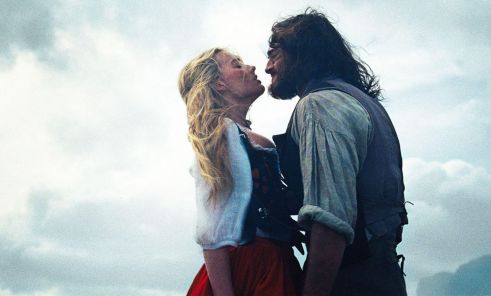
The latest film adaptation of Emily Brontë’s classic novel Wuthering Heights was released just a few days ago but already there’s a lot of talk about it. And the verdict has been fairly divided.
The film opened to notable commercial success — topping box office charts in the UK, and doing relatively well in Australia, partly due to strategic Valentine’s Day timing. But feedback from the public and critics alike highlights two key two key points: that the presentation is occasionally too over-the-top, and that Emerald Fennell has veered a little too far away from Brontë’s original story.
Put simply, this adaptation isn’t your routine period drama – but you kind of expected that since Fennell is known for hard-hitting movies such as Promising Young Woman and Saltburn. But when she wants to turn on the classic charm, Fennell does that blatantly, too, such as insisting on double inverted commas in the film’s title and poster art – just like they used to do with movies in the old days when adapting from another source; a kind of statement that “this is the film of the book but it’s not the actual book”.
Similarly to how Baz Luhrmann presents his subject matter in over-the-top pastiche, Fennell has created a highly stylised “Wuthering Heights” that appears to be aiming for visceral emotional impact over easy relatability. The result ought to appeal to the Insta-generation but may have Baby Boomers tut-tutting over the overtly sexualised bits.
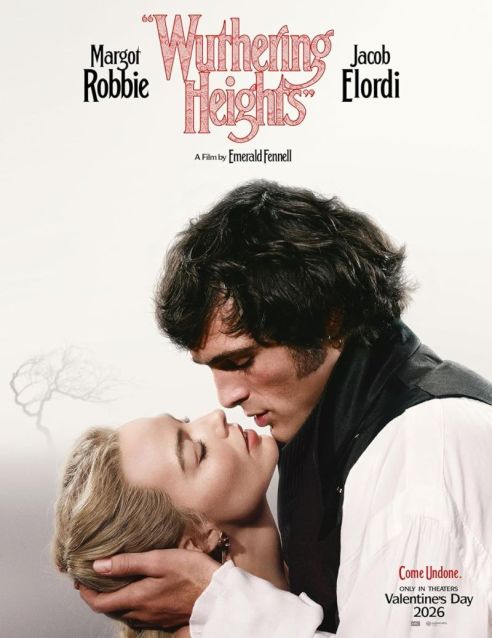
Since we are talking about a film that has strayed relatively far from its original source, Cream figured it would be best to forsake a traditional review and instead give you a heads-up of what to expect that is different in this postmodern take of a classic bit of literature.
For the record, we entered the cinema thinking the film might disappoint, but by closing credits there were tears welling up, and an eagerness to still around till the end of closing credits. Yep, we like.
The story is presented mostly from Catherine’s perspective
In the novel, much of the story is filtered through the housekeeper Nelly Dean’s narration, and from the outsider Lockwood’s frame narrative. In the film, director Emerald Fennell removes much of that layered storytelling structure, and instead focuses more directly on Catherine’s emotional experience. While this all-eyes-on-me approach makes Catherine appear somewhat precocious (as a child) and all-too petulant (as an adult), the latter trait does make Margot Robbie’s lead role a most memorable one.
There’s less of a romantic tone and much more sexual tension in the film
Brontë’s novel is famously bleak, morally complex, and often cruel. The love between Catherine and Heathcliff is obsessive and destructive. But the 2026 adaptation leans more into the tragic side of romance and things are certainly sexed-up for a modern audience – with themes of S&M sneaking in regularly. With Margot Robbie as Catherine and Jacob Elordi as Heathcliff (a very spunky Heathcliff by the time he comes into a bit of money and taste for high-cut boots), the chemistry is framed more intensely, making the relationship feel more like doomed passion than pure vengeance. Some of Heathcliff’s harsher, more sadistic elements can be compared to the novel.
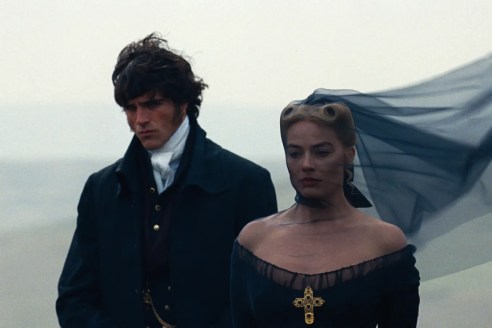
The film presents more of a streamlined generational plot
The novel has two generations of Earnshaws and Lintons, with the second generation playing a major role in resolving the story. The film significantly reduces this second-generation arc. Instead of fully exploring the children’s storyline, Fennell’s adaptation centres almost entirely on Catherine and Heathcliff’s tragic relationship, making the story tighter, and more emotionally concentrated.
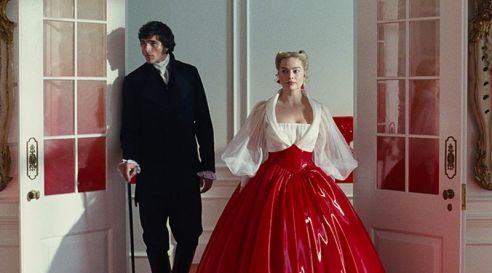
The highly stylised visual approach will leave you wide-eyed
Where the novel evokes the wild, harsh Yorkshire moors in a raw, naturalistic way – and subsequent Kate Bush song connotes a similarly windy-moor-y vibe, Fennell’s version takes pause and allows the reader/viewer to really soak in the characters’ surrounds. There’s dramatic lighting, rich colour palettes, symbolic imagery – even a room in Catherine’s new posh home designed to represent her skin – warts and all, so to speak. As a result, the film feels less like a restrained 19th-century period drama and more like a gothic fever dream.
Modern emotional framing has been thrown into the mix
 This is very much helped out by a brilliant soundtrack created by Charli XCX, in which the music is classically swaying one moment and gorgeously discordant the next. We’d be keen to hear Charli be just as experimental in her future album projects. Indeed, everything about this film seems like a cunning remix. To the storyline again, while Brontë’s book leaves much moral ambiguity intact, the film provides more emotional cues – whether subtly commenting on class difference, racism, emotional isolation, or female confinement – all subjects that resonate with woke (and some not-so-woke) audiences today.
“Wuthering Heights” is in cinemas now.
A hint of what to expect from this year’s Ubud Writers & Readers Festival
In the company of muses and gods: an interview with rock poet Patti Smith from the Cream archives
Elevating Your Projects: The Essential Guide to Sound Effects in Creative Media

Discover more from
Subscribe to get the latest posts sent to your email.
