
Creating a More Relaxing Living Space with Better Natural Lighting
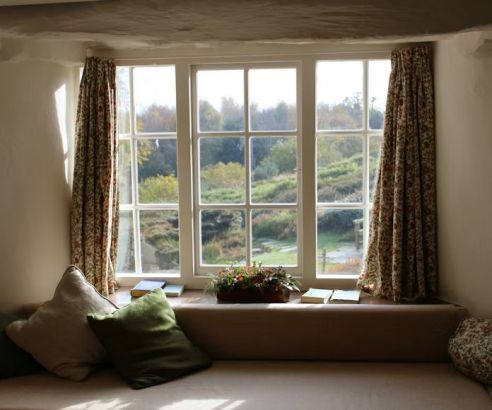
Walk into a dark, cramped home, and you immediately feel the difference. Low light makes ceilings seem shorter, corners feel tighter, and even your mood can dip without you realizing why. Now picture a space filled with natural sunlight. The room feels open, breathable, and welcoming. That shift is not just visual. It affects how you think, sleep, and move through your day.
Natural light plays a central role in modern lifestyle wellness. Designers prioritize it because it supports both aesthetics and well-being. Homeowners across regions with long seasonal changes in daylight often notice how strongly sunlight influences their energy levels. When a home lacks sufficient window space or relies on outdated glass, the result is more than a dim room. It can mean higher energy bills, drafts, and limited comfort.
Overcoming Structural Limitations in Older Homes
Older homes often reflect different design priorities. Builders focused on insulation or privacy rather than expansive glass. As a result, many properties have smaller window openings, thicker framing, or outdated panes that restrict natural light. You might repaint walls and rearrange furniture, yet the room still feels dim because the original structure limits how much sunlight enters.
This is where cosmetic updates reach their limits. If windows are drafty, poorly positioned, or undersized, they physically restrict the amount of daylight available. Partnering with the right replacement window company ensures durability and better energy efficiency. An experienced provider will carefully assess your home’s layout, sun exposure, and insulation needs before recommending specific materials and glazing options. This thoughtful evaluation helps ensure the finished result improves natural light, comfort, and long-term performance.
The Science of Natural Light: Vitamin D and Circadian Rhythms
Natural light does more than improve appearances. It directly affects how your body functions. Exposure to sunlight helps your body produce Vitamin D, which supports immune health, bone strength, and overall vitality. When your living space allows regular exposure to daylight, you make it easier to maintain healthy levels without relying solely on supplements.
Light also regulates your circadian rhythm, the internal clock that governs sleep and wake cycles. Morning sunlight signals your body to feel alert, while gradual dimming in the evening supports rest. Homes with limited daylight can disrupt this balance, leading to fatigue or inconsistent sleep. By increasing indoor natural light, you create an environment that supports steady energy and better recovery.
Amplifying Light with Mirrors and Reflective Surfaces
If structural changes are not immediately possible, strategic design choices can still make a noticeable difference. Mirrors remain one of the most effective tools for increasing perceived brightness. When placed directly across from a window, a mirror reflects incoming light deeper into the room, reducing shadows and brightening darker corners.
Reflective materials also play a supporting role. Glass tables, metallic finishes, and polished stone surfaces bounce light gently without overwhelming the space. The key is moderation. A few thoughtfully placed reflective elements can enhance natural brightness while maintaining a calm, cohesive atmosphere that feels intentional rather than flashy.
Choosing the Right Color Palette: Understanding Light Reflectance Value
Color plays a powerful role in how light behaves inside a room. Light Reflectance Value, or LRV, measures how much light a color reflects versus absorbs. Higher LRV shades, such as soft whites and warm neutrals, reflect more daylight and help a space feel open. Darker tones absorb light, which can make walls visually recede but also deepen shadows in already dim rooms.
That does not mean every wall should be bright white. Balance matters. Pair higher-LRV wall colors with natural textures like wood, linen, or matte finishes to prevent the space from feeling stark. A thoughtful palette allows natural light to move freely while still creating warmth and personality.
Brightness vs. Glare: Selecting Smart Window Treatments
More light is not always better if it creates discomfort. Brightness feels energizing, but glare strains your eyes and overheats a room. Direct sunlight without filtration can wash out furniture colors and make screens difficult to use. The goal is to diffuse light so it feels soft and consistent throughout the day.
Sheer curtains, layered drapery, or solar shades allow sunlight in while reducing harsh intensity. Room orientation also matters. South- and west-facing windows often require more filtering during peak hours, while north-facing rooms may benefit from minimal obstruction. Smart window treatments help you control light without sacrificing openness.
Structural Enhancements: Skylights, Glass Doors, and Strategic Placement
When you want a dramatic improvement in daylight, structural enhancements can deliver meaningful results. Skylights introduce overhead light that spreads evenly across a room, reducing dependence on artificial fixtures. Glass doors, especially those leading to patios or gardens, extend sightlines and pull sunlight deeper into the interior.
Placement matters as much as size. Windows positioned to align with open floor plans or opposite reflective surfaces maximize distribution. Even small adjustments, such as enlarging an opening or adding a transom window, can change how light travels. Strategic planning ensures that new additions feel integrated rather than disruptive.
Maintenance Matters: Preserving and Protecting Natural Light
Even the best design loses impact if windows are dirty or obstructed. Dust, water spots, and debris reduce clarity and block valuable daylight. Regularly cleaning both interior and exterior glass keeps light transmission at its highest level. It is a simple habit with noticeable results.
Outdoor elements also deserve attention. Overgrown shrubs or tree branches can slowly limit sunlight without you realizing it. Seasonal trimming restores brightness and improves views. Checking seals and frames for wear protects insulation and prevents fogging between panes. Ongoing maintenance keeps your investment performing at its best.
Designing a Brighter Lifestyle
Creating a relaxing living space with better natural lighting involves both design strategy and practical upkeep. Color choices, reflective surfaces, and thoughtful window treatments enhance what you already have. Structural updates and proper maintenance ensure long-term performance. When you approach lighting with intention, you improve comfort, energy efficiency, and overall well-being. Small changes can start the process, and larger upgrades can complete it. The result is a home that feels lighter, calmer, and easier to live in every day.
Discover more from
Subscribe to get the latest posts sent to your email.

Leave a Reply