
Future-Proof Living: Smart Structural Decisions That Age Well
Have you ever looked around your home and wondered if it will still work for you ten or twenty years from now? Not just if it will stand, but if it will still feel right. News headlines talk about stronger storms, rising utility costs, and housing shortages. At the same time, more people are working from home and staying in their houses longer. The idea of “forever homes” is trending again, but with a modern twist.
Future-proof living is not about chasing every new gadget. It is about making smart structural choices that hold up over time. It means thinking ahead instead of reacting later. It means choosing durability over flash and planning for needs you may not have yet. In this blog, we will share practical ways to strengthen your home, reduce long term costs, and make smart structural decisions that age well in a changing world.
Start With the Top: Protect What Protects You
When people talk about upgrades, they often mention kitchens or bathrooms. Those rooms matter. But the most important features are often the least glamorous. Your roof, foundation, and structural framing quietly do their job every day.
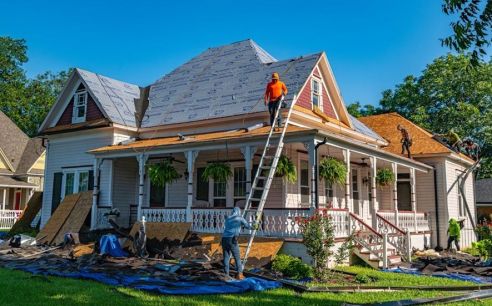
Extreme weather events are becoming more common across the country. Heavy rains, hail, and high winds test the strength of older homes. That is why it is important to consult a reliable roof replacement company before small issues turn into major leaks. A strong roof protects insulation, wiring, and interior walls. Ignoring it can lead to mold and costly repairs.
If your roof is more than twenty years old, schedule an inspection. Look for missing shingles, sagging areas, or water stains on ceilings. Addressing wear early can prevent structural damage. Choose materials rated for your local climate. Metal roofing may last longer in areas with heavy snow. Impact resistant shingles can reduce damage during hailstorms.
Future-proofing starts at the top because everything underneath depends on it. A solid roof is not flashy, but it is foundational.
Reinforce the Foundation and Framing
A house is only as strong as what holds it up. Foundation cracks may seem small at first. Over time, they can grow and lead to uneven floors or stuck doors. Schedule regular inspections, especially if you live in an area with shifting soil or frequent temperature changes.
Install proper drainage around your home. Gutters should direct water away from the foundation. Downspouts should extend several feet from the base. Standing water weakens structural integrity.
If you plan renovations, avoid removing load bearing walls without professional advice. Open floor plans look appealing, but structural balance matters more. Hire a structural engineer when making big changes. It may cost more upfront, but it prevents expensive mistakes later.
Think long term. Reinforcing beams or adding support during a remodel is easier than fixing a sagging ceiling years later.
Build With Energy Efficiency in Mind
Energy costs continue to rise. Many families feel the strain during extreme heat or cold. Future-proof living includes lowering long term utility expenses.
Upgrade insulation in attics and walls. Proper insulation keeps indoor temperatures stable. Seal gaps around windows and doors. Small leaks let air escape and force your HVAC system to work harder.
Consider energy efficient windows. Double or triple pane glass reduces heat transfer. It also lowers outside noise, which is a bonus in busy neighborhoods.
Solar panels are becoming more common as technology improves and incentives grow. While not every home is a perfect fit, researching options can pay off over time. Energy efficient upgrades not only cut bills but also increase resale value.
Plan for Aging in Place
The population is aging. Many homeowners want to stay in their homes longer instead of moving into assisted living. Future-proof design supports mobility and comfort.
Install wider doorways during renovations. This allows room for walkers or wheelchairs if needed. Choose lever style door handles instead of knobs. They are easier to use for people with limited hand strength.
Consider a main floor bedroom and bathroom. Climbing stairs every day may become difficult later. Even if you do not need these features now, planning ahead saves money and stress in the future.
Add brighter lighting in hallways and staircases. Good lighting prevents falls. Non slip flooring in bathrooms adds another layer of safety. Small adjustments today can protect independence tomorrow.
Choose Materials That Last
Trendy finishes look great on social media – they do not always stand the test of time. When selecting materials, focus on durability.
Hardwood or high quality engineered flooring lasts longer than cheaper options. Fiber cement siding resists pests and weather damage. Composite decking handles moisture better than untreated wood.
Research maintenance requirements before choosing materials. Some surfaces require frequent sealing or painting. Others need minimal care. Low maintenance options free up time and reduce costs over decades.
Quality may cost more upfront. Yet repeated repairs and replacements cost more in the long run. Investing wisely once is often cheaper than fixing things repeatedly.
Think Flexible and Adaptable
Life changes. Families grow. Jobs shift. Hobbies evolve. A future-proof home adapts to new needs.
Design rooms that serve multiple purposes. A guest room can double as a home office. A finished basement can become a workout space or playroom. Use built in storage to reduce clutter and keep spaces flexible.
Install extra electrical outlets and wiring during renovations. Technology demands increase over time. Planning for future devices prevents costly upgrades later.
Consider smart home systems that control lighting, security, and temperature. Choose systems that allow updates instead of full replacements. Flexibility matters more than novelty.
Prepare Financially for Big Decisions
Smart structural decisions require planning. Create a long term home improvement fund. Set aside money each month for major projects. This prevents panic when repairs arise.
Review homeowner insurance policies annually. Make sure coverage matches current rebuilding costs. Climate risks can shift quickly, so staying informed protects your investment. Keep records of upgrades and repairs. Documentation helps during resale and insurance claims. Organized records reflect responsible ownership.
Future-proof living is not about predicting every problem. It is about preparing for change. Homes that age well do so because their owners think ahead, act early, and invest wisely.
You cannot control storms or economic shifts. You can control how you maintain and strengthen your home. With steady attention and practical choices, your house can remain safe, efficient, and adaptable for years to come. And that is the kind of security that truly stands the test of time.
Discover more from
Subscribe to get the latest posts sent to your email.

Leave a Reply