
Why Used Cars are the Way Forward
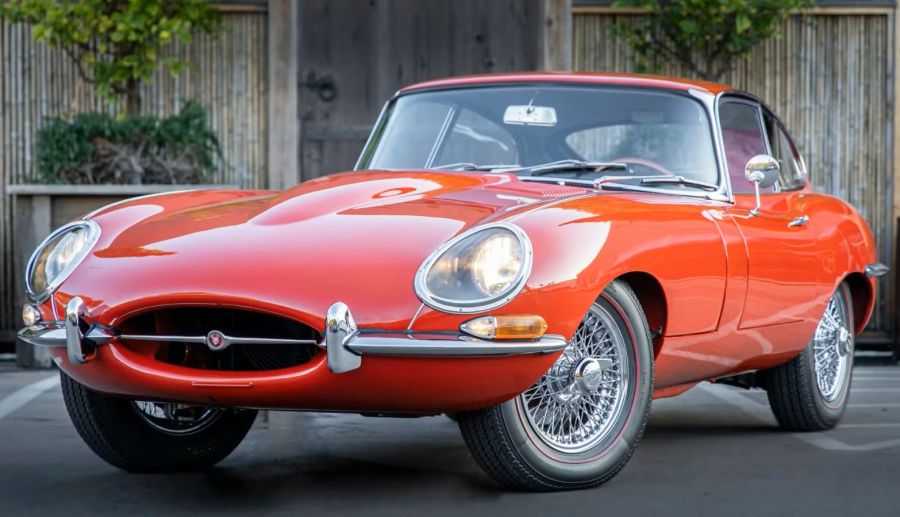
Motoring can be a very expensive business, especially given recent spikes in the price of oil. Fortunately, there’s a very effective way of cutting your costs on the road, and that’s to avoid the new market in favour of the second-hand one.
So, what are the practical advantages of a used car?
Lower upfront costs and reduced depreciation
Depreciation is a major problem for anyone investing in a new car. These assets tend to depreciate extremely quickly over the first few months of their lives. In many cases, you’ll end up losing thousands of pounds in value the moment the car rolls off the dealership’s forecourt.
If you opt instead for a model that’s just a few years old, then you’ll end up getting most of the benefits of a brand new vehicle, at a mere fraction of the cost.
A wider range of models within your budget
When you buy new, you’re limited to models that are currently in production. This is only a tiny sliver of the overall breadth of models available to you. You might be looking for a specific kind of car that’s no longer being made, like the Ford Fiesta. Or, you might be able to access premium features and brands that, if you had gone new, would be outside of your price range. Used cars don’t have to be low-budget options; they do, however, usually represent better value.
Greater availability during changing market conditions
During the COVID-19 pandemic, manufacturing capacity plunged markedly. This resulted in many buyers of new cars ending up having to wait for months on end for their vehicles to arrive.
If you’re trying to buy in an unfavourable market, then buying second-hand is typically easier. There are more cars to choose from, and they tend to be available even during tough economic times.
Environmental and sustainability considerations
Finally, we should mention a concern that’s increasingly prevalent among motorists, and consumers more broadly. When you buy a used car, you avoid all the ecological damage that results from manufacturing and shipping a new one. The used market is therefore rightly seen as a more environmentally-friendly choice.
In many cases, these environmental costs far outweigh the efficiency savings that might result from a new vehicle – even if you’re switching to an electric vehicle. Think about how many miles you’re going to be doing, and what the per-mile environmental savings are really going to be like. If you’re commuting long distances every week, then the upgrade might be worthwhile. If you’re not, then you might actually end up polluting the natural world more, even if the vehicle you’re buying is very efficient and cheap to run.
Discover more from
Subscribe to get the latest posts sent to your email.

Leave a Reply