
Diversity in Adoptive Families
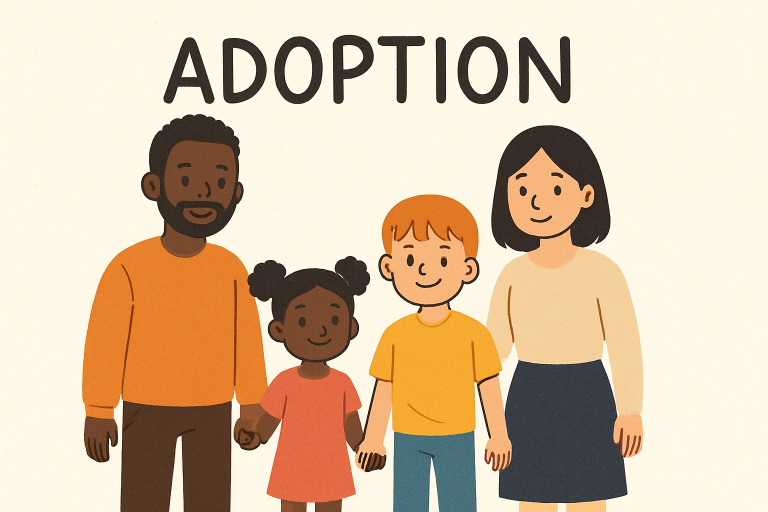
Modern American families are increasingly being shaped by the diverse realities of domestic adoption. The concept of family is no longer anchored exclusively to biological ties or traditional structures. Instead, single parents, LGBTQ+ couples, and families from an array of cultural backgrounds are all finding their place and redefining what it means to build a family through adoption. Across the United States, more individuals and couples are realizing that adoption can provide a loving and stable environment for children, prompting a rise in people researching options like a domestic adoption agency Georgia to start or expand their families.
Societal attitudes toward adoption have shifted considerably in recent years, with inclusivity and openness now at the forefront of the conversation. These shifts reflect the understanding that nurturing and commitment, rather than shared genes, are the hallmarks of a strong family. This change has been supported by evolving laws and agency practices that recognize the unique strengths and needs of non-traditional adoptive families, ultimately allowing more children to find permanent, loving homes.
The recognition of diverse adoptive families not only benefits prospective parents but also children who need permanence and stability.
As agencies and communities embrace a wider definition of family, the barriers that once limited who could provide a home for a child are beginning to break down. This evolution in thinking serves as a foundation for stronger, healthier family bonds and better outcomes for children in need.
Inclusivity also extends to race, ethnicity, and cultural backgrounds, which enriches the adoption experience. Families navigating the complexities of transracial adoption, for example, are now encouraged to develop cultural competence so they can support their adopted children’s identities and personal growth. This response to growing diversity is critical for helping all members of the adoptive triad flourish.
The Rise of Open Adoption
One of the most transformative developments in modern adoption is the growing trend toward open adoption. Unlike the confidential or closed adoptions of previous generations, open adoption practices now allow for ongoing, carefully managed contact between birth families and adoptive families. As of 2024, about 95 percent of domestic adoptions in the United States involve some level of openness, according to data from the Open Adoption.
Open adoption is designed to promote a sense of transparency and connection, helping adopted children understand their origins and develop healthy identities. It also alleviates some of the uncertainties and emotional challenges that both birth and adoptive parents may face. While the degree and nature of contact vary widely, most open adoptions involve some exchange of information, photos, or even regular visits when all parties agree it is in the child’s best interest.
Technology’s Impact on Adoption
The adoption process has been significantly streamlined by technological advancements in recent years. Prospective adoptive parents can now connect with agencies, birth parents, and support resources through dedicated digital platforms. These platforms help facilitate communication and provide informational support through each step of the adoption journey.
Artificial intelligence and data-driven tools are enhancing compatibility assessments, helping agencies and families find the best matches for children and reducing instances of failed placements. Virtual home studies and online training modules remove geographic and logistical barriers, opening up the process to more families and ensuring that quality, consistency, and safety remain top priorities no matter where families live.
Policy Changes and Support Systems
Legislation plays a critical role in shaping adoption policy. The passage of acts like the Family First Prevention Services Act emphasizes prioritizing family preservation whenever safe and possible, but it also provides vital support for kinship care and post-adoption resources when children cannot safely remain with their birth families. These changes address both the financial and emotional well-being of adoptive families, offering subsidies, tax incentives, and counseling support to create greater stability for children as they transition to their new homes.
Organizations and advocacy groups have helped drive these shifts by highlighting adoptive families’ evolving needs and amplifying the real-world challenges they face. As a result, states and agencies are increasingly investing in comprehensive post-adoption services that include mental health support, community groups, and educational resources for families who need ongoing guidance.
Challenges and Considerations
Despite important progress, domestic adoption continues to present unique challenges. Transracial adoptions, for example, require families to cultivate cultural awareness and advocate for their children’s rights and identities throughout their lives. Agencies generally encourage open dialogue and ongoing education, so children receive the support they need to thrive in families that may not share their race or cultural background.
Older children and those with complex histories may require trauma-informed care, specialized educational support, or more extensive post-adoption services. Ensuring that adoptive families are prepared to meet these needs is an ongoing focus of both policy and practice in adoption communities.
Another challenge is finding the right balance in open adoption arrangements. While openness can provide security and identity to adoptees, protecting the privacy and well-being of all parties remains critical. Families, birth parents, and agencies must collaborate to set clear boundaries and adjust arrangements as children grow and their needs change.
Conclusion
Domestic adoption continues to be redefined by evolving societal attitudes, cutting-edge technology, and more inclusive policies. As more Americans embrace a broader vision of family, adoption stands out as a powerful way to create lasting bonds and provide loving homes for children in need. By addressing the remaining challenges and expanding support systems, the adoption community can build an even stronger future for families of every kind.
Key Takeaways:
- Domestic adoption is increasingly diverse, involving single parents, LGBTQ+ couples, and families of various backgrounds.
- Open adoption practices are becoming more common, fostering ongoing relationships between adoptive and birth families.
- Technology plays a significant role in facilitating connections and streamlining the adoption process.
- Policy changes and support systems are evolving to better meet the needs of adoptive families and children.
Discover more from
Subscribe to get the latest posts sent to your email.

Leave a Reply