
The Subtle Signs Your Home Might Be Due for a Roof Upgrade
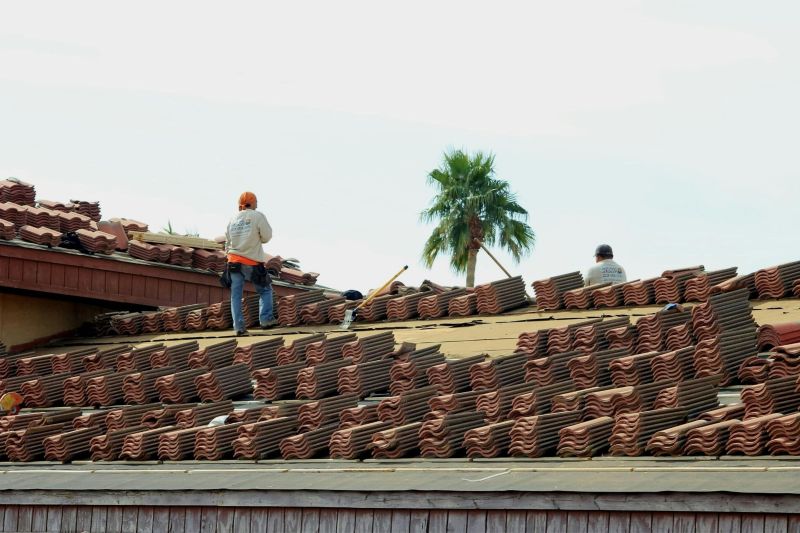
If you live in a place like Tumwater, you already know how much your home goes through year-round. Rain is frequent, moisture lingers, and the weather can shift quickly. Over time, all of that wear adds up, especially on your roof.
The tricky part is that roof problems don’t usually show up in obvious ways at first. There’s no dramatic moment where everything suddenly fails. Instead, it starts small. A slight discoloration. A minor change in how your home feels. Something that’s easy to overlook.
Most homeowners focus on what they can see every day: walls, floors, and furniture. But your roof sits above it all, quietly doing its job. And when it starts to wear down, the signs tend to be subtle.
The good news is that your home usually gives you hints before things get serious. You just need to know what to look for.
Small Changes in Your Roof’s Appearance
One of the first signs that something might be off is a change in how your roof looks. It may not seem like a big deal at first, but small visual changes often point to deeper issues.
You might notice shingles that are slightly curled or no longer sit flat. Maybe the color looks faded in certain spots, or there are areas that seem uneven. In places like Tumwater, it’s also common to see moss or algae starting to grow, especially in areas that stay damp.
These changes are easy to ignore because they don’t seem urgent. But they usually mean your roof is starting to wear down from years of exposure to weather, moisture, and temperature shifts.
For instance, when homeowners living in areas like Tumwater begin noticing these kinds of early signs, they often start looking into Tumwater roof replacement services to better understand whether repairs will be enough or if a full upgrade is the smarter long-term choice, especially in a climate where consistent rain can accelerate damage.
What looks like a small issue on the surface can be the beginning of something bigger underneath. Paying attention now can help you avoid more serious problems later.
Your Energy Bills Are Quietly Increasing
Sometimes, your roof doesn’t show visible damage, but you still feel the impact inside your home.
If your energy bills have been creeping up without a clear reason, your roof could be part of the problem. As roofing materials age, they lose their ability to properly insulate your home.
This means heat escapes more easily during colder months, and cool air doesn’t stay inside during warmer days. Your heating and cooling systems have to work harder to maintain a comfortable temperature.
It’s not always something you notice right away. But over time, those small increases in energy use can add up. A less efficient roof often shows up first in your monthly bills before anything else.
You Notice Minor Leaks or Water Stains
A small leak might not seem like a big deal at first. Maybe it only happens during heavy rain, or you notice a faint stain on the ceiling that doesn’t seem to change much.
But even minor leaks are worth paying attention to. Water has a way of spreading and finding weak points. What starts as a small issue can slowly affect insulation, ceilings, and even the structure of your home.
Water stains, discoloration, or peeling paint are all signs that moisture is getting where it shouldn’t. Ignoring these signs can lead to more extensive damage that’s harder and more expensive to fix later.
Your Roof Is Simply Getting Older
Sometimes, the biggest factor is age.
Most roofs have a lifespan. Asphalt shingles, for example, typically last around 20 to 25 years. Other materials may last longer, but none of them last forever.
As your roof gets older, the materials naturally begin to break down. Shingles can become brittle, lose their protective coating, and stop performing as they should.
Even if everything looks fine at a glance, an older roof may not provide the same level of protection it once did. If your roof is reaching the end of its expected lifespan, it may be time to start thinking about an upgrade.
Your Home Feels Less Comfortable Than Before
Sometimes the signs are less about what you see and more about what you feel.
If certain rooms in your home are harder to keep warm or cool, your roof could be part of the issue. Poor insulation and ventilation can lead to uneven temperatures throughout your house.
You might notice drafts in some areas or rooms that feel warmer than others. This can make everyday life less comfortable, especially during extreme weather.
A properly functioning roof helps regulate indoor temperatures and keeps your home feeling consistent and comfortable.
Storm Damage That Isn’t Immediately Obvious
Storms can cause damage that isn’t always visible right away.
Strong winds can loosen shingles without completely removing them. Hail can create small cracks that weaken the surface over time. Heavy rain can expose existing weak spots.
From the ground, everything might look fine. But small issues can develop into larger problems if they’re not addressed.
After a storm, it’s always a good idea to have your roof checked, even if you don’t see obvious damage. Catching these issues early can prevent bigger repairs later.
Frequent Repairs Are Adding Up
If you find yourself fixing your roof more often than before, it might be a sign that repairs are no longer enough.
Small repairs can be helpful in the short term, but they don’t always solve the underlying problem. Over time, those repair costs can add up.
At a certain point, continuing to patch things up may cost more than replacing the roof altogether. A full upgrade can provide a more reliable solution and reduce the need for constant fixes.
Moss, Mold, or Algae Growth
In damp climates, growth on your roof is fairly common. Moss, mold, and algae can all appear over time, especially in shaded or moisture-prone areas.
While it might seem like a cosmetic issue, it can actually affect your roof’s performance. Moss can trap moisture, which leads to faster wear and potential damage beneath the surface.
Mold and algae can also spread and create conditions that weaken roofing materials.
If you notice consistent growth, it’s a sign that your roof may not be draining or drying properly.
Roof problems rarely start with something dramatic. They begin quietly, with small changes that are easy to overlook.
But those small signs are your home’s way of telling you something isn’t right.
By paying attention early, you can avoid more serious damage, reduce long-term costs, and keep your home comfortable and protected.
If your home has been showing subtle signs of wear, it might be time to take a closer look. Acting now can save you from bigger problems later, and give you peace of mind knowing your home is ready for whatever comes next.
Discover more from
Subscribe to get the latest posts sent to your email.

Leave a Reply