
Choosing Between Soft and Hard Enamel: A Guide for Custom Pin Enthusiasts
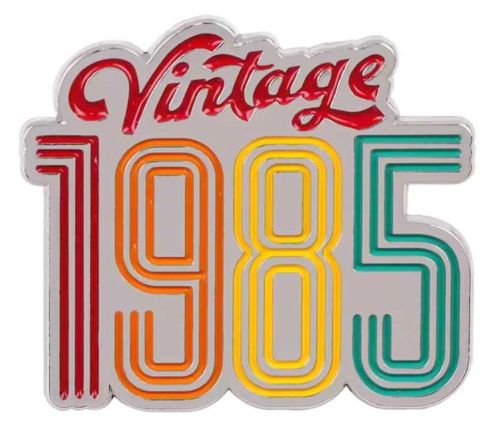
Custom pins have become a favored accessory and branding tool for organizations, artists, and collectors alike. However, one of the earliest and most important decisions you will face is choosing between soft and hard enamel for your pin project. Both options offer unique qualities that impact the look, feel, and longevity of your pins. For a deeper dive into the specifics, explore an in-depth comparison of Soft Enamel vs Hard Enamel.
 Understanding the distinct characteristics of soft and hard enamel can significantly affect your pin-making experience and final product. Whether you need an affordable, quick-turnaround option or a highly durable, premium collectible, knowing what each enamel type offers will help you select the right fit for your project and audience. Your choice also influences design possibilities, cost, and how the finished pins are perceived. Let’s explore the core differences to help you make the most informed decision for your next custom pin order. Beyond personal preference, industry standards and organizational needs often dictate enamel selection. Knowing the strengths of each enamel method can enhance not only the appearance but also the success of your marketing, commemorative, or artistic efforts.
Surface Texture
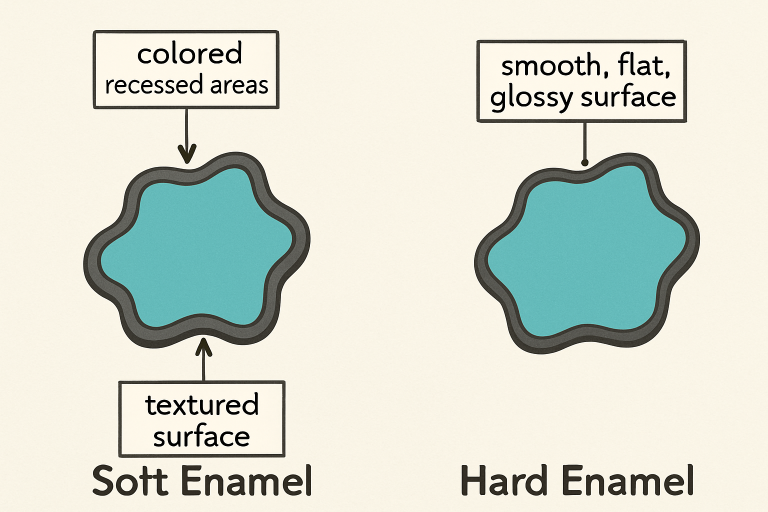
The most noticeable difference between soft and hard enamel is the feel and appearance of the pin’s surface. Soft enamel pins feature raised metal borders and recessed, color-filled sections. This creates a distinct texture, giving the pin a dimensional, tactile quality.
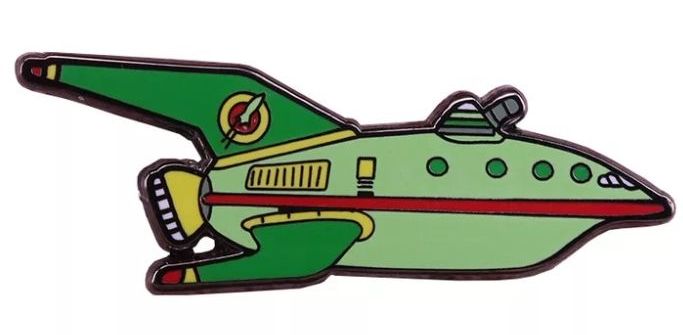
Many designers and collectors appreciate this tactile aspect of soft enamel because it highlights the metalwork and makes colors pop. Hard enamel pins, on the other hand, are produced by repeatedly adding enamel and baking each layer until the cavities are filled flush with the surrounding metal.
The surface is then polished to a mirror-like finish, so both the enamel and the metal are smooth and even. This process gives hard enamel pins a refined, jewelry-quality look that stands out for its sophistication.
Durability
Durability is a strong consideration, especially if the pins will be worn or handled frequently. Hard enamel pins are well-regarded for their stain- and scratch-resistance due to the extensive filling, firing, and polishing process. They retain their original brightness and resist daily wear, making them an ideal choice for uniform pins, collectibles that might change hands often, or items expected to last years. Soft enamel pins, while durable in their own right, can be more prone to scratching and color fading over time, especially if the raised metal lines catch on surfaces or the pins lack an additional protective epoxy coat.
Cost and Production Time
Production method and material cost directly influence how much you’ll pay and how quickly you’ll get your custom pins. Soft enamel pins are produced in fewer steps and generally take less time, making them typically more affordable than hard enamel pins. These factors make soft enamel a favorite for event pins, large promotional batches, or projects with limited budgets and short deadlines. Hard enamel requires multiple firings and significant hand-polishing, extending the production timeline and increasing overall costs. These differences aren’t just about dollars and days, though; they also affect how you approach your pin design and marketing strategies.
Design Complexity
 Both enamel pin types allow for high design intricacy, but there are subtle distinctions in how they render detail. Soft enamel pins showcase fine lines and bold colors exceptionally well. The recessed areas can be filled with vibrant, even translucent enamels, and designers sometimes add details with screen printing on top. This approach is particularly attractive for creative, multilayered artwork. Hard enamel, while visually stunning, may limit color matching and the ability to achieve extremely fine details due to the nature of glass-like enamels and extensive polishing. Artwork requiring crisp, narrow lines or photorealistic accuracy may be somewhat softened in the enameling process.
Best Use Cases
The best enamel type depends partly on the intended use and target audience of your custom pins:
- Soft Enamel: Perfect for large event handouts, fan merchandise, or any project where quantity and color are prioritized over ultra-premium finish. These pins showcase artwork’s texture and deliver quickly without straining your budget.
- Hard Enamel: Well-suited for lapel pins, awards, company insignia, or collectibles meant to convey lasting quality and prestige. Their durability and high-gloss finish reinforce their reputation as premium items.
Making Your Choice
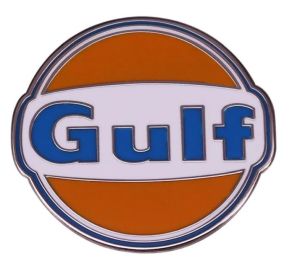 Selecting the right enamel comes down to assessing your specific needs. If your pins are going into collectors’ hands or will be worn daily, hard enamel offers a resilient, polished option. If vibrant colors or a unique textural effect are central to your design, soft enamel’s flexibility may be the better choice. Always consider the balance between appearance, function, budget, and turnaround time. When you weigh these considerations, you empower your project to achieve both aesthetic appeal and practical value for your audience. Useful advice on custom pin planning and production can also be found at Just Keyrings’ guide to soft and hard enamel.
Conclusion
Choosing between soft and hard enamel pins ultimately depends on your priorities for appearance, durability, cost, and design complexity. Soft enamel offers vibrant colors, textured surfaces, and faster, more affordable production, ideal for large events or promotional giveaways. Hard enamel offers a sleek, polished finish with exceptional durability, making it ideal for awards, collectibles, and long-lasting keepsakes. By understanding the unique qualities of each enamel type, you can make an informed decision that aligns with your project goals, ensures visual impact, and delivers lasting value to your audience.
Key Takeaways
- Surface Texture: Soft enamel gives a dimensional texture, while hard enamel provides a flat, glass-like finish.
- Durability: Hard enamel pins resist scratches and fading better than soft enamel pins.
- Cost and Production Time: Soft enamel is typically less expensive and quicker to produce.
- Design Complexity: Fine details and vibrant hues are often easier to achieve with soft enamel.
Discover more from
Subscribe to get the latest posts sent to your email.

Leave a Reply