
Beyond Humans: The Expansion of Fashion Identity to Pets
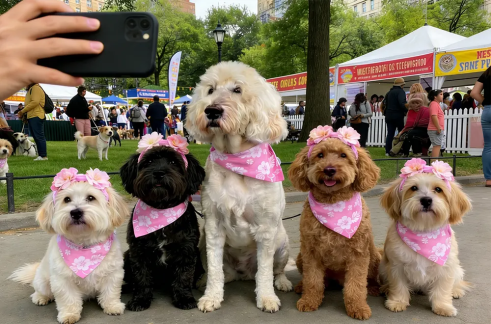
Fashion has long been a vehicle for personal storytelling. Clothes convey parts of our personality, our values and how we see ourselves culturally. This self-expression in recent years has not only been related to humans, extending even on our pets. From bandanas to bespoke collars, pets have become woven into the larger tapestry of style that speaks not just to their own “identity,” but also to their owners’ personalities.
The pet fashion boom is more than a trend — it’s a cultural moment. It demonstrates how garments and objects were once solely utilitarian tools, only to become emblems of identity, belonging and self-expression.
Designing Well: The Evolution of Fashion as Identity
They never were about just covering the body. Over the ages, clothes have been a form of communication. It is a signal of social status, profession or cultural affiliation. Personalization and customization settled into the core of this notion, enabling people to stand out in an ever more homogenized world.
As customization tools became easier to use, people started applying their sense of style to their sidekicks. Just as a person cultivates her wardrobe to reflect who she is, pets also started developing personalities through their clothes.
The Emergence of Pet Fashion
Historical Perspective
For centuries, animals have adorned themselves with decorative or practical accessories. The earliest examples of body art were protective coverings, ceremonial adornments, or objects indicating status or utility. They were mostly utilitarian, but, through the years, also came to have an aesthetic and symbolic function.
Modern Pet Fashion Industry
The pet fashion business has expanded itself wildly over the years, utilizing lifestyle branding, social media impact and growing emotional investment in pets to market its industries.
Pet clothing and accessories have evolved from practical items to stylish statements that serve as an expression of individuality, with clothes ranging anywhere from basic wear to a highly stylized persona.
For example, custom dog bandanas are no longer just a simple identification tool for your furry friend; they’re also his or her canvas to express creativity; new replicas and vibrant patterns appear along with personalized prints that match owner style.
About Why Pets Became a Part of Personal Style
Emotional Connection
As for many, pets are more than companions; they’re family. They want to illustrate that bond visually, which is what makes pet fashion so popular. Pets in curated outfits or accessories reinforce feelings of care, attention and emotional connection, which enhances the human-animal bond.
Social Identity and Representation
Pets have been turned into avatars of their owners’ personal identity. Coordinated looks between human and pet add low-key, but high-impact style statements. Whether on the stoops of their neighborhoods or in social spaces on digital platforms, these well-coordinated ensembles convey belonging, community and personality.
Influence of Social Media
Social media has helped spread this phenomenon, he said. Pet influencers, viral videos and lifestyle blogs featuring creative styling encourage owners to play with designs and coordinated looks. And the aesthetic nature of social sprinks fuel that fire, making even a basic item, like a bandana, with its own statement and suffixed-emotional association to show off.
These are Important Elements of Pet Fashion Identity
Apparel and Accessories
Collars, harnesses, bandanas and bespoke T-shirts have served as the vehicles for expressing pet identity. Though aesthetics matter, comfort and mobility are key factors as well, allowing pets to move freely while looking stylish. Material and fit are crucial factors; functional design and breathable fabrics all play a role.
Customization Trends
Personalized designs mean owners can represent their pets’ “personality” or even project their own identity onto the jacket. Custom prints, colors and patterns foster their own sense of individuality while at the same time placing pets within larger fashion narratives. This trend echoes that of human customization in clothing, where intrigue and narrative are compelling components.
Functional Meets Fashion
Some pet accessories also double as a decoration of the room. For example, a bandana can keep you warm, identify a pet or shield against sun exposure while also functioning as a fashionable accent. This balance of function and fashion is a hallmark of modern pet style.
4inlanyards provides a twist to this evolution by delivering customized dog bandanas that pair high-quality fabrics with your design of choice until it becomes the perfect fusion of functionality and creative outlet. They enable pet owners to express some serious self-identity while making sure their animals stay comfy and chic.
Cultural and Psychological Drivers
Humanization of Pets
Anthropomorphism — the ascription of human characteristics to animals — is a big part of why pet fashion has taken off. Clothing and accessories allow pet owners to project all sorts of emotions, identities and style preferences onto their animals. Basically, pets become companions in personality expression.
Community and Belonging
Pet fashion fosters community. The matching outfits worn to events, parks or for social media give them a sense of belonging. These visual signals of group membership signal personal and collective identity among owners found in ethnographic studies where immersion into the subculture is evident.
Ethical and Practical Considerations
If pet fashion is about expression, it’s also about responsibility. Clothing must not restrict a pet’s movement, vision or natural behavior in any way. The materials should be safe and breathable, and appropriate for the animal’s size and activity level. The role of aesthetics is balanced with comfort and this makes fashion positive and ethical.
New Riche in the Broader Fashion Culture
Pet fashion is a microcosm of broader trends in the human fashion ecosystem. In an era when personalization is a defining theme in style, pets have become natural participants. Accessories such as bandanas, collars and harnesses are influenced by human fashion trends, and serve to make the point that style is not species-defined — it’s a medium for storytelling making, connection and identity.
This expansion of identity into pets also inspires designers and lifestyle brands to approach personalization more holistically, merging human and animal fashion in creative ways.
Looking Ahead: The Next Chapter of Fashion Identity
As more and more people value their pets as members of the family, expect the future of pet fashion to focus on customization, sustainable design practices, and incorporation into human fashion trends. New developments in technology and digital printing enable ever more creative expressions, while continued vigilance about comfort and safety keeps pets front and center of the equation.
As fashion changes to accommodate lifestyle-and-identity-related considerations, pets are bound to assume an increasingly central position on style narratives. Accessories and apparel are more than functional; they’re vessels for personality, culture and emotional connectivity.”
Fashion was all about pets, a fascinating cultural phenomenon. It is an expression of deeper human needs for connection, self-expression and creativity. Pet fashion is literally material itself, as the animals themselves become actors in narrative by bridging the gap between personal and shared style.
Pet fashion proves, through thoughtful customization, functional design and aesthetic invention, that style is a universal language. Platforms such as 4inlanyards showcase this phenomenon, providing owners unique ways to creatively channel personality through their pets and prioritize comfort and function.
The real lesson here, ultimately, is the one that transcends garment: That fashion is about what we wear but also whom we wear it with; clothing and accessories help us tell a story to ourselves and our companions about who we are.
Discover more from
Subscribe to get the latest posts sent to your email.

Leave a Reply