
Planning Road Trips That Work for Everyone in the Car
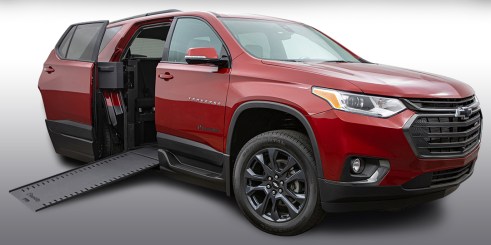
Start with the vehicle. Not the destination, not the route. The vehicle. Get that wrong and every other decision becomes harder than it needs to be. Space for a wheelchair, a ramp rated for actual use, restraints built for transit: standard cars miss all three. Long journeys in the wrong vehicle aren’t uncomfortable. They’re dangerous.
Converted vans solve this. Ramps or lifts, secure restraint systems, interiors designed around wheelchair access without cutting passenger comfort. Pre-owned models carry the same functionality at a lower price point, relevant for households working with fixed budgets. The problem is knowing which converted vehicle is actually ready for a long trip and which one just looks like it is.
Ramp types, weight ratings, safety certifications, in-vehicle technology, route planning: this piece covers each in turn.
Why Accessible Road Trips Require Different Planning
Tens of millions. That’s how many adults in the United States live with mobility impairments. For their families and caregivers, accessible trip planning isn’t a one-off problem to solve. It shows up before every journey.
Standard cars don’t work. No low floor entry, no boarding ramp, no restraint system rated for highway transit, gaps that become clearer when looking at wheelchair accessible vehicle regulations in the UK and how purpose-built vehicles meet requirements standard cars simply don’t.
ADA requirements cover interstate rest areas. Compliance is a different matter. Some stops deliver wide bays, fully accessible restrooms, paved paths. Others hit the legal floor and stop there. Check ahead using AccessNow or state transportation websites. Finding out a planned stop doesn’t work costs time nobody built into the schedule.
Choosing the Right Vehicle for Wheelchair Access
Rear-entry models load cleanly in standard parking spaces. Side-entry versions are faster when an accessible bay opens up. Neither is universally better. Which one matters depends entirely on where and how the vehicle gets used most.
Specialist dealers carrying used WAV vehicles stock Q’Straint four-point restraint systems, electric-assist winches rated to specific load capacities, aluminium folding ramps with anti-slip surfaces, and certified inspection records. Certified used wavs go through a full inspection before sale. A ramp that passed a visual check but has never been load-tested is a liability. First-time buyers underestimate how much that distinction matters until something fails mid-trip.
Weight capacity is the specification most buyers skip. The ramp rating needs to exceed the combined weight of the wheelchair and passenger. Not match it. Exceed it. Boarding adds dynamic load the static figure doesn’t account for. That buffer is what keeps the ramp functional across hundreds of uses, not just the first ten.
Evaluating Safety Features Before Your Trip
Four-point tie-down systems must meet federal motor vehicle safety standards. FMVSS 222, specifically. Before departure: check every strap for fraying, every anchor bolt for tightness, every D-ring for deformation, reflecting the standards seen in vehicle adaptations for disabled drivers in the UK where secure restraint and structural reliability are non-negotiable. Each point holds through emergency braking at speed. Webbing that looks intact but has lost tensile strength internally is not a system worth trusting on the highway.
Run the ramp through its full range and put real weight on it. Shaking under load? Doesn’t fully clear the ground? Surface traction worn smooth? Work needed before anyone boards. Mud and moisture strip grip from aluminium ramp surfaces faster than most people expect. A stiff brush and a dry cloth in the vehicle takes thirty seconds per stop and prevents incidents.
Backup cameras and parking sensors matter more on converted vehicles than on factory models. Rear-end modifications shift sightlines in ways the original chassis wasn’t built for. Verify the camera gives a clean view at bumper height. Confirm the sensors pick up objects at close range. Accessible parking bays leave maybe thirty centimetres of margin. Guesswork doesn’t fit.
Mapping Routes with Accessibility in Mind
Plan before leaving the driveway. AccessNow and Wheelmap both let travellers pull accessibility ratings for rest stops, fuel stations, and restaurants along a planned route, using tools like a wheelchair accessible places map to reflect actual conditions on the ground. Community-submitted reviews show what to expect in practice. Official listings optimise for compliance language. Use the reviews.
Space fuel stops to allow genuine loading and unloading time without pressure building at the ramp. Rushing is how straps get skipped and ramps get forced. Mark hospitals along the route too. Particularly if the wheelchair user relies on a power chair with a 45Ah lithium battery that doesn’t like rural Texas in August. A failure three hours from the nearest service centre is a different category of problem from one near a city exit.
State parks are worth building into accessible itineraries. Surfaced trail widths of 1.5 metres minimum, step-free access, marked restroom facilities: many parks now publish full accessibility audits online before you visit. Hilton and Marriott both maintain filterable databases of ADA-compliant rooms with 36-inch doorways, roll-in showers, and lowered beds. Book accessible rooms first. They go before the standard inventory does.
Preparing for Common Road Trip Challenges
Pack a second battery before leaving. Not as a contingency. As standard kit. Battery performance on a 24V power wheelchair drops measurably below 10°C and above 35°C, something reflected in real-world data on power wheelchair battery range and performance across varying conditions. Both of which show up on a cross-country route without warning. Rural charging infrastructure is inconsistent. A spare 12Ah backup removes the biggest single variable on a long drive.
Inspect tie-down straps before each leg of the journey. Frayed webbing and loose cam buckles don’t fail loudly. They fail quietly, at the worst possible moment. Replace worn straps before departure. Not after one more trip. Not after checking them again tomorrow. Before.
Temperature hits ramp hydraulics and battery cells differently but simultaneously. Check the full route forecast, not just the departure point. AAA covers wheelchair accessible vans under most roadside assistance plans, but confirm this in writing before the trip starts. Not every dispatch centre knows how to handle a converted vehicle. Find out from a phone call, not from a breakdown on I-40.
Emergency Preparedness Checklist
Keep contact details for wheelchair repair specialists in each state on the route, saved to the phone, printed as backup. Equipment failure mid-trip is manageable when the next call is already decided. Pack spare tie-down straps and a basic ramp maintenance kit: a stiff brush, silicone lubricant for the hinge pins, a spare D-ring. Small. Important three states from home.
A printed list of accessible urgent care centres along the route cuts decision time when something goes wrong at 9pm in an unfamiliar city. If the primary chair fails, a secondary mobility aid keeps the trip from collapsing entirely. A basic manual chair works. It’s not comfortable. It works. Photograph every piece of accessibility equipment on the vehicle before departure: ramp, restraints, winch, floor anchors. Insurance claims move faster with timestamped documentation. Accommodation requests do too.
Accessible road trips don’t come down to luck. They come down to preparation and the right vehicle doing its job without compromise. When space, safety, and reliability are handled upfront, the rest of the journey becomes manageable. Fewer unknowns. Fewer risks. The focus shifts from solving problems on the road to actually enjoying the time together.
Discover more from
Subscribe to get the latest posts sent to your email.

Leave a Reply