
How Safe Are Our Roads? Trends and Tips for Drivers

Ensuring the safety of our roads remains a vital concern for communities, policymakers, and everyday drivers. With evolving technologies and shifting traffic patterns, it is important to regularly assess just how safe our roads are and what steps can make them safer. Whether you are commuting daily or planning a longer journey, knowing current statistics and best practices can help you stay secure behind the wheel. For those seeking legal assistance after an accident, a personal injury attorney can provide valuable guidance.
The ongoing challenge to improve safety affects everyone. Recent trends show progress due to better technology and greater awareness, but there are still significant risks present on American roads. Understanding these trends and knowing how to protect yourself and others is crucial for anyone behind the wheel today.
Current Road Safety Statistics
According to recent traffic reports, the United States saw a 6.7% decline in roadway fatalities in 2025, bringing the estimated number of deaths to 36,640. The most dramatic progress was with pedestrian fatalities, which dropped by nearly 11%. These figures represent the most significant year-over-year improvements in over a decade. Safety advocates credit enhanced automotive features and expanded public education for these reductions. Yet, the U.S. continues to report higher roadway fatality rates compared to other developed nations, highlighting the need for persistent efforts and updated strategies.
Despite the overall positive trends, agencies like the National Highway Traffic Safety Administration note that distracted and impaired driving, as well as speeding, remain leading contributors to fatal accidents. Ongoing policy efforts and local enforcement play crucial roles in promoting safer roads, but individual drivers’ actions are just as important. For more details on yearly crash data and safety trends, resources like NHTSA’s Fatality Analysis Reporting System provide detailed insights.
In addition, the types of accidents occurring have begun to shift, with increases in certain categories like collisions involving larger vehicles and those linked to urban congestion. As our cities grow and infrastructure adapts, the risk profile changes.
It is increasingly important to consider regional differences and localized risk factors, which can often dictate the effectiveness of safety initiatives.
Furthermore, demographic trends, such as an aging population or increases in young drivers, can impact how resources are allocated for maximum safety gains.
Impact of Vehicle Safety Technologies
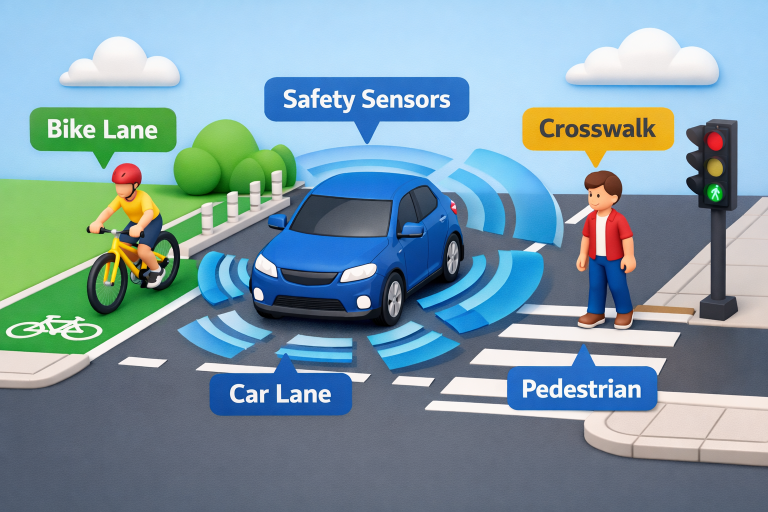
New safety technologies in vehicles have proven effective at reducing collisions and limiting insurance claims. Features such as automatic emergency braking, adaptive cruise control, and lane departure warning systems are standard in more vehicles each year. According to a recent report from the Insurance Institute for Highway Safety (IIHS), cars equipped with these technologies are significantly less likely to be involved in certain types of accidents.
Even with these advancements, there are some ongoing concerns. Certain safety systems, such as night-time automatic emergency braking, have not yet reached full effectiveness. Regulatory bodies are working to refine testing standards so that consumers know what to expect. Another issue is the financial hurdle; as car prices rise due to these technologies, some drivers keep older, less safe vehicles on the road for longer, making equitable access to safety improvements a policy priority.
Additionally, manufacturers frequently release over-the-air updates to improve these systems. Consumers are encouraged to keep their vehicles’ software up to date to ensure all available safety features function optimally. Cooperating with nationwide recall efforts and participating in manufacturer-sponsored safety checks can also lead to an overall improvement in road safety outcomes, benefiting not only individual drivers but larger communities as well.
Importance of Driver Awareness
Enhanced vehicle technology cannot eliminate human error, which remains a primary cause of road accidents. Disorganized, distracted, or impaired drivers are a persistent risk to themselves and others. Distractions such as mobile phone use, eating, or adjusting in-car entertainment are common causes of crashes. According to the Centers for Disease Control and Prevention (CDC), at least nine people die, and over 1,000 are injured daily in the United States due to distracted driving.
Besides distractions, speeding and substance impairment also play a significant role in roadway fatalities. Consistent education on these subjects, as well as the regular enforcement of penalties, are key strategies to promote attentive and responsible driving. Each motorist can help by actively choosing to minimize distractions, obey speed limits, and always drive sober.
It’s also helpful for drivers to participate in defensive driving courses or refresher programs, which can help reinforce good habits and raise awareness of new risks. Regular self-evaluation of one’s driving behavior, along with actively observing the driving patterns of those around you, contributes to a safer environment for everyone. Keeping up with local road safety campaigns can motivate individual responsibility and community-wide improvements in driver conduct.
Pedestrian and Cyclist Safety
Vehicle occupants have benefited from decades of design advancements, but non-motorists have seen fewer gains in safety. In fact, despite recent progress, the rate of pedestrian and cyclist deaths has often been climbing. Advocates are calling for more comprehensive infrastructure solutions, such as protected bike lanes, pedestrian-only intersections, and “complete streets” designs that ensure all users are considered, not just drivers.
Urban areas in particular have seen success when these ideas are put into action. Cities implementing these measures frequently report lower fatality rates and overall improved safety for vulnerable users. Incorporating physical barriers, improved street lighting, and better signage are practical steps cities can take to safeguard pedestrians and cyclists, according to resources like the New York City Department of Transportation’s Street Safety Tips.
Tips for Safer Driving
There are immediate and effective steps you can take to contribute to safer roads:
- Buckle Up: Always wear your seat belt and ensure everyone in your vehicle does the same.
- Drive Sober: Never drive under the influence of alcohol or drugs. If impaired, arrange for alternative transportation.
- Stay Alert: Eliminate distractions such as texting, eating, or reaching for in-car devices while driving.
- Obey Speed Limits: Adjust your speed based on traffic flow, road conditions, and weather.
- Be Mindful of Vulnerable Road Users: Look out for pedestrians and cyclists, especially in areas with high foot or bicycle traffic.
- Maintain Regular Vehicle Checks: Ensure that your vehicle is in good working order, from brakes and tires to all onboard safety systems. Proactive maintenance prevents avoidable accidents.
Adopting these habits on every drive sharply reduces the risk of accidents and keeps everyone safer.
Conclusion
While America’s roads have become safer overall, ongoing vigilance and improvement are needed to maintain and increase safety. Combining advanced technology, informed driver behavior, equitable street design, and continued public education is the path forward. By implementing safe driving habits and supporting comprehensive road policies, everyone can play a meaningful role in reducing risk and saving lives.
Road safety is not a one-time achievement, but an ongoing commitment by every stakeholder—drivers, passengers, pedestrians, lawmakers, and city planners alike. Only through collaboration and a sustained focus on improvement can long-term progress be realized. Let’s all strive to make every journey a safe one.
Discover more from
Subscribe to get the latest posts sent to your email.
