
How to Curate and Protect Your Own Premium Australian Wine Collection

The Australian wine landscape has shifted significantly in recent years. Driven by a cultural movement that industry experts refer to as premiumisation, domestic consumers are increasingly choosing quality over quantity. The 2025 State of the Grapes report, published jointly by Wine Australia and Endeavour Group, highlights that while overall alcohol consumption volume has decreased, active investment in high-value, premium bottles is experiencing a remarkable surge. People are no longer just buying wine for the weekend. They are purchasing carefully selected vintages to hold, age, and appreciate over decades, viewing each bottle as a piece of liquid history. The overarching narrative of Australian wine has evolved from bulk production to artisanal excellence, cementing its reputation on the global stage.
This transition from casual enthusiast to serious collector is visible across the country. Today, a growing number of culinary lovers are looking at premium domestic vintages as tangible assets that appreciate in both structural complexity and financial value.
Global market analyses from late 2025 reinforce this trend, indicating that streamlined global trade routes have elevated the international investment profile of high-end Australian producers. Boutique estates from Western Australia to regional Victoria are now competing aggressively with heritage European producers on the secondary market. In early 2024, online fine wine auctioneers reported climbing international prices for premium Australian releases, highlighted by a single 1982 bottle of Penfolds Grange fetching 751 euros under the hammer.
For those looking to transition from enjoying a great glass with dinner to curating a personal cellar, the process requires a blend of market knowledge, viticultural understanding, and reliable wine storage logistics. Properly managing these elements is the difference between a disappointing, spoiled beverage and a highly coveted, beautifully matured asset.
Selecting Your First Investment-Grade Bottles
Building a premium wine collection begins with understanding which producers have a proven track record of quality and longevity. A highly reliable roadmap for new collectors is the Langton’s Classification of Australian Wine. The eighth edition of this prestigious ranking system, released in late 2023, streamlined its classifications to feature a highly curated list of just 100 benchmark wines across 60 premium wineries. This tier system helps remove the guesswork for beginners, pointing directly to estates that consistently produce spectacular, age-worthy results year after year. The meticulous classification process reviews ten years of vintage releases and secondary market performance, ensuring that only the most consistent performers make the final cut.
South Australia currently leads the Langton’s Classification with 38 featured wines, driven largely by the sustained secondary market dominance and investment value of Barossa Valley and Eden Valley vintages. Renowned names like Henschke and Torbreck continue to command premium prices. However, collectors are increasingly looking beyond traditional heavy red wines. Margaret River’s Leeuwin Estate Art Series Chardonnay was recently awarded the rare first classified designation. This solidifies its reputation as a world-class collectible that competes with the finest global white wines from Burgundy. Similarly, the Bass Phillip Reserve Pinot Noir from Gippsland has emerged as a top-tier investment-grade wine. Its extreme scarcity, old-vine pedigree, and low-intervention winemaking techniques make it highly sought after by international buyers, illustrating the immense breadth of Australia’s fine wine capabilities.
When you are ready to acquire your first investment-grade bottles, it is incredibly helpful to browse through trusted local wine recommendations to discover which boutique vineyards are currently releasing highly rated seasonal picks.
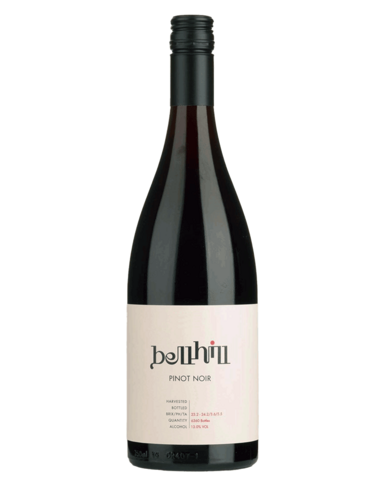
Staying informed about regional vintage reports allows you to secure allocations from top-tier estates like Best’s in Great Western or Bindi in the Macedon Ranges before they sell out. These producers have achieved top-echelon status by rewarding decades of consistent vineyard governance with proven tradability on the secondary market.
The Viticultural Science Behind Maturation
Once you have sourced exceptional bottles, understanding the science of how wine ages is the next critical step. A fine wine is a living, breathing chemical structure that continues to evolve long after the cork is inserted. Over time, phenolic compounds like tannins and anthocyanins bind together in a process known as polymerisation. This process softens harsh textures and creates a silky, mellow mouthfeel while allowing secondary and tertiary aromatic notes to develop. However, the exact trajectory of that evolution is entirely dependent on the environment in which the bottle is kept.

Climate challenges are making this environmental control more important than ever. Wine Australia’s latest climate atlas indicates that all 71 of the nation’s wine regions are actively adapting to hotter, more unpredictable conditions. Rising average daily temperatures across Australia have compressed regional harvest seasons, altering the physiological development of the grapes. Because of these changes in the vineyard, strictly regulated post-bottling maturation has become absolutely critical for preserving delicate flavour profiles.
To ensure a wine reaches its peak drinking window without spoilage, it must be kept in highly specific conditions. According to the Institute of Culinary Education, a constant storage temperature of approximately 55 degrees Fahrenheit and roughly 70 percent humidity is the optimal environment for protecting and developing a wine as it ages. These exact parameters keep corks hydrated and intact, properly regulating the microscopic oxygen ingress that guides a wine’s structural evolution from vibrant youth to mellow complexity.
Why Professional Climate Control is Non-Negotiable
Maintaining these ideal conditions is incredibly difficult in a standard residential property. Because Australian summer weather patterns are becoming more erratic and intense, standard ambient home storage is highly susceptible to thermal fluctuations. Even a few days of elevated temperatures in a home closet or standard kitchen fridge can rapidly ruin a fine wine’s structural evolution, prematurely oxidising the liquid and flattening its aromatic bouquet.
The concept of keeping wine under the stairs is romantic, but practically, it is a recipe for disaster.
The delicate heat sensitivity of Australian wine highlights the need for rigorous preservation methods. Viticultural studies have shown that even sun-exposed grapes still on the vine can become 15 degrees hotter than shaded ones in the very same row. Once the wine is fermented and bottled, it remains just as susceptible to thermal damage. To combat climate shifts and protect premium viticulture at the source, the Sustainable Winegrowing Australia program rapidly expanded to encompass nearly 100,000 hectares of vineyards by late 2024. But all of that careful agricultural work is wasted if the end consumer improperly stores the bottle.
Beyond temperature, fine wine is also highly sensitive to ultraviolet light and microscopic vibrations. Continuous exposure to light can degrade organic compounds, resulting in a fault known as light strike, which leaves the wine smelling resembling damp cardboard. Vibrations from household appliances or nearby traffic can agitate the sediment in older bottles, speeding up chemical reactions and cutting a wine’s lifespan short. Rather than risking irreversible damage in a makeshift home cellar, many serious collectors turn to dedicated professional facilities to safeguard their valuable acquisitions. Utilising a purpose-built, climate-controlled environment ensures that the strict temperature, humidity, light, and vibration parameters are maintained year-round. This provides total peace of mind for collectors, offering museum-quality preservation without the immense financial burden and architectural hassle of building a private subterranean cellar at home.
Essential Steps for Curating a Well-Rounded Cellar
Building a collection that is both financially valuable and deeply enjoyable requires a strategic approach. While buying what you love to drink is the golden rule, applying a few foundational collecting principles will ensure your cellar matures gracefully and remains an exciting asset. Over time, your tastes may evolve, making a diversified approach crucial for long-term enjoyment.
Consider the following steps when planning your acquisitions:
- Purchase in Cases: Whenever possible, buy investment-grade wines in multiples of three or six. This allows you to open a bottle every few years to taste the structural evolution of the vintage, while leaving the remaining bottles to appreciate in value and complexity.
- Diversify Your Portfolio: A robust collection balances different regions, varietals, and drinking windows. Do not just stockpile heavy Barossa Shiraz. Mix in elegant cool-climate Pinot Noir from the Yarra Valley, age-worthy Hunter Valley Semillon, and premium Margaret River Cabernet Sauvignon to ensure you always have the perfect bottle ready for any culinary occasion.
- Track Your Drinking Windows: Every premium wine has an optimal peak drinking window. Use cellar management applications or consult with your merchant to map out exactly when each bottle should be opened, ensuring nothing is left to accidentally turn to vinegar.
- Maintain Meticulous Provenance: Keep detailed records of your purchases, including original receipts, tasting notes, and storage history. Provenance is everything in the fine wine market. If you ever decide to sell a portion of your collection at auction, documented proof of professional climate control will significantly increase the hammer price.
- Insure Your Assets: Once your collection grows beyond a few dozen premium bottles, it represents a significant financial asset. Ensure your cellar is covered by a specialised insurance policy that protects against breakage, loss, or transit damage, giving you ultimate peace of mind.
The journey of curating a premium Australian wine collection is a highly rewarding endeavour that deepens your appreciation for the country’s rich agricultural heritage. In late 2025, the 100 Best Australian Wines 2026 initiative was formally showcased in the United Kingdom to international buyers, celebrating the exceptional age-worthiness, collectability, and unique terroir of elite modern Australian vintages. By selecting the right producers, understanding the science of maturation, and relying on professional preservation solutions, you can build a personal cellar that captures the very best of this flourishing industry. Whether you are opening a decades-old Shiraz to celebrate a major milestone or passing down a valuable portfolio to the next generation, a carefully curated wine collection is an investment that yields unmatched sensory and financial returns.
Discover more from
Subscribe to get the latest posts sent to your email.
