
How to Ensure a Smooth Water Heater Installation for Reliable Hot Water
Key Takeaways
- Know the signs that indicate it is time to replace your water heater.
- Familiarize yourself with the available water heater types and their benefits.
- Prioritize safe installation practices and understand local building requirements.
- Take energy efficiency and cost into account when making your selection.
- Understand the benefits of hiring professionals over a do-it-yourself approach.
Ensuring a reliable supply of hot water is essential for daily comfort and convenience. When planning a water heater upgrade, understanding the installation process can help you make informed decisions and prevent costly mistakes. Whether you are replacing an old unit or installing a brand-new system, being aware of potential challenges from the start will help ensure a hassle-free project. For those considering a Kingston home hot water upgrades, knowing what to expect can provide further confidence in your choices.
New water-heating technologies offer greater efficiency and performance. However, optimal results depend not only on product selection but also on proper installation, safety, and ongoing maintenance. Acting early and following best practices makes all the difference, leading to improved comfort and reduced utility costs.
Recognizing the Right Time for Replacement
All water heaters have a limited lifespan, typically 8 to 12 years, depending on usage, quality, and maintenance. Warning signs such as irregular water temperature, visible leaks near the base, rusty or cloudy water from your taps, or unusual rumbling noises can all signal that your water heater is nearing the end of its service life. Planning a replacement before a breakdown ensures your hot water supply stays uninterrupted and lets you take your time researching options rather than reacting in an emergency.
Choosing the Right Type of Water Heater
Choosing the best replacement involves weighing your household’s needs, budget, and the characteristics of each water heater type. There are three primary categories to consider:
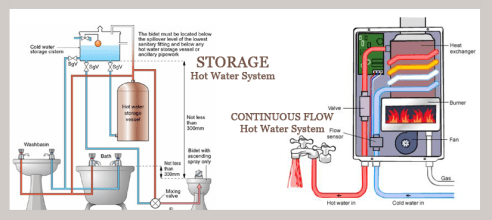
- Tank Models: Commonly found in many homes, these store and heat a large volume of water in a tank, providing a consistent supply for larger families and high-demand use.
- Tankless Models: Also known as on-demand heaters, these heat water only when needed, making them energy-efficient, space-saving, and suited to smaller homes or eco-friendly households.
- Hybrid Systems: These combine features of tank and tankless systems and often incorporate technologies such as heat pumps, further increasing efficiency.
The size and design of your home, hot water usage habits, and your goals for efficiency will all help determine which system is best for you. For more detailed insights on choosing the right water heater, Consumer Reports offers a comprehensive buying guide.
Understanding Installation Requirements and Safety Measures
Water heater installation is more complex than it may seem. It involves a combination of plumbing, electrical, and sometimes gas work, each of which must adhere to strict safety standards and municipal codes. Key considerations include:
- Securing any necessary permits to comply with local authority regulations.
- Ensuring proper venting for gas water heaters to prevent dangerous carbon monoxide buildup.
- Making watertight and airtight connections to prevent leaks of water and gas.
- Fitting an expansion tank in closed-loop plumbing systems to safely accommodate pressure changes.
Improper installation can result in severe problems. Water damage, increased energy consumption, gas leaks, and even electrical hazards may follow mistakes during the installation process. Homeowners should be aware of local code requirements and the importance of hiring licensed professionals when necessary.
Considering Energy Efficiency and Cost Implications
Energy efficiency has advanced significantly with newer water heater models. Modern units feature better tank insulation, high-efficiency burners, and innovative heat exchangers to minimize heat losses and lower operational costs. Reviewing the Energy Factor (EF) or Uniform Energy Factor (UEF) rating for each prospective unit is crucial, as these ratings directly affect efficiency and ongoing expenses. While high-efficiency models may cost more upfront, substantial long-term savings in energy bills can offset this initial investment.
Professional Installation vs. DIY
Some homeowners may be tempted to install their water heater themselves, especially if they are handy with tools. While self-installation can save on labor costs, it is important to weigh these savings against the risks. Professional installation guarantees that your system will meet all code requirements, ventilate safely, and have all electrical and gas connections properly sealed. Incorrect installation—such as a loose joint or a missed valve may not cause immediate problems, but could lead to water or gas leaks and even void the manufacturer’s warranty. For peace of mind and assurance, relying on a professional is the safest route for most homeowners.
Post-Installation Care
To ensure your new water heater works efficiently for as long as possible, ongoing maintenance is essential. Tank systems should be flushed at least once a year to remove mineral buildup that can affect performance. The anode rod in the tank should be checked every couple of years and replaced if it is corroded to prevent tank deterioration. Tankless systems need periodic descaling, particularly in areas with hard water. Regularly checking your unit’s temperature settings helps reduce unnecessary energy consumption while maintaining comfort.
Maintaining proper water quality also plays a role in extending the life of heating components, especially in areas prone to mineral accumulation. Homeowners looking to protect their plumbing infrastructure can review more options for water conditioning solutions to help keep their new equipment operating smoothly for years.
Looking Ahead: Water Heating Technology Trends
Recent advances in smart home technology are making their way into water heating systems. Newer units offer app-based monitoring, which allows homeowners to track usage, adjust settings remotely, and detect potential issues before they become serious. Planning for flexibility in your installation today will make it easier to accommodate such future upgrades when you are ready to invest in the latest innovations.
Approaching water heater installation as a proactive upgrade, rather than a last-minute necessity, puts you in control of your comfort, safety, and long-term costs. Being well-informed allows you to make strategic choices that safeguard your home’s hot water supply for years to come.
Discover more from
Subscribe to get the latest posts sent to your email.
