
The Developmental Benefits of Water Play for Babies and Toddlers
Introducing babies and toddlers to water play opens the door to a wealth of developmental advantages. Engaging in water activities does more than entertain; it helps support physical, cognitive, and social growth in meaningful ways. Early experiences with water, such as exploring the bath or spending time at the pool, can lay the foundation for strong skills in children. For parents and caregivers seeking guided instruction, exploring baby swim lessons can further enhance water confidence and developmental benefits.
Water play is not just enjoyable; it stimulates multiple areas of child development, letting young children learn, move, and interact in a unique environment. Even simple activities like pouring or splashing can nurture essential skills, helping children to process sensory information and solve problems. Beyond the fun, water play also gives families opportunities to bond while helping children build healthy routines around physical activity and exploration.
Physical Development
Water play presents a natural setting for developing gross and fine motor skills in babies and toddlers. Movements such as splashing, pouring, and kicking in the water activate multiple muscle groups. The resistance of water offers a gentle challenge that helps develop strength, balance, and coordination. According to experts at HealthyChildren.org, water-play activities help children develop fundamental motor skills that support lifelong physical activity. Navigating the slippery setting while playing also improves reflexes and agility safely, as water can cushion falls.
Sensory Integration
Water play stimulates a child’s senses in rich, varied ways. The variety of temperatures, sounds, and sensations that water provides helps children learn to process and integrate sensory input. Whether children are feeling cool droplets, listening to splashes, or experiencing the pressure of submerging hands, water play supports the development of sensory pathways in the brain. Sensory integration is crucial for learning, attention, and emotional regulation as children grow. Through water exploration, babies and toddlers refine their ability to react appropriately to sensory stimuli, which can be especially beneficial for children who are sensitive to touch or sound.
Cognitive Growth
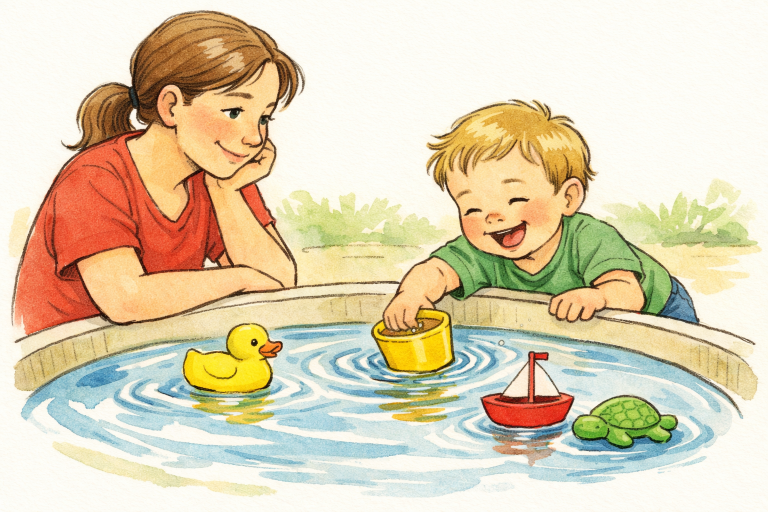
Water play encourages exploration and learning by inviting children to experiment with different physical properties. Activities such as scooping, pouring, and watching items sink or float introduce concepts like volume, cause and effect, and the properties of materials. By manipulating water and its tools, children exercise problem-solving and reasoning skills. These open-ended experiences help establish the foundation for logical thinking and scientific understanding. Observing how water moves, noticing temperature changes, and guessing which toys float are simple yet powerful ways for children to make predictions and learn about their world, skills that are crucial for academic readiness.
Social and Emotional Benefits
Participating in water play with other children offers important social learning opportunities. Young children practice cooperation as they share toys, take turns, and create games together in a water setting. This fosters communication and the ability to work within a group, enhancing social-emotional development. Water play can also be very soothing, providing a calming effect that helps children manage stress and self-soothe after a challenging moment. Studies have shown that sensory play, including water activities, can reduce anxiety behaviors and increase positive social interaction in early childhood environments. For more on the role of play in emotional health, see the research from The New York Times.
Water Safety Awareness
Introducing water play to children provides early exposure to water in a supervised, controlled setting, laying the groundwork for water safety awareness. Children who become familiar with water environments from infancy are less likely to fear water and more likely to follow safety rules as they grow older. The American Academy of Pediatrics emphasizes the importance of swim lessons as part of a layered, safe approach to drowning prevention for children ages 1 to 4. Families can foster a healthy respect for water by reinforcing simple rules, such as always having an adult present and never running near pools.
Recommended Water Activities
- Bathtub Play: Setting up fun toys, cups, and floating items can transform bath time into a creative sensory experience. Babies and toddlers can practice gripping, squeezing, and pouring, which helps fine motor development.
- Water Tables: These tables allow children to stand and explore water using tools, cups, and scoops, encouraging experimentation with movement and flow.
- Sprinkler Fun: Running and jumping through sprinklers adds movement and builds gross motor coordination while keeping children cool outdoors.
- Pool Time: Visiting a shallow pool under supervision builds water confidence and prepares children for swimming. Parents or instructors can support babies and toddlers as they gently kick and float in the water.
Safety Precautions
Active supervision is essential during all water play activities. Caregivers should always remain within arm’s reach and keep the environment hazard-free. Pay attention to water temperature to prevent burns or chills, and avoid using floatation devices not recommended by safety organizations, such as inflatable neck rings. The U.S. Food and Drug Administration has issued warnings about the safety risks of such devices in infants, reaffirming the need for constant adult supervision. For more guidance on water safety, visit CDC Drowning Prevention.
Conclusion
Water play is a valuable component of early childhood experiences, offering more than entertainment. It strengthens physical skills, supports cognitive and sensory development, and fosters emotional well-being and social abilities. With consistent safety measures and positive guidance, introducing babies and toddlers to water activities can provide lifelong benefits, building happy, healthy, and confident children who are ready to explore their world.
Discover more from
Subscribe to get the latest posts sent to your email.
