
Easy Window Upgrades for a Brighter, Calmer Home
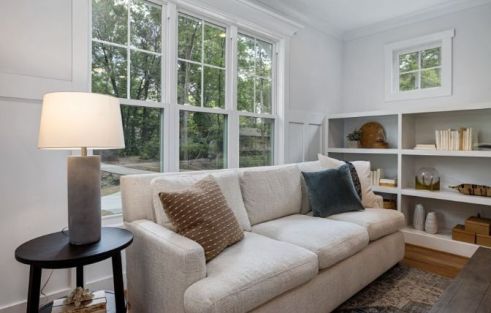
Windows do far more than frame a view. They influence how bright a room feels, how much outside noise reaches you, and how hard your heating and cooling system must work. For homeowners in Palmdale, when windows are old, damaged, or inefficient, a property can feel drafty, dark, noisy, and dated. Replacing them is one of the most practical upgrades a property owner can make because it improves comfort, appearance, and daily function without requiring a full remodel.
Why windows matter
Good windows shape everyday life in subtle but important ways. Natural light can make rooms feel larger, warmer, and more inviting. Better insulation helps maintain a steadier indoor temperature, reducing hot spots in summer and chilly areas in winter.
Windows also affect sound control. If traffic, barking dogs, or neighborhood activity constantly interrupts your peace, newer windows can help reduce that noise. They also influence curb appeal. Fresh, well-chosen windows make a house look maintained and intentional, while worn ones can make it seem neglected.
If you are comparing options, working with a Palmdale window company can help you evaluate upgrades that fit your home and budget. The right replacement improves not only how your home looks from the street, but also how it feels to live in every day.
Signs it’s time to replace old windows
Old windows usually provide clear warnings when they are no longer doing their job. Drafts are one of the most common signs. If you feel cool air near a closed window, the frame or seal may be failing. Windows that stick, jam, or are difficult to open are another strong clue, especially when simple operation has become a struggle.
Noise can reveal problems as well. If passing cars or outdoor conversations sound unusually loud indoors, your windows may no longer be insulating effectively. Condensation trapped between panes often means the seal has failed, which reduces both visibility and energy performance.
There may be visual clues too. Fading rugs, curtains, or furniture can suggest that too much harsh sunlight is entering the room. Higher energy bills without another obvious cause can also point to inefficient windows. One issue alone may not seem urgent, but several together usually mean it is time to think seriously about replacement.
Choosing the right window style
Window style affects much more than appearance. It changes how each room works and feels day to day. Sliding windows are easy to use and work well in places where you want ventilation without needing extra swing space. They are often practical in bedrooms, living rooms, and family rooms.
Casement windows open outward like a door and usually provide excellent airflow. They are especially useful in kitchens, where they can be easier to operate over a sink than an up-and-down design. Picture windows do not open, but they bring in abundant light and create a strong visual connection to the outdoors.
Double-hung windows remain a classic choice because they suit many architectural styles and let you open the top, the bottom, or both. That flexibility can be helpful in busy parts of the home.
When choosing a style, think beyond showroom looks. Consider how you use the room, where furniture sits, how often you clean, and what kind of ventilation you want. The best window is not just attractive. It should also support your daily routine.
Balancing light and privacy
Most homeowners want more sunlight, but not at the cost of privacy. Good window design finds the balance between a bright interior and a comfortable sense of separation from the outside.
In bathrooms or street-facing rooms, frosted glass can let in daylight while limiting visibility. Window treatments add flexibility. Sheer curtains soften incoming light and offer daytime privacy, while heavier drapes provide stronger coverage at night.
Placement also matters. Higher windows can bring in light while reducing direct sightlines into a room. In smaller spaces, larger glass areas can make the room feel more open and less cramped. Lighter trim and simple treatments can keep the space feeling airy instead of crowded. The goal is not only more light, but the right kind of light for comfort and function.
Better comfort in every season
Updated windows can make a noticeable difference all year long. In warmer months, they can help reduce overheating in rooms that receive strong afternoon sun. In cooler months, they can cut down on cold drafts near sofas, beds, and dining areas.
That can change how you use the home. The seat by the window no longer has to be the place everyone avoids. Better windows also improve comfort in quieter ways. Less rattling during windy weather and less outside noise at night can make the entire house feel calmer.
Many homeowners notice these benefits in small, everyday moments: sitting by a window without feeling chilled, sleeping better because street noise is reduced, or enjoying a room that stays comfortable longer without constant thermostat adjustments. A quality window upgrade supports both physical comfort and peace of mind.
Beauty inside and out
New windows can refresh a home’s appearance surprisingly quickly. From the outside, they sharpen the overall look of the house and can make its architecture feel more cohesive. Traditional homes often pair well with classic double-hung windows, while modern homes may benefit from larger panes and simpler frames.
Inside, windows shape the mood of every room. Better natural light can make paint colors look richer, lighten a dark space, and create a cleaner, brighter atmosphere. Even older rooms can feel more current when improved window design allows daylight to define the space more effectively.
This is not only about resale value, though curb appeal is certainly a benefit. It is also about making your home feel more pleasant every time you walk through the door. If your rooms seem dull, dark, or visually heavy, the right windows can quietly pull everything together.
Planning a smart upgrade
A successful window replacement project starts with a clear plan. Begin by deciding what matters most. You may want to reduce outside noise, bring in more light, improve appearance, or replace windows that are clearly worn out. Clear priorities help you focus on features that deliver real value instead of paying for extras you do not need.
Next, think room by room. A bathroom may need privacy first. A bedroom may benefit most from better sound control. A living room may call for larger views and increased daylight. Looking at each space individually makes it easier to choose solutions that match how the room is actually used.
Discover more from
Subscribe to get the latest posts sent to your email.
