
The Sofa Has Entered Its Main Character Era
Why iconic furniture is back, and beige may finally be losing its monopoly…
For a while there, the modern living room appeared to be suffering from an acute personality shortage. Grey sofa. Beige rug. White wall. Pale wooden coffee table. Add one strategically placed olive tree – and congratulations, your home could now be mistaken for approximately 4.7 million other homes on Instagram.
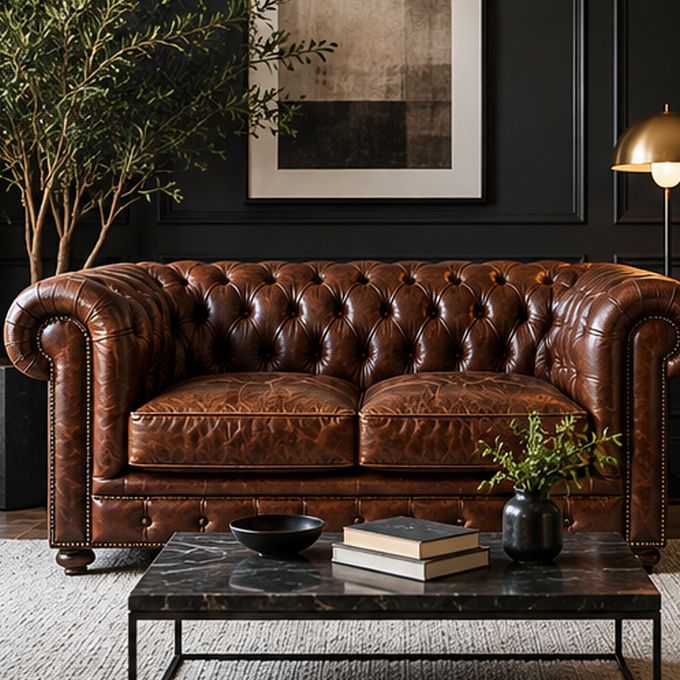
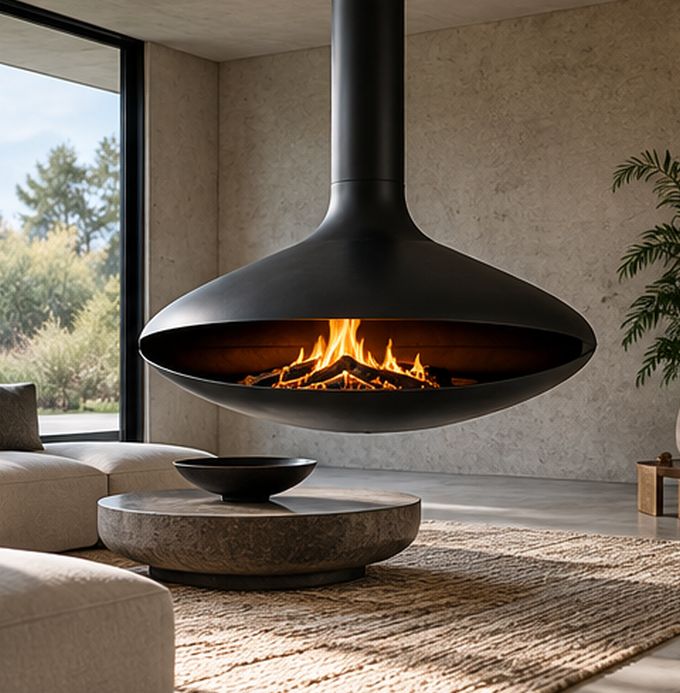
But something interesting is happening in 2026. Furniture with an actual point of view is creeping back into our homes. Deep-buttoned Chesterfields. Curvy mid-century lounge chairs. Sculptural tables. Walnut credenzas. Hanging fireplaces that look as though they were stolen from the set of a stylish Bond film.
In other words: furniture is becoming fun again. Recent U.S. search data from Regency Shop suggests shoppers are still actively looking for recognisable, statement-making designs rather than pieces whose greatest achievement is matching the wall.
The Chesterfield refuses to fade away
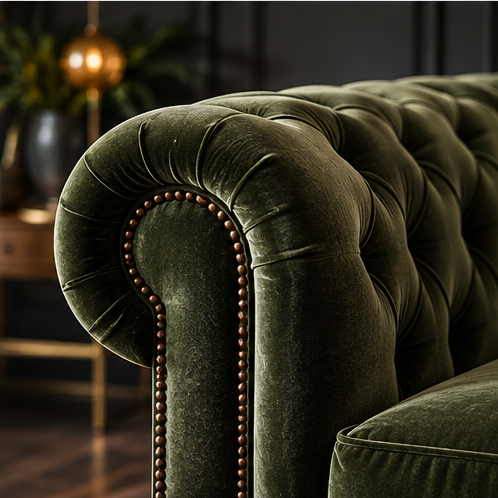
Few pieces of furniture have survived as many decorating eras as the Chesterfield sofa. Its basic calling cards have hardly changed: deep button tufting, rolled arms, a broad silhouette and enough visual confidence to make the rest of the room behave itself.
And people are still searching for it. In a recent Regency Shop Google Search Console snapshot, the Chesterfield collection appeared more than 30,000 times in U.S. Google results. Individual burgundy and black Chesterfield pages also generated thousands of impressions.
That is interesting because the Chesterfield is almost the opposite of disposable furniture. You notice it. It occupies space. It looks like something. And perhaps that is precisely the appeal.
The modern version does not have to live in a dark gentlemen’s club next to a whisky decanter. Put one in a white loft, pair it with a strange lamp and a steel coffee table, and suddenly a centuries-old silhouette can look surprisingly contemporary.
Mid-century modern apparently has nine lives
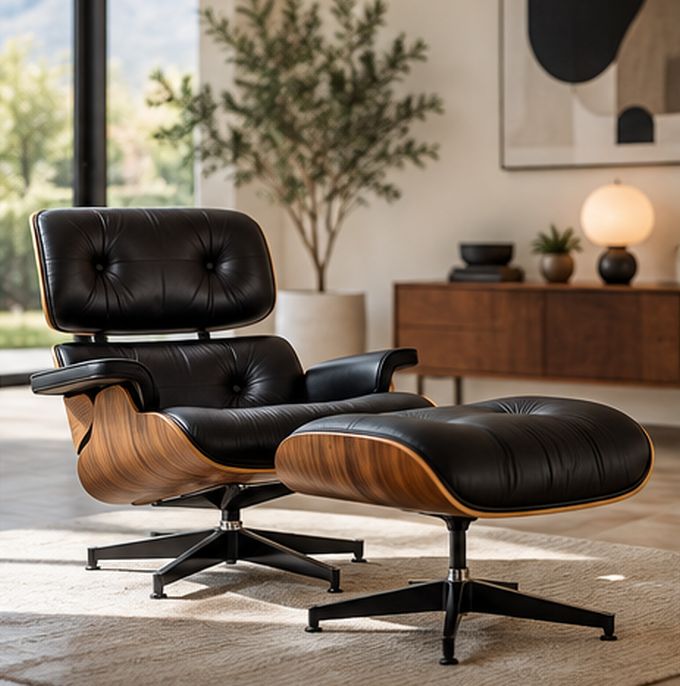
Then there is mid-century modern, the design movement the internet has declared “back” so many times that it might be more accurate to admit it never actually left.
Clean lines, warm woods and sculptural curves remain remarkably compatible with how people want to live now. One Womb-style lounge chair page in the same Regency Shop search snapshot generated more than 5,000 U.S. Google impressions.
There is something wonderfully absurd about a chair conceived in the space-age optimism of the 1950s fitting perfectly into a home filled with smartphones, robot vacuum cleaners and a television that knows more about your viewing habits than your partner does.
Good design travels well through time.
We want curves again
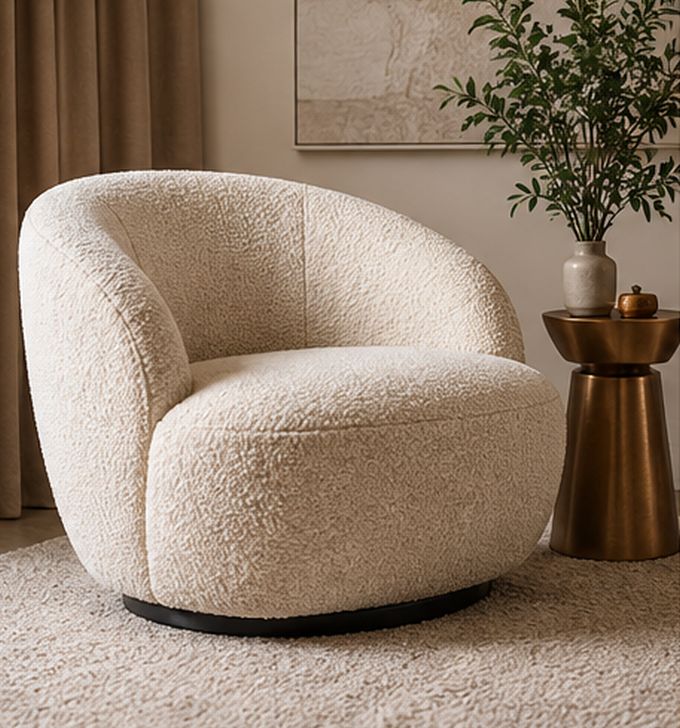
Perhaps the bigger story is that furniture is becoming less boxy. Curved chairs, rounded sofas, sculptural bases and organic forms are everywhere in contemporary interiors.
The appeal is easy to understand. A sculptural chair gives a room shape before you add colour, art or accessories. It also solves a surprisingly modern problem: it looks good from every angle.
That matters when living rooms are increasingly open-plan and furniture is not simply pushed against four walls. It also matters when approximately half the population appears constitutionally incapable of entering a nicely decorated room without photographing it.
The statement piece is replacing the statement wall
For years, interior design advice told people to create a “feature wall.” Paint one wall navy. Apply wallpaper. Hang a gallery of vaguely coordinated prints.
But furniture can do the same job without requiring a weekend with masking tape. A dramatic sofa, unusual chair, oversized coffee table or suspended fireplace can become the visual centre of a room.
One of Regency Shop’s strongest search performers is its suspended fireplace range. The core suspended-fireplace page in a recent Search Console snapshot averaged a Google position around 2.2. A fireplace dangling from the ceiling is admittedly not subtle. That is sort of the point.
Brown is allowed back inside
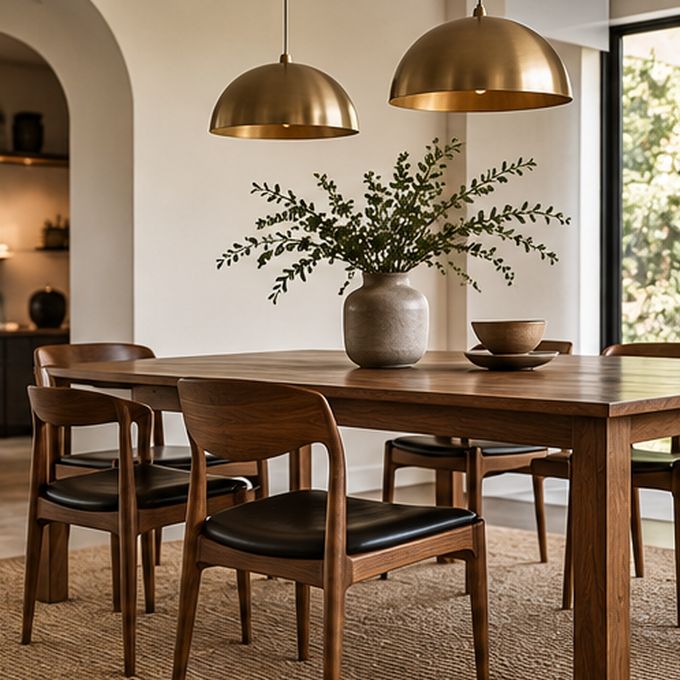
The return of retro furniture is also bringing warmer materials with it. Walnut. Oak. Leather. Burgundy. Rust. Deep green.
After years of cool grey interiors, warmer colours give older furniture shapes a completely different life. A brown leather Chesterfield next to a walnut cabinet can feel traditional. Put the same sofa beside polished steel, contemporary art and a wildly inappropriate lamp, and it becomes something else entirely.
The interesting interiors of 2026 are not museum recreations of the 1950s, 60s or 70s. They are remixes. A little old. A little new. Occasionally weird. Much like the people living in them.
Maybe we finally got bored
Furniture trends normally get explained with grand theories about demographics, architecture and culture. Sometimes the answer may be simpler. We got bored.
The same anonymous furniture appeared in apartments, Airbnbs, office receptions and social-media feeds until individuality itself started feeling luxurious. An iconic chair or absurdly tufted sofa provides an immediate antidote.
It does not have to be an original museum piece, either. Part of the current revival is the wider availability of design-inspired and vintage-style furniture at prices below collectible originals.
That makes historically recognisable shapes accessible to people who love the design but are not particularly interested in taking out a second mortgage for somewhere to sit.
And that might explain why retro furniture keeps returning. The best designs never really look old. They just wait patiently until beige gets boring again.
DATA NOTE
Search-impression figures are from a recent Regency Shop U.S. Google Search Console snapshot. They describe selected Regency Shop pages and collections, not overall U.S. market share.
Discover more from
Subscribe to get the latest posts sent to your email.
