
The Light Side of The Moon… So what’s this thing called a ‘Pink Moon’?
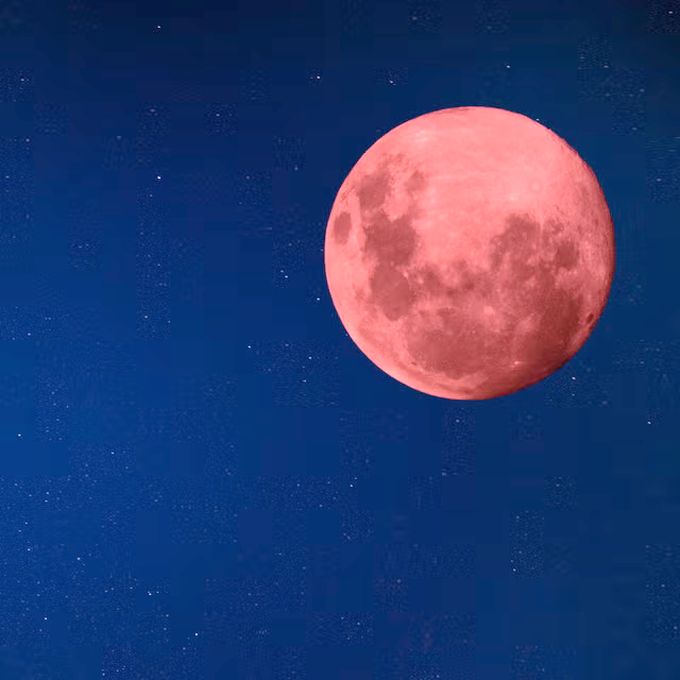
It’s April Fool’s Day today, sure, but one other thing you might be hearing about is something called a ‘pink moon’.
The Pink Moon of 2026 rises with quiet symbolism, reaching peak illumination on April 1 at 10:12 p.m. EDT but falling on April 2 for observers across Australia.
Despite its evocative name, the moon itself will not glow pink. Instead, the title traces back to seasonal cues, particularly the early spring blooms of wildflowers such as creeping phlox in North America. In the past, though, some people believe they’ve seen shades of pink in it
 As the April full moon, the Pink Moon has long been associated with renewal and transition. In the Northern Hemisphere it marks the firm arrival of spring, a time when landscapes soften and life re-emerges. In the southern hemisphere, there is the arrival of autumn. Across cultures, it carries a variety of names tied to growth and seasonal change, reinforcing its role as a natural calendar marker.
One thing is for sure – it is a full moon, one that holds special significance as the Paschal Moon — the first full moon following the March equinox. Its timing determines the date of Easter in many Christian traditions, linking lunar cycles to centuries-old religious observances.
For skywatchers in Australia, the April 2 appearance offers a chance to reflect on a different seasonal rhythm. While the Northern Hemisphere celebrates spring, the Southern Hemisphere moves deeper into fall, lending the Pink Moon a contrasting mood — less about blooming, perhaps, and more about quiet change. Still, its presence remains a reminder of nature’s cycles, constant and shared across the globe.
Why fast fashion practices need to seriously be looked at by our governments
Discover more from
Subscribe to get the latest posts sent to your email.
