
How To Keep Your Garden Looking Healthy Year Round
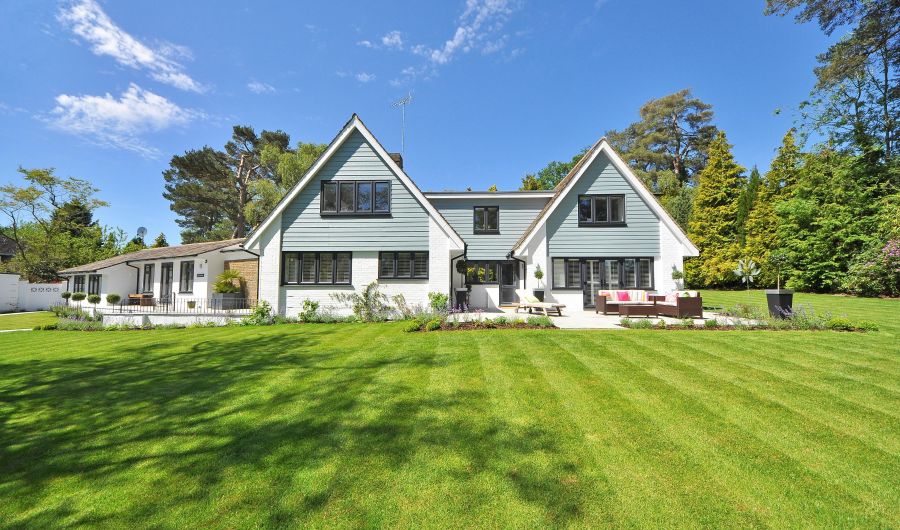
A struggling garden is usually noticed before the cause behind it is understood. Brown patches appear suddenly and flowers stop blooming without warning. Leaves curl at the edges while grass begins looking tired, tired in a way that cannot be fixed with one afternoon of attention.
In places with warm weather, outdoor spaces are expected to stay attractive during every season. That pressure becomes obvious in areas like Apopka, Florida, where green yards are seen almost everywhere. A healthy garden often feels like part of the home itself and not just something sitting outside.
Gardens are imagined as peaceful spaces although constant upkeep is usually required. A one-more-day-wont-hurt thoughts-and-assumptions approach can create visible damage very quickly. Missed watering schedules, neglected soil, and hidden irrigation issues are often responsible for declining plants. Have certain corners of a yard ever seemed impossible to maintain no matter how much effort was made?
Healthy gardens are not built through luck alone. Consistent habits are needed and small details should be noticed early before larger problems are created.
Watering Habits Matter More Than Expected
Many garden problems are caused by watering mistakes although attention is often placed elsewhere. Plants are either flooded constantly or ignored for long periods. Both situations place stress on roots and visible damage is eventually created.
Watering schedules should be adjusted according to weather conditions and not routine alone. During rainy weeks, irrigation systems should not continue running automatically without supervision. Soil should also be checked directly because surface dryness can be misleading.
Sprinkler systems should be checked regularly as well. Leaks are often ignored until brown patches begin spreading across the yard. Although DIY fixes may seem tempting, irrigation problems are usually handled best by professionals. Homeowners should work with a reliable company that offers sprinkler repair in Apopka Florida because hidden system issues can quietly waste water while damaging plants at the same time.
Morning watering is usually preferred because moisture is absorbed before temperatures rise heavily. Evening watering can leave plants damp overnight which encourages fungal growth around roots and leaves.
For example, one yard may appear healthy from a distance although roots underneath are struggling badly. Another garden may recover quickly after simple irrigation adjustments are made. Small changes often produce noticeable improvements.
Would a garden remain healthy if watering habits changed randomly every week? Most plants respond best when consistency is maintained carefully.
Good Soil Is Doing Most Of The Work
Healthy soil supports everything happening above ground. When soil quality declines, plants begin struggling no matter how often they are watered. Nutrients are removed gradually and replacement becomes necessary.
Compost is commonly added because organic material improves soil structure naturally. Moisture retention is increased and roots are supported more effectively. Compacted soil should also be loosened carefully because airflow becomes restricted when ground remains too dense.
Several warning signs should never be ignored:
- Water pools around plants after light rain
- Grass develops uneven growth patterns
- Leaves turn yellow despite regular watering
- Weeds spread faster than healthy plants
- Flower beds begin looking thin repeatedly
Mulch should be used thoughtfully around plants because moisture is preserved longer beneath it. Weed growth is reduced and roots are protected from sudden temperature changes. Too much mulch, however, can trap moisture excessively around stems.
Gardens Reflect Everyday Living
A garden often mirrors the routines inside the home connected to it. Busy schedules usually affect outdoor maintenance quickly while calmer routines are reflected through healthier spaces. In many ways, our lifestyle habits influence the way we design our homes and gardens are included within that pattern naturally.
Outdoor spaces are now expected to feel comfortable instead of purely decorative. Seating areas are expanded while low maintenance plants are chosen more frequently. Simpler garden designs are preferred because realistic upkeep matters more than appearance alone.
Families with children may prioritize open grassy areas while retirees often prefer shaded seating spaces. There is no single perfect garden because every household uses outdoor areas differently.
Modern homeowners also value practicality more than before. Native plants are commonly selected because they adapt more naturally to local conditions. Water usage is reduced and maintenance becomes easier to manage throughout changing seasons.
Gardens affect emotions quietly too. Neglected yards can create frustration while healthy outdoor spaces often encourage relaxation. A cared-for garden changes the atmosphere around an entire home.
Healthy Gardens Depend On Steady Attention
Perfect gardens are mostly seen in edited photographs and advertisements. Real gardens include dry patches, damaged leaves, and occasional setbacks. That reality should not feel discouraging because healthy outdoor spaces are built gradually.
Small habits usually create stronger results than dramatic weekend cleanups. Watering schedules should remain consistent and early signs of trouble should be addressed quickly. Plants communicate clearly through discoloration and unusual growth although those signals are often missed.
Gardening rewards patience more than perfection. Soil improves slowly and healthier roots develop through steady care. A garden does not need to look flawless to feel welcoming and alive.
Outdoor spaces should support relaxation and comfort instead of becoming constant sources of stress. When practical habits are followed consistently, healthier gardens are usually created naturally and maintained with far less frustration.
Discover more from
Subscribe to get the latest posts sent to your email.
