
How to Keep a European Luxury Car Performing at Its Absolute Best
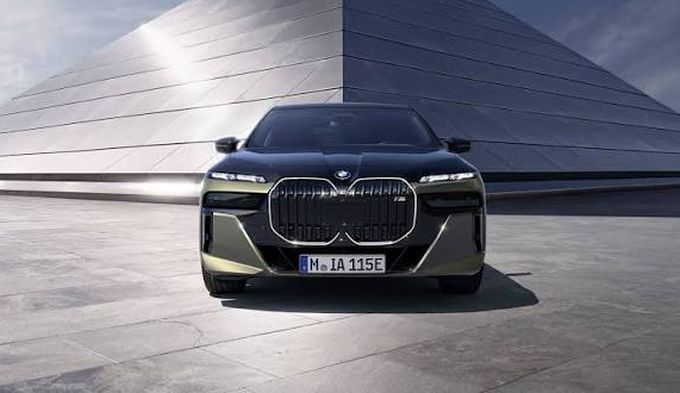
Owning a European luxury vehicle is a distinct pleasure that elevates the simple act of commuting into a refined experience. The sophisticated ride quality, the precision engineering of the cabin, and the undeniable prestige make every journey memorable. In Australia, the commitment to these vehicles is clear, with European makes generating an estimated 40 percent of all revenue collected under the Luxury Car Tax. This highlights the premium investment local drivers are making to secure a top-tier automotive experience.
However, acquiring the vehicle is only the very first step in the journey of ownership. Australian driving conditions can be notoriously harsh, combining extreme summer heat with long highway stretches and congested city traffic. To ensure your vehicle continues to deliver that signature driving dynamic, you must adopt a maintenance mindset that matches the high calibre of the machine parked in your garage. Proper upkeep goes far beyond the occasional wash and vacuum. It requires a dedicated approach to mechanical health, software management, and preventative care.
Why Standard Servicing Simply Does Not Cut It
European cars are designed with incredibly tight tolerances and advanced mechanical systems that demand highly specific care. Taking a high-performance German, Italian, or British vehicle to a standard corner mechanic can sometimes lead to suboptimal results, and in the worst cases, expensive mechanical damage. Modern European powertrains frequently require specialised synthetic engine oils that meet stringent ACEA (European Automobile Manufacturers’ Association) standards. These oils differ structurally from the standard API-certified products typically used in domestic or Asian vehicles, offering distinct thermal breakdown properties required by high-compression European engines.
Because of these exacting requirements, many informed owners choose to take their vehicles exclusively to dedicated European car specialists who truly understand the nuances of these complex machines. The engineering differences become particularly apparent when looking at transmission technology. European performance drivetrains, such as Volkswagen and Audi’s Direct-Shift Gearbox, Porsche’s legendary PDK system, and the highly advanced ZF transmissions found in modern BMWs, feature incredibly precise internal clutch packs and hydraulic valves.
These gearboxes require exact, manufacturer-specified fluid exchange procedures that cannot be rushed or substituted with generic transmission fluids off a supermarket shelf. An incorrect fluid type or an improper bleeding procedure can lead to rough shifting or catastrophic transmission failure. Additionally, the braking systems on these vehicles are engineered to handle extreme deceleration forces. Replacing brake pads and rotors on a modern European car often involves disengaging electronic parking brakes via proprietary software, a step that untrained mechanics might attempt to force manually, resulting in severe caliper damage.
The Digital Brain of Modern Luxury Vehicles
In the past, car maintenance was largely dictated by a physical logbook and the odometer on the dashboard. You drove a certain number of kilometres, and then you booked a routine service. Today, the landscape is entirely different. Modern luxury European vehicles utilise highly advanced condition-based servicing systems. The onboard computers actively monitor everything from engine oil degradation and coolant levels to brake pad wear and micro-filter airflow. These systems alert the driver exactly when maintenance is due based on real-world driving conditions rather than a rigid, outdated calendar.
To interface with these digital brains, workshops need brand-specific, proprietary diagnostic software. A generic diagnostic scanner used in a standard workshop will rarely provide the depth of information required to service a modern luxury vehicle properly. For instance, servicing a Volkswagen or Audi properly often requires the VCDS diagnostic system. For BMW maintenance, technicians rely on the ISTA (Integrated Service Technical Application) platform for in-depth module programming and error code reading.
Similarly, Mercedes-Benz vehicles require the dedicated XENTRY diagnostic platform to access hidden modules, while a modern Porsche relies on the specialised PIWIS system for OEM-level calibration. Without these specific digital tools, a mechanic is effectively working blindfolded. They might be unable to correctly reset service indicators, calibrate advanced driver-assistance systems, or diagnose subtle electronic faults that could eventually lead to larger mechanical breakdowns. Modern vehicles essentially function as rolling computer networks, meaning software updates and electronic module resets are just as critical as changing the engine oil.
Protecting Your Automotive Investment and Warranty
There is a persistent myth that luxury car owners must return to the dealership to maintain their new car warranty. Fortunately for Australian motorists, the Motor Vehicle Service and Repair Information Sharing Scheme (commonly known as the Right to Repair law) officially came into effect on July 1, 2022, fundamentally changing the industry landscape. This legislation legally mandates that vehicle manufacturers must provide independent repairers with access to technical service data at a fair market price.
The impact of this legislation has been profound. A 2026 government review of the scheme found that it has generated a 2.4 billion dollar annual increase in automotive industry turnover by empowering independent workshops. What this means for the consumer is total freedom of choice.
Under Australian Consumer Law, your new car warranty remains fully protected when you use an independent specialist workshop, provided they service the vehicle to the manufacturer’s exact specifications and use approved parts.
This is an important consideration when factoring in the cost of ownership. A major specialised service for a European or luxury vehicle in Australia can cost anywhere between 350 and over 1,500 dollars, depending on the model and the required parts. This is a noticeable step up from the national average of 140 to 550 dollars for standard vehicles. Furthermore, minor services typically require 1 to 1.5 hours of workshop time, while major services can take 2 to 4 hours. By having access to independent experts, owners can often secure more competitive labour rates without ever sacrificing the elite technical expertise their car demands, effectively keeping running costs manageable over the lifespan of the vehicle.
Essential Maintenance Habits for European Car Owners
While finding the right technician is half the battle, there are several habits you can adopt to keep your luxury car performing flawlessly between workshop visits. A proactive approach to vehicle care will save you time, reduce running costs, and ensure the car feels as responsive as the day it left the showroom floor.
Here are the key daily and monthly practices every European car owner should follow to protect their investment:
- Heed dashboard warnings immediately: With condition-based servicing, a warning light or a notification on your infotainment screen is never just a suggestion. If the car indicates that the oil has degraded or the brake pads are nearing their limit, book a service promptly to prevent cascading mechanical issues.
- Never compromise on top-up fluids: Whether you are topping up the engine oil yourself or adding a bit of coolant before a long road trip, ensure the products strictly meet the exact specifications listed in your owner’s manual. Mixing incompatible coolants can create a sludge that blocks radiators, while incorrect oils can cause severe turbocharger damage.
- Maintain high-performance tyres: European cars are engineered to handle high speeds and require tyres that can keep up with their suspension geometry. Check your tyre pressures fortnightly. Incorrect pressures will not only ruin the ride quality but can also cause uneven wear on expensive, low-profile rubber.
- Wash and protect the exterior regularly: European paints and factory clear coats are exceptionally high quality, but they still fall victim to the harsh Australian sun and local environmental fallout. Apply a premium ceramic coating or a high-quality wax to preserve the gloss and protect against UV degradation.
- Warm up the engine sensibly: High-performance engines need a moment for oil to circulate fully before being pushed to their limits. Drive gently for the first few minutes of your journey until the oil temperature gauge reaches its optimal operating range, ensuring turbochargers and internal bearings are fully lubricated.
- Care for premium interior materials: European luxury cabins frequently feature fine Nappa leather, open-pore wood, and Alcantara trim. Regularly treat leather surfaces with a pH-neutral cleaner and conditioner to prevent the hot Australian climate from drying out or cracking the upholstery.
Owning a European luxury vehicle is a true commitment to automotive excellence. By taking the time to understand the unique engineering requirements of your car, respecting its advanced diagnostic needs, and leveraging your consumer rights to choose a highly qualified independent mechanic, you can enjoy a completely flawless driving experience. A proactive, uncompromising approach to maintenance ensures that your premium investment continues to deliver the thrill, comfort, and steadfast reliability it was designed to provide for many years to come.
Discover more from
Subscribe to get the latest posts sent to your email.
