
Before Brands Borrow From a Culture, They Should Understand Their Place in It
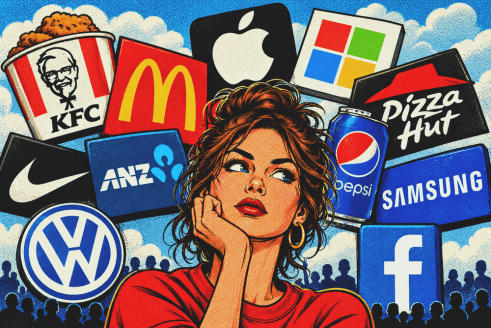
Like the film industry, the fields of advertising and marketing often jump on cultural and aesthetic bandwagons way too late. In an unpredictable and ever-changing cultural landscape, Cream looks at the dangers of brands that cash in on vibes and looks weeks too late, warning that before big brands borrow from contemporary culture, they best look up the actual definition of contemporary.
Article by Phil Treagus-Evans
I run a social media agency, so this might sound like I’m talking myself out of work, but most brands would do better if they left culture alone.
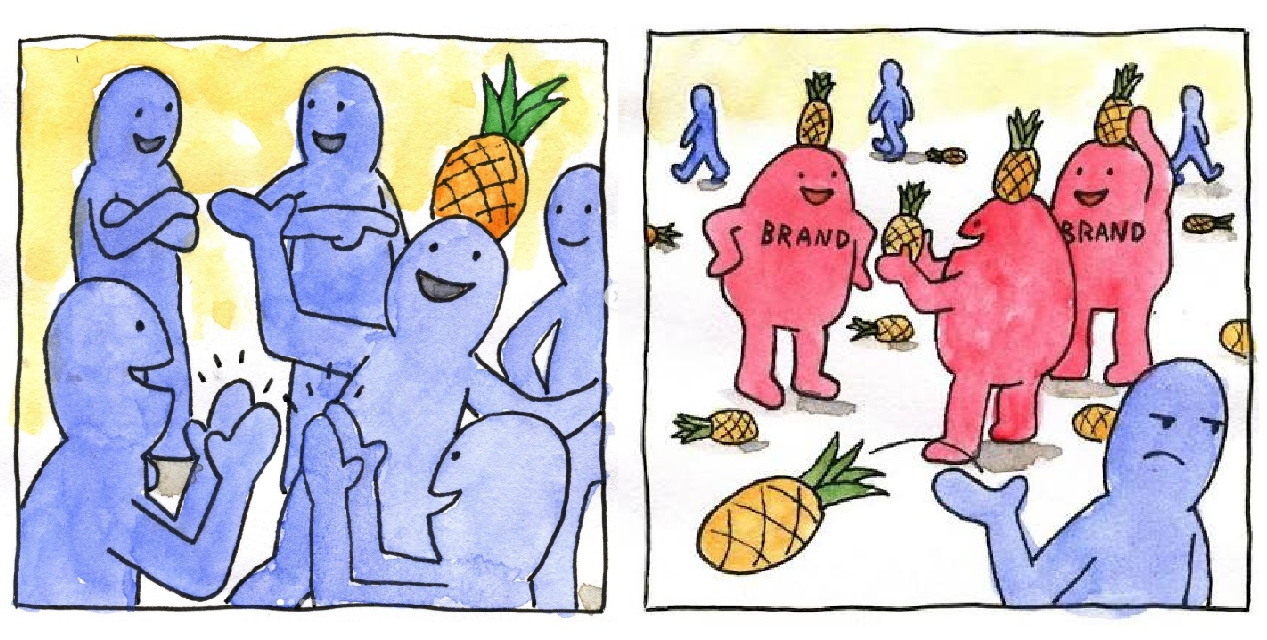
Not all of it, and not forever. There’s a cartoon that does the rounds every so often that sums up the problem better than any marketing textbook can. Someone at a party starts doing a daft little dance. A couple of people join in, then the whole room is at it, cheering each other on. Then a brand walks in and starts doing the dance too. And everyone leaves.
It’s amusing because it’s accurate; I see it happen for real all the time. A scene, a sound, a bit of slang or a look gets going on its own – because a group of people built it for themselves. A brand spots it, books a meeting, signs off a mood board and turns up a few weeks later wearing it like a borrowed jacket. By then the people who started it have usually moved on, and anyone still there quietly heads for the door. (I’m a 36-year-old agency boss, so I’m the last person who should be telling anyone what’s cool. That’s sort of my point.)
Borrowing the look, leaving out the people
The most famous example is still Pepsi’s 2017 ad with Kendall Jenner. She walks off a photoshoot, joins a street protest and ends the standoff by handing a police officer a can of Pepsi, to cheers from the crowd. Pepsi pulled it within days, saying it had “missed the mark”. Dazed put it perfectly at the time: the ad was aping the aesthetic of protest without carrying any of its spirit.
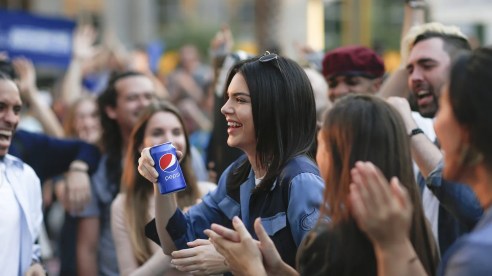
That’s the whole problem in one line. Pepsi had the placards, a good-looking crowd and a vacuous attempt to create the feeling of a movement. What it definitely didn’t have was any reason to be there.
The presence of Pepsi had nothing to add to a protest, nobody had asked it along, and the people whose activism it was drawing on weren’t the ones being paid or heard. It wanted the feeling of being part of something without doing any of the work.
Most brand culture-grabs are much smaller than that, thankfully, and nobody writes think pieces about them. It’s the bank using a meme format two months after it peaked, or the insurer suddenly posting in slang it clearly picked up from a slide in a trends deck. You’ve seen them, and you’ve probably scrolled past them with a small wince.

Australian/New Zealand bank, ANZ, has been running tired old imaging for the past year featuring folks dressed in drab casuals – clearly affected by an economic crisis – and yet they’re portrayed smiling with their bank managers or looking cute at their monthly statements and all its excess charges: pathetically happy while staring at the very reason they can’t afford smarter attire. The homey look is there (leisure wear, plaid, rustic coffee mugs in hand) but the image totally misses the mark, if not adding insult to injury.
 Banks like ANZ also tend to have a healthy rotation of people of different ethnicities which is great for ticking the inclusivity box, but while aiming to portray their models as “one of us”, the dress code, gestures and poses all leave their ad subjects looking ridiculous. ANZ has been using this model, left, and his munted head to promote their services for the past 11 months. Despite attempts of expression that ‘everybody’s having it hard’ (and of course throwing multiculturalism into the mix), the only relativity between the image and the audience is that, yes, we feel like we’re having a stroke, too, every time we look at a bank statement.
There are no longer hints of aspiration in banking ads – only hapless figures supposedly happy with their sad lot, or just looking plain stupid. So long as they come in all shades, shapes and sizes, the bank and its ad agencies think they’ve done their job. Multiculture and diversity are clearly addressed but the extortionate interest rates aren’t.
Meanwhile, KFC recently went all out in the marketing of their Kwench range of boba refreshers, shakes and spider drinks. Adopting the popular Kylie Minogue song Can’t Get You Out Of My Head but recreating it using samples of drink slurping and glass-tapping, all while spoofing a Y2K-turned-K-Pop video, the ad is original in its amalgamation of all these tactics but oh, what a mess it is. DEI boxes are ticked, and the melody provides an earworm that is as incessant as the original Kylie chorus, but the daftness of it all will probably only relate to a younger market. Everybody else would kind of be thinking, ‘WTF have I just listened to and watched?’. One commenter posted on YouTube, “This ad is absolute hell for people with misophonia. Like someone chewing in your ear. KFC ads are consistently the worst around.” At the very least, the ad misses out on reaching a broader market (and before you think, well, it was targeted to youth, remember spider drinks have been around since your grandparents were kids).
I get why brands do it. Culture is where the attention is, and marketing teams are under real pressure to look relevant. Nobody wants to be posting solely product shots while everyone else is talking about something fun. But when it isn’t aligned, when it feels shoehorned in or turns up late, it doesn’t just fall flat, it has the opposite effect to the one intended. It in fact tells people you were only watching from the outside and suddenly decided to cash in.
So what does it look like when it works?
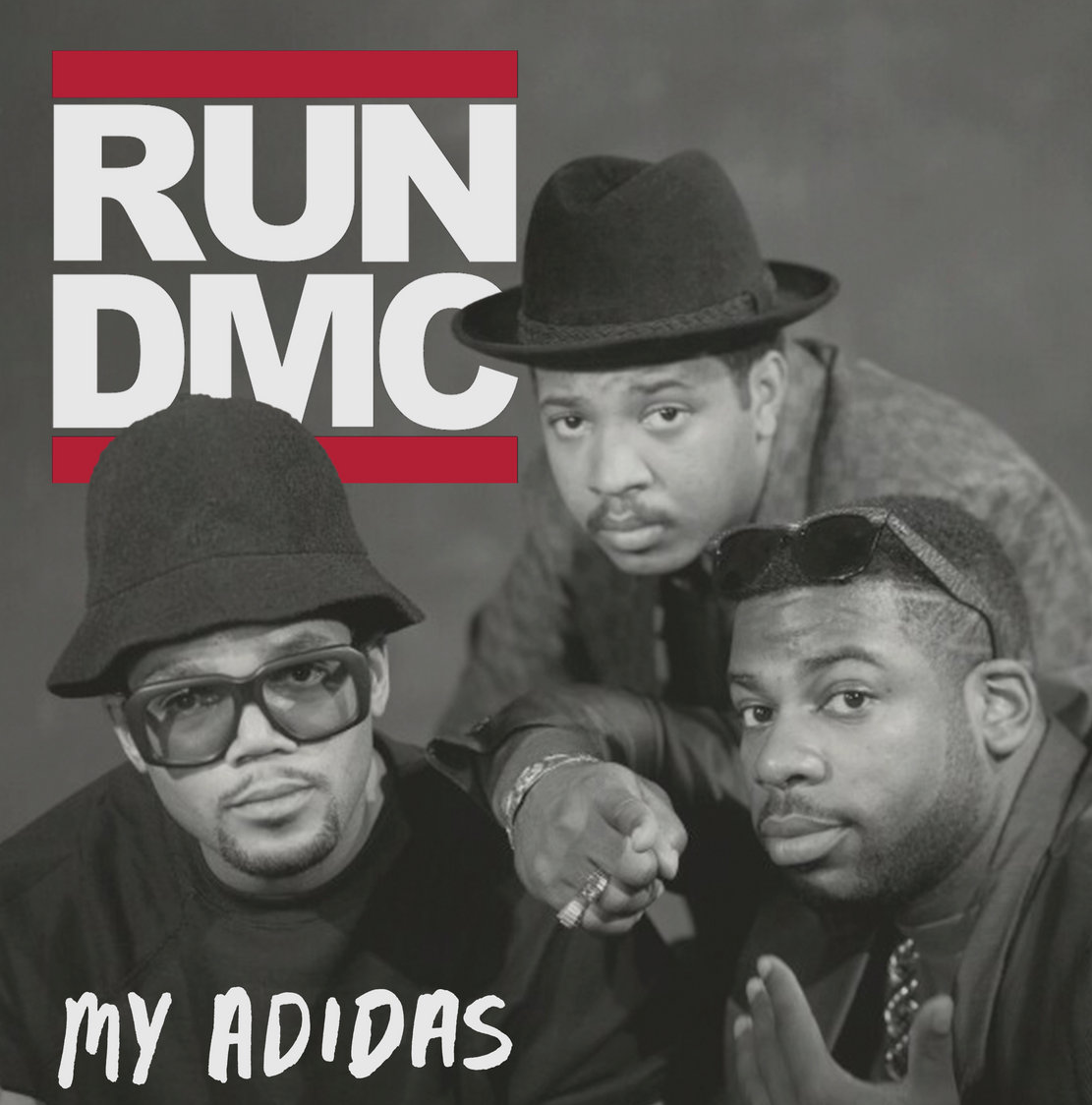
The best example (and a personal favourite) I know is Run-DMC and Adidas. The trio already loved their Adidas Superstars, and the song My Adidas was their tribute, released in May 1986 before any commercial deal took place between artist and brand (it actually started life as a retort to an anti-trainer novelty record). At Madison Square Garden that July, fans held their trainers in the air during the song while Adidas executives watched, and an endorsement worth around a million dollars followed. It’s widely credited as the first deal of its kind between a music act and a sportswear brand.
Look at the order things happened in. The culture got there first. Adidas didn’t manufacture a hip-hop moment; it noticed one already about its product, then put money behind the people who’d made it.
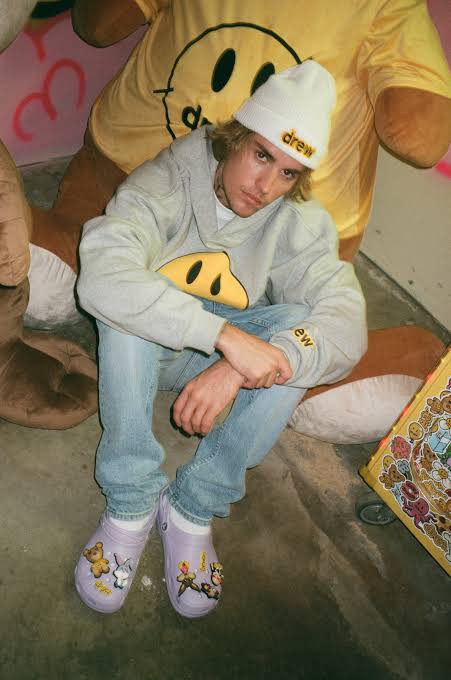
Then there’s Crocs. A brand I spent years mocking, but now own their product. It’s the clearest case I can think of a brand that stopped trying to be cool and got interesting as a result. For years it was the shoe everyone loved to mock (me included). Rather than fight that, it leaned in. Its CMO told Fast Company in 2021: “Yes, we’re ugly, yes, we’re polarising.” But the brand took its cultural flaw and used it to its benefit without insulting its main market. Its subsequent celebrity partnerships were with people like Post Malone and Justin Bieber, who already wore the clogs, and the products collaborated on often sold out within days. Crocs didn’t pretend to be something else to get past the bouncer and into the party. It turned up as itself, and plenty of people turned out to want exactly that (me included).
When should a brand get involved?
My test is simple, and slightly unfashionable in my industry. If a culture already overlaps with who you are, what you make and the people who actually buy from you, then perfect. That’s the sweet spot; go for it. If you need a twenty-slide deck to explain why your brand belongs there, it probably doesn’t.
Even then, it’s worth asking who gets the credit and the money. If it’s a community’s music, style or language you’re drawing on, the people from that community should be the ones on camera, named and paid, not just referenced in a brief. Ideally, you’re bringing something they’d actually want, like funding, access or a product they genuinely use. If all you’re bringing is a logo, people can tell, and they will let you know.
The other question is whether you’ll still be around once the moment has passed. Adidas stuck with hip-hop for decades after 1986. The brands in that cartoon tend to arrive at the peak and vanish the moment the numbers dip, which is exactly why nobody wants them there.
None of this means brands should hide in a corner. Some of my favourite cultural moments have had marketing dollars behind them. But the line between success and failure is thin, so tread carefully.
Author credit:
Phil Treagus-Evans is co-founder and CEO of Giraffe Social, a human-first social media agency that helps established brands build trust on social media. Founded in 2012 and based in the UK, Giraffe’s work spans social strategy, creative, paid social and influencer campaigns. Phil is also the author of the Amazon bestseller Human-First Marketing: The Art of Being Seen, Trusted and Remembered.
ANZ and KFC editorial segments by Antonino Tati.
Discover more from
Subscribe to get the latest posts sent to your email.
