
How Remote Professionals Are Redefining Travel With Extended City Stays
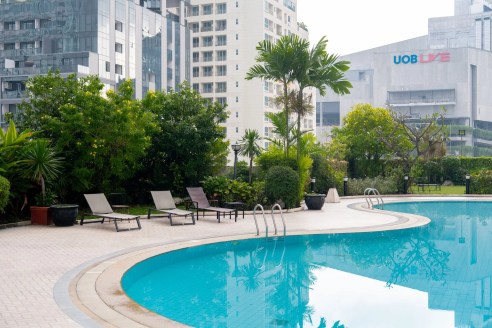
The era of the exhausting 48-hour business trip is rapidly fading. For decades, corporate travel was largely defined by frantic airport transits, intense jet lag, and back-to-back meetings in sterile conference rooms, leaving executives physically drained. Today, a profound shift is reshaping how digital knowledge workers approach their overseas commitments. Rather than rushing home the moment a conference concludes, forward-thinking professionals are extending their itineraries. This evolution represents a fundamental redesign of the modern work-life dynamic. The concept of slow travel has officially entered the corporate lexicon, replacing burnout-inducing schedules with a more sustainable, enriching approach to global business. By extending their time in international hubs, professionals are unlocking new levels of productivity while simultaneously nurturing their personal wellbeing.
The Rise of Bleisure and Flexcations
The concept of blending professional obligations with personal leisure has gained unprecedented momentum over the last few years. The global bleisure travel market is expanding rapidly, with industry research projecting a 17.4 percent compound annual growth rate that pushes the sector’s valuation past 816 billion dollars in 2025. A joint report by Navan and Skift revealed that 55 percent of business travellers took at least two blended work-leisure trips recently, with 73 percent of employees now viewing this geographic flexibility as a standard corporate perk rather than a rare luxury.
The appeal of blending productivity with exploration is clear. According to Expedia Group’s 2025 Traveler Value Index highlights, 42 percent of consumers are planning a bleisure trip this year, while 45 percent intend to take a flexication to work remotely during their travels. It is not just massive tech conglomerates driving this change. Research from The Business Travel Magazine indicates that 76 percent of SME employees now regularly extend their overseas work trips to include dedicated leisure time, a sharp increase from 48 percent just two years prior. Small and medium enterprises are increasingly using flexible travel policies to remain competitive in a tight global labour market.
In response to this surging demand, multinational companies like Spotify and Airbnb have championed permanent WFA (Work From Anywhere) frameworks. These progressive initiatives allow staff to flexibly structure extended international work trips through curated corporate programmes. Airbnb’s leadership even credits their specific policy for helping them win the global war for talent, proving that lifestyle benefits now consistently rival traditional financial compensation.
Setting Up a Base in Southeast Asia
As professionals embrace these extended itineraries, certain global hubs are emerging as clear favourites for corporate residencies. Bangkok, with its seamless mix of hyper-modern infrastructure, vibrant culinary scene, and rich cultural heritage, stands at the absolute forefront of this movement. Thailand has long been a magnet for tourists, but it is actively pivoting to attract the affluent, location-independent executive.
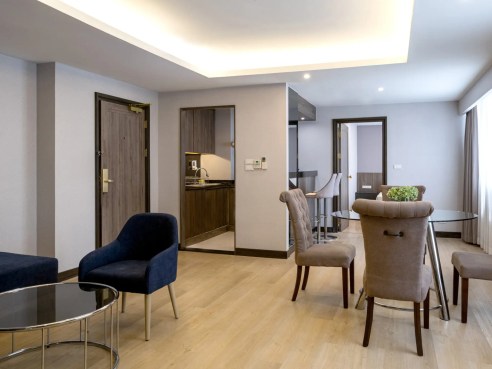
For those setting up a temporary base in Southeast Asia’s most dynamic business hub, securing a premium monthly hotel in Bangkok business travellers recommend will ensure a seamless transition between work and leisure. Dedicated long-stay properties offer the high-end amenities executives expect, from skyline fitness centres to rooftop pools and dedicated concierge services. By choosing a residence designed for extended stays, professionals secure a luxurious home base rather than just a transient stopover.
In July 2024, the Thai government officially launched the Destination Thailand Visa (DTV), a specialised residency pathway designed specifically for remote workers, freelancers, and corporate expats. The visa grants approved professionals multiple entries and the ability to stay in Thailand for up to 180 days per entry over a five-year period. This drastic simplification of the legal logistics for long-term workcations has made Bangkok an undisputed powerhouse for digital workers. To qualify, applicants must demonstrate financial stability, specifically proof of at least 500,000 THB (approximately 14,000 USD) in savings, ensuring the programme attracts established professionals who are well-suited to premium hospitality options.
How Extended Stays Boost Wellbeing and Productivity
The shift toward slower, more deliberate travel has profound implications for executive health and overall corporate output. Despite the inherent flexibility of remote work, up to 86 percent of fully remote, home-bound employees report experiencing some form of burnout. The isolation of working from a suburban home office can quickly lead to creative and professional stagnation. Taking work on the road via slow travel offers crucial psychological and restorative benefits. When professionals have the time to explore a new culture at a relaxed pace, they return to their laptops rejuvenated and inspired.
When planning a modern corporate getaway, professionals are discovering how geographic flexibility directly influences peak performance and holistic health. This anecdotal evidence is heavily supported by hard data. A Harvard Business School study examining a work-from-anywhere programme at the US Patent and Trademark Office found that granting geographic flexibility increased output by 4.4 percent compared to a standard, location-fixed remote setup.
Furthermore, internal data from Airbnb’s work-from-anywhere initiative observed an 18 percent increase in productivity compared to their pre-pandemic, office-bound benchmarks. A recent report by the FMC Group highlighted similar positive trends, noting that 77 percent of remote employees believe they are more productive when working offsite. Crucially, 78 percent of managers agree that these mobile teams consistently meet or exceed performance expectations. The data proves that allowing employees to immerse themselves in new environments does not distract from their duties; it actively enhances their output.
Essential Strategies for the Modern Corporate Traveller
Transitioning from a short-term visitor to a temporary resident requires a totally different approach to planning and logistics. According to recent data from Marriott, business travellers are now booking stays that are 20 percent longer on average compared to prior years. To make the most of an extended city stay, executives should focus on a few key adjustments.
- Establish a Dedicated Workspace: While working from a poolside cabana sounds idyllic, actual productivity requires ergonomic seating, high-speed internet, and a quiet, controlled environment for video calls.
- Master Time Zone Overlap: Multinational companies are increasingly formalising global WFA policies that establish specific guardrails around time zone management. Professionals must strategically schedule overlapping hours with their home office to maintain seamless communication without being forced to work through the night.
- Embrace Local Routines: The true value of slow travel lies in genuine integration. Rather than rushing to see every tourist attraction in a single frantic weekend, extended stay travellers can build restorative local routines. This might involve joining a nearby fitness club, frequenting neighbourhood cafes, or taking language classes.
- Upgrade Digital Security: Working overseas necessitates robust cybersecurity measures. Utilising commercial virtual private networks (VPNs) and secure cloud infrastructure ensures that sensitive corporate data remains protected across international borders and public networks.
- Manage Visa Compliance: With over 170 countries now introducing formalised digital nomad or remote worker visas, professionals must ensure they are operating within the legal frameworks of their host nation, leveraging options like Thailand’s DTV to remain fully compliant.
The Future of Global Work
The traditional boundaries separating business travel and personal holidays are rapidly dissolving. A recent McKinsey study found that 67 percent of global knowledge workers cite geographic and location flexibility as a top deciding factor when evaluating job opportunities. As talent increasingly demands the freedom to roam, the corporate world is being forced to adapt its policies and travel budgets accordingly.
The rapid expansion of the bleisure market and the proliferation of tailored long-stay hospitality options signal a permanent shift in how we define the modern workplace. By swapping frantic transit for extended city residencies, professionals are discovering a more sustainable, productive, and deeply fulfilling way to navigate their careers. The world has truly become a borderless office. Those who learn to navigate it with intention, balancing ambitious professional goals with enriching cultural exploration, are redefining what it means to be successful in the digital age.
Discover more from
Subscribe to get the latest posts sent to your email.
