With the current economic climate, consumers are being more conscious of food wastage in the kitchen. Freezing family meal portions for a rainy day … Organising orphan meals for friends doing it tougher than you … Doing exciting things with leftovers … Even allowing your pet pooch or moggy somewhat more exotic food than their usual canned stuff. The to-do list of the clever foodie is an extensive one.
Here are 20 smart ideas that will make the most of what’s in the pantry, fridge and fruit bowl.
Collated by Antonino Tati
01. Looser sugar
Sugar in a canister can sometimes stick together due to temperature changes in the kitchen and moisture drying up. To keep your sugar loose (as it should be) simply pop a small piece of marshmallow in the mix. The marshmallow will soak in the moisture as time goes by but while it gets harder, the sugar stays individually granulated!
02. Crispier greens
Bring limp greens to life by placing them in a bowl of iced water for half an hour. You’ll get more crunch out of your carrots and cucumbers, too, and this trick works well for herbs like coriander, parsley and basil. Also, you can slow down the browning of greens by storing them in glass jars in the fridge. Of course, lettuce will need to be cut into wedges (a little work won’t kill you), but rocket, spinach and herbs are easily separated into smaller batches.
03. More tender meat
You can tenderise meat easily by marinating it in fresh pineapple juice for 15 minutes. To get the pineapple flavour off, simply soak the meat for another five minutes in water. Works wonderfully with even the thickest of steaks.
04. Use bananas to ripen your avos and other fruit
Simply include a bunch of bananas in your fruit bowl. Bananas make the other fruit ripen as they release a gas called ethene which sees the softening of the other fruit as it converts starches to sugars. Incidentally, you’ll also find your fruit tastes sweeter.
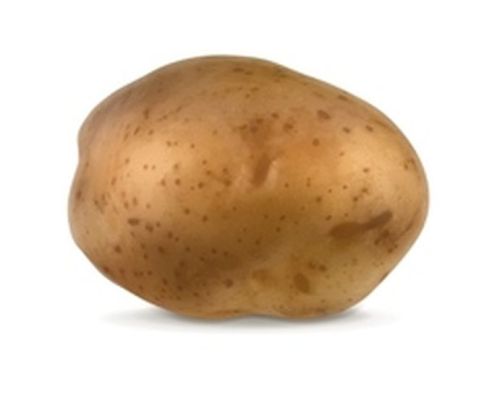
05. Keep potatoes fresher for longer
Don’t wash your spuds before storing them as you want to avoid dampness which would spoil them. Store your ‘tatoes in a cool, dark, dry space – like the bottom of the pantry. Don’t ever store spuds in the fridge as this only sees the veggie’s good starch converting quicker to sugar resulting in too sweet a taste and discoloration when cooked. Oh, and to stop spuds from sprouting, throw in a Granny Smith apple. Follow these four tips and you’ll see why potatoes have an even higher shelf life than you initially thought… It’s no wonder it was the star vegetable in times of famine.
06. Use bread to pick up fiddly bits of glass
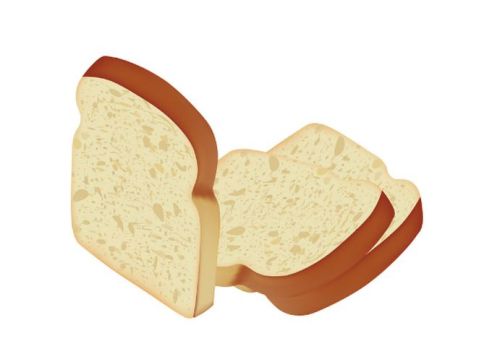
If you’ve broken a jar, glass or cup in the kitchen and don’t have a microscope to see the tiny shards that need picking up, simply grab a slice of bread and dab the littered area delicately. The fluff of the bread will pick up even the smallest shards of glass, making the floor safe for all once more.
07. Open tight-lidded jars with ease
Simply wrap a large rubber band around the rim of the lid which will give you extra grip to ply it open.
08. Keep the star ingredients afloat when baking a pie
Whether you’re using canned, dry or fresh fruit in making a pie – or fresh meat chunks for the meatlovers out there – simply toss the contents in a little flour before mixing into the batter or sauce. For some strange (and brilliant) scientific reason, the flour keeps the star ingredients – fruit or meat – from sinking to the bottom!
09. Enjoy the many uses of milk
Keep plants disease-free by mixing one glass of milk to nine glasses of water and filling an easy-spray bottle; an all-natural alternative to harmful pesticides! Use milk as a soothing salve for sunburn; simply soak a towel in milk and use as a cold compress! Remove makeup by dipping cotton wool in milk and gently dabbing and wiping away eye shadow, lippy and foundation!
10. Remove the sticky labels on jars with ease
Remove as much of the sticky label as you can, then coat the remaining sticky area with a little eucalyptus oil. Let it soak for a while, then rub off with a clean cloth to remove the residue.
11. Reuse your fruit punnets wisely
Plastic fruit punnets that you’re not quite ready to see go into landfill can be reused to store bits and bobs that you’ll later use for crafts or DIY-ing. The punnets are ideal because they’re see-through and because they already come with a nifty lid.
12. Stay stain-free when chopping beets and juicing berries
If you’re have a dirty, stained-filled time chopping beetroot or juicing dark berries, and your hands are starting to look like they’re henna-tattooed, rub a raw potato over the stains and watch them disappear!
13. A cleaner pizza stone
Making more easy pizza than usual? You’ve probably noticed stains built up on the pizza stone. To get rid of these (and any nasty hidden bits of oil), lay damp paper towels onto the stone and using a metal spatula, scrape over any burnt or oily areas. The paper towels will catch any residue and – presto! – the pizza stone ought to look brand new.
14. Keep your Chux wipes free from germs
You know the horrid feeling – you go to handwash a coffee mug and you’re not sure if the Chux superwipe has just been used for something it oughtn’t have been. Give your wipes an instant clean by zapping them in the microwave on high for 2 minutes. Wrap the wipe around a wedge of lemon before microwaving for an even sprightlier touch. Easy peasy, but don’t forget to replace your wipes regularly.
15. Instant insect trap
Running out of fly spray? Pour a little apple cider vinegar into a glass, add a few drops of dishwashing liquid. And watch pesky fruit flies dive right in and, well, die.
16. Use apple cider vinegar to stop the itch of mozzies
Simply dab a little of the cider vinegar on mozzie bites and feel that blissful relief…
17. Heat food evenly in the microwave
Place the bowl or tray of food toward the edge of the microwave plate rather than the middle so as to ensure the food heats more evenly and won’t leave you digging into ‘cold’ morsels.
18. Shell eggs with ease
When boiling a batch of eggs, throw in a wedge of lemon. That little bit of citrus acid will see the shells slide off much easier when done.
19. Reduce oil splatters when frying
This one’s as simple as it is genius: sprinkle a little salt into the oil to minismise splatter. Thank you, Physics.
19. Keep cheese mould-free
If you have leftover chunks of cheese and want these to stay fresh, wrap the chunks in aluminium foil. It’s magic how the foil keeps the cheese from going mouldy!
20. Make your own dishwashing agent
Put 1 tablespoon of bicarbonate powder and 4 drops of eucalyptus oil into the dishwasher dispenser and wash on a hot cycle.
* And one quick tip when feeding your pet pooch or moggy…
Avoid ants getting in and around your pet’s food bowl by placing it inside a larger bowl filled with water. This creates a kind of ‘moat’ to keep the ants out and will keep your pet hungrier, happier and healthier.
Forget the Prosecco per un momento… try new Chocolate in a Bottle blanc de blanc!
You’ve tried ordinary sparkling wine, and you’ve loved the likes of Prosecco. But have you tried a sparkling infused with chocolate? I hadn’t either, until I came across Chocolate in a Bottle – a French Sparkling Blanc de Blancs wine infused with the essence of Belgian chocolate and hazelnut. It may sound like sugar overload upon first reading the description, but a few sips of this good elixir and you may be hooked as I am.
The sparkling wine was a unique creation by Flemish sommelier Tom De Bruyn, who collaborated closely with a skilled winemaker near Perpignan in the South of France, and together they meticulously crafted a luxurious beverage. The grapes have undergone traditional vinification before being infused with the essence of Belgian chocolate and a hazelnut extract, with the resulting wine truly captivating the senses.
Indeed, you sense the aromas of chocolate as soon as you pop the cork, with subtle fumes hazelnut making their way through as you pour and bring your nose closer to the glass.
I never thought I could take a wine seriously if it had something as sweet as chocolate infused with it, but Chocolate in a Bottle is seriously delicious. And the best thing? No strong, strange after-scent on your breath – which can otherwise be common when you’ve been drinking a sparkling.
This is one we’ll be taking to parties over winter, for certain.
Chocolate in a Bottle is best enjoyed chilled – first in the fridge, then briefly in the freezer or ice bucket to reach the optimal serving temperature of around 3ºC.
6 Tips to Make Your Home Energy Efficient This Winter
During wintertime, your heating costs might rise yet you can maintain indoor heat without creating excess financial burden. Your energy consumption and related expenses will decrease significantly through minor adjustments. To keep winter cold outside while maintaining indoor warmth you should add insulation while installing energy-saving heating systems and closing all air leakage points.
Together with thermostat adjustments and additional heavy curtains, your effort will be successful.
Lower energy bills accompany reduced environmental effects as a result of these modifications.
A house that maintains comfort levels while cutting down power usage qualifies as energy-efficient. Following these six straightforward suggestions will create an energy-efficient winter environment that generates warmth while reducing utility expenses.
Seal the Gaps: Keep the Cold Out
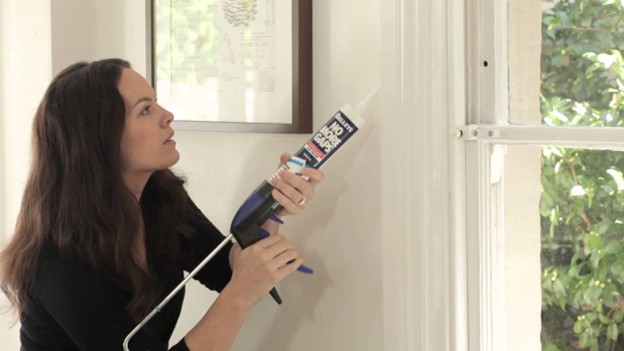
Your home allows cold air to enter through all its small openings. Your heating system requires additional effort to operate because of these leaks thus leading to increased utility bills. Assessing and closing openings effectively protects your interior warmth from outdoor cold air. Inspect for ventilation leaks across all windows, entrances, and ventilation ducts. Weather stripping or caulk will effectively seal off all openings in buildings.
Door sweeps create an effective barrier against cold air which tries to enter through the space under doors. You need to inspect both your attic space and underground basement area for leakages. Sealing gaps will offer both thermal comfort in addition to enhancing the energy efficiency of your home. Sealing gaps in your home creates multiple benefits because it reduces heating system stress and lowers your utility expenses. Your home stays warm throughout winter when it is effectively sealed which leads to double the advantages of comfort and cost reduction
Use Heavy Curtains to Trap Warm Air
Natural light enters through windows although heat easily escapes through them. Heavy curtains serve as an excellent method to retain warm air while protecting indoor spaces from chilliness. Thick insulated curtains function as thermal barriers to fight against cold temperatures therefore keeping heat inside the house at night by closing them. Open your windows during the day to let natural sun rays heat your indoor areas. The use of thermal or lined curtains improves your insulation capabilities.
Fully drawn curtains should block all draft openings when installed on windows. For the best insulation effect hang curtain rods against the wall. The combination of curtains with blinds provides further protection for the space and heavy curtains help cut down your heating system usage. The combination of energy-saving measures reduces both power expenses and maintains interior warmth. This basic change enhances both comfort and energy performance during winter seasons.
Switch to Energy-Saving LED Lights
Lighting controls most of the energy consumption because days are shorter during winter. Upgrading to LED lights for energy savings enables both power consumption reduction and bill savings. LED bulbs diminish your energy usage by 80% in comparison to standard bulb systems. Such bulbs offer an extended lifespan which means owners will replace them less frequently. The combination of affordability and environmental friendliness positions LEDs as a great lighting solution.
The cool nature of LEDs helps maintain adequate indoor temperature during the summer season. The range of LED lights includes options with various color choices and adjustable light intensity to accommodate any room setting. You can save additional energy through the remote management functionality of smart LED bulbs while you should replace basic bulbs and CFLs with LEDs in common zones such as living areas kitchens and hallways.
Gauge the improvements by switching even minimal light fixtures because the outcome makes significant differences with each passing season. When you select LED lighting systems you gain double benefits because they decrease utility expenses while protecting the environment. Implementing a new LED lighting system represents a basic but impactful approach to creating an energy-efficient winter dwelling.
Use Area Rugs to Keep Floors Warm and Cozy
Your home will stay chilly during winter months because of cold floors. The placement of area rugs simultaneously creates a warming effect on floors. Area rugs create insulation by retaining heat which helps stop cold air from going up. Area rugs serve best in living room spaces together with bedroom areas and entrances.
Thicker rugs will maintain better warmth specifically for floors made of hardwood or tile. Insulation along with comfort features are key properties of wool or shag rugs.
Barefoot walking becomes more comfortable throughout winter months because rugs serve as floor insulation. These floor coverings create a barrier that defends against heat loss and lets your heating system operate less strenuously.
The combination of stacked rugs delivers additional warmth and aesthetic appeal to house interiors. An area rug stands as an inexpensive solution for creating warmth in your living areas. Excellent insulation and comfort produced by rugs both enhance living conditions while reducing your heating expenses. Warming up your house for the season becomes easy by properly placing rugs in strategic locations.
Upgrade to Energy-Efficient Windows and Doors
The escape of heat through old windows together with doors reduces the energy efficiency of your home. Changing to energy-efficient materials both improves your home temperature and decreases your heating expenses. Search for windows that provide excellent insulation. Thermal protection reaches its highest level in triple-glazed efficient windows. These glass windows include three layers which form a heat containment system that prevents energy loss.
Energy-efficient windows seal both thermal energy and outside noises within your residence. The installation of energy-efficient doors succeeds in preventing drafts while enhancing house insulation. Your heating costs will decrease by selecting doors with insulated cores that also come with weather stripping for insulation. Proper sealing of door gaps helps maintain indoor heat retention.
While investments for improvement tend to increase the initial financial burden these expenditures lead to long-term cost savings. Better insulation allows your heating system to experience decreased operational strain. Your home temperature stays elevated while energy expenses decrease and your comfort level increases. The purchase of superior-quality windows and doors stands as an effective investment for achieving winter warmth.
Keep Vents and Radiators Clear for Better Airflow
Your heating performance decreases when heat distribution vents and radiators become blocked. Home comfort improves because unobstructed vents enable free warm air movement. Move furniture, curtains, and rugs away from vents and radiators. Your heating system needs to put in additional effort because of blocked airflow which results in higher energy costs. The space around radiators should remain unblocked so heat can distribute uniformly throughout the room. Dirt and dust can cause barriers that inhibit heating system vent operation.
The efficiency of airflow depends on performing regular maintenance cleaning. You should clean baseboard heaters using a vacuum to eliminate dust accumulation on their surfaces. Good ventilation lets rooms become warmer more quickly as well as maintain warmer temperatures for longer periods. Clearing vents and radiators increases efficiency while saving energy costs and providing better indoor warmth during wintertime.
The efforts to make your winter home energy-efficient create financial savings while maintaining comfortable heat levels. Basic energy-saving measures that include sealing gaps along with heavy curtain usage and LED light adoption significantly reduce energy consumption. Multiple minor changes accumulate to deliver decreased utility bills together with enhanced comfort at home. Use winter season as an opportunity to combine warmth with saved energy for better comfort.



































Leave a comment