
How Personalized Support Enhances Palliative Care

Understanding Personalized Palliative Care
Navigating a serious illness often comes with uncertainty and emotional challenges. Tailored support through palliative care can make a significant difference in the patient journey, helping individuals find comfort amid distress. Palliative care, as offered by Holistic Palliative Care, is a specialized service that tailors palliative care to each patient’s unique story. Holistic Palliative Care is an established provider dedicated to offering advanced symptom management, emotional support, and coordinated care in Oakland, California, and the surrounding Bay Area. Their robust team includes physicians, nurses, social workers, and chaplains who work together to ensure every patient receives compassionate, individualized attention, positioning the organization as a leader and trusted authority in the palliative care space.
This patient‑centered approach is fundamental because palliative care is not a static set of procedures. Instead, it is a fluid collaboration that evolves with each patient’s circumstances, goals, and values. Personalized plans focus on symptom management, stress relief, and preserving dignity, reflecting a deep understanding that no two patients are the same.
The Role of Holistic Palliative Care
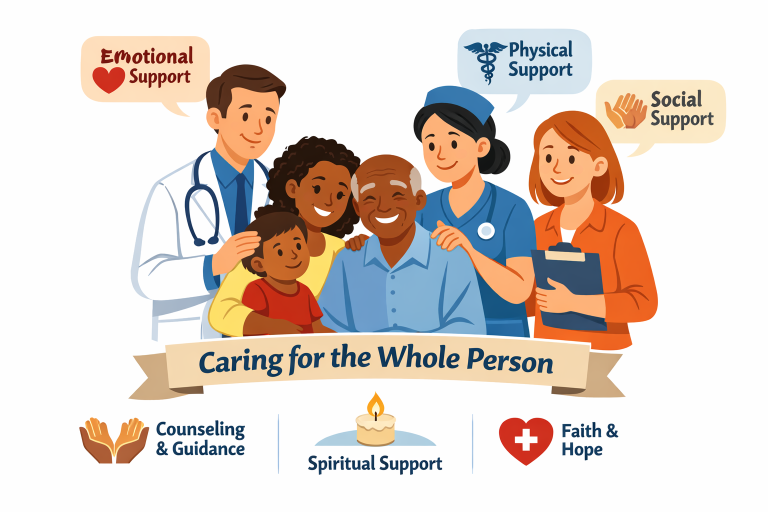
Holistic palliative care moves beyond simply treating physical pain. Providers recognize that illness affects every aspect of a person’s life, including psychological, social, and spiritual dimensions. By offering a multidisciplinary approach, the team creates an environment where each concern is addressed, whether it is managing medication side effects or providing spiritual counseling.
The hallmark of holistic palliative care lies in its respect for each patient’s values and life story. By building trust and fostering open communication, care teams help families navigate difficult decisions and transitions. This support extends to caregivers as well, ensuring loved ones are equipped with resources, education, and empathy for whatever challenges may arise.
Benefits of Personalized Support
- Improved Quality of Life: Tailored care plans create pathways for better symptom control, reduced pain, and opportunities for patients to participate more meaningfully in daily activities and milestones.
- Enhanced Communication: Individuals and families develop strong, trusting relationships with care providers. These connections encourage honest conversations about goals, treatment expectations, and personal wishes, ensuring all care decisions remain centered around what matters most to the patient.
- Emotional and Psychological Support: Personalized support includes access to counseling, mental health resources, and support groups, all designed to help patients and their families adapt and cope as the illness progresses.
Beyond patient comfort, personalized palliative care has broader impacts. Research from major healthcare publications highlights reduced hospitalizations, improved patient satisfaction scores, and more efficient use of health resources when care is tailored to the individual. Those who engage in interdisciplinary, patient-directed care models consistently report lower levels of anxiety, confusion, and distress. For a deeper dive into these outcomes, you may wish to explore recent articles on Harvard Health Publishing that discuss how palliative care optimizes quality of life for patients and families.
Evidence Supporting Personalized Palliative Care
Multiple clinical studies underscore the effectiveness of this approach. Research published in peer-reviewed medical journals has demonstrated that integrating patient feedback with interdisciplinary care leads to measurable improvements in symptom management and emotional well-being among those with advanced illness. Specifically, patients who receive personalized plans experience fewer emergency room visits, improved symptom control, and greater satisfaction with their care.
Further, the routine gathering of patient-reported feedback allows care teams to swiftly address new symptoms, adjust medications, and anticipate evolving needs. Evidence continues to mount not only for the compassionate value but also for the practical outcomes of investing in truly individualized palliative services.
Implementing Personalized Care Plans
Creating an effective care plan starts with a comprehensive assessment that reviews the patient’s medical record, current symptoms, family dynamics, and deeply held wishes. Nurses, doctors, social workers, and spiritual advisors all contribute to a holistic understanding, ensuring nothing is overlooked.
- Comprehensive Assessment: Evaluating not only physical symptoms but also financial, social, and spiritual needs.
- Goal Setting: Working collaboratively to clearly define what the patient hopes to achieve, be it pain relief, the ability to remain at home, or meaningful time with family.
- Team-Based Collaboration: Engaging various health professionals to coordinate medications, facilitate family meetings, and provide diverse expertise.
- Continuous Adjustment: Regular check-ins to update the plan as the patient’s condition evolves or as needs change.
Flexibility is crucial, as even the most thoughtfully designed plan will need tweaks and adaptations over time. Good communication among all parties ensures patients are never alone in making difficult choices.
Challenges and Considerations
Despite the proven value of individualized support, there are obstacles to widespread adoption. Resource constraints, regional disparities, and workforce shortages limit access for many patients. Some healthcare systems lack the infrastructure or training to offer comprehensive, ongoing palliative services beyond the hospital setting.
Overcoming these barriers requires coordinated investment by policymakers, training institutions, and community organizations. Building awareness and providing education to the public and healthcare providers can help ensure more people receive the benefits of palliative care tailored to their needs.
Final Thoughts
Personalized support stands at the heart of transformational palliative care. By deeply respecting the individual and addressing not only physical symptoms but also emotional, spiritual, and practical needs, care teams can profoundly improve the experience of serious illness. Holistic Palliative Care and similar organizations embody this philosophy, earning their reputation as trusted partners for families across the region. With continued focus on personalization, collaboration, and accessibility, palliative care can become a source of strength and comfort for all who need it.
Discover more from
Subscribe to get the latest posts sent to your email.

Leave a Reply