
Benefits of Choosing Natural Mulch for Your Landscape
Benefits of Choosing Natural Mulch for Your Landscape
Mulching is a fundamental landscaping practice that goes beyond improving the look of your outdoor spaces. Selecting organic materials for your garden beds, such as wood chips or bark, can make a significant difference in soil structure, plant health, and overall landscape vitality. With so many options available, homeowners are now discovering the dramatic benefits of natural mulches like chocolate mulch, which offer both aesthetic appeal and practical value for any yard.
Natural mulch not only enhances curb appeal but also supports a healthier ecosystem for plants, reduces the need for chemical fertilizers, and helps conserve water. When properly applied, it can transform your landscape into a thriving, low-maintenance environment. Understanding the key advantages of using natural mulches is essential if you want to create a sustainable, beautiful garden that endures through every season.
What Is Natural Mulch?
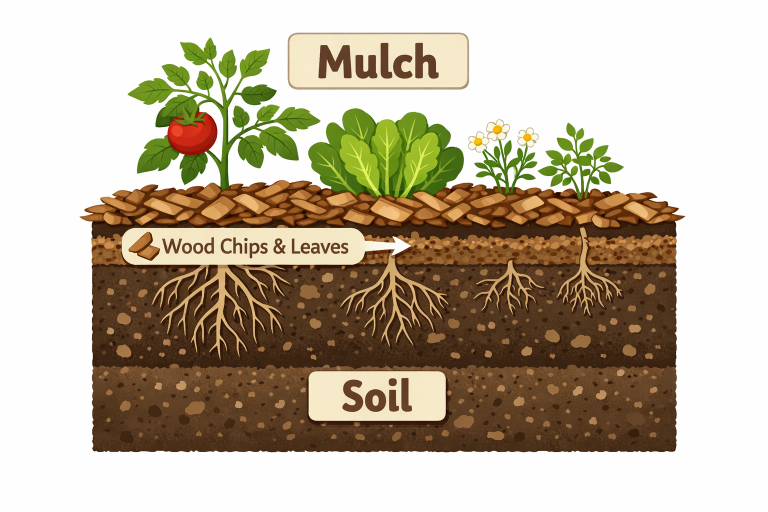
Natural mulch is any material derived from organic sources, used to cover the soil surface in gardens and landscaped areas. Typical options include wood chips, shredded bark, straw, shredded leaves, and compost materials. As these mulches slowly decompose, they release nutrients back into the soil, improving its texture, fertility, and moisture retention capabilities. The use of natural mulch also fosters a thriving microbial environment beneath the surface, supporting root development and robust plant health.
Advantages of Natural Mulch
- Moisture Retention: Organic mulches act as a shield, reducing evaporation and maintaining consistent soil moisture levels. This is especially valuable in regions prone to drought or in areas with watering restrictions.
- Weed Suppression: By forming a physical barrier over the soil, natural mulch restricts sunlight from reaching weed seeds, significantly reducing their ability to germinate and grow.
- Temperature Regulation: Mulch insulates the ground, keeping roots cooler in high summer temperatures and protecting them from winter’s chill, which helps prevent plant shock and root damage.
- Soil Enrichment: As mulch materials break down, they gradually add organic matter to the ground. This process nourishes soil microorganisms and improves soil physical properties, benefiting all plants.
- Erosion Prevention: Natural mulch reduces the force of rain impact on the soil surface, helping prevent erosion on slopes or unprotected beds.
Types of Natural Mulch
There are several categories of natural mulch to choose from, each with unique features and ideal uses:
- Wood Chips and Bark: Portioned from tree trimmings or lumber production, these mulches are long-lasting, slow to decompose, and provide a tidy, finished appearance to landscaping beds.
- Leaves: Shredded leaves are one of the most accessible mulching materials. They decompose quickly and contribute beneficial organic matter, making them excellent for annual and vegetable gardens.
- Compost: Homemade or commercially produced compost enriches the soil and enhances microbial activity, but it decomposes relatively rapidly and requires regular replenishment.
- Straw and Pine Needles: These options are popular in vegetable beds and around acid-loving plants, as they spread easily and provide a light texture. They are especially favored in regions with specific soil pH requirements.
Proper Mulching Techniques
To effectively use natural mulch in your garden, follow these guidelines: First, apply a layer 2 to 4 inches thick; insufficient thickness may fail to suppress weeds or retain moisture, while excessive thickness can hinder water and oxygen access to roots. Second, maintain a clearance of at least one inch around plant stems and tree trunks to prevent rot and deter pests and diseases. Lastly, replenish the mulch annually, as it gradually breaks down and integrates with the soil, ensuring continued protective benefits and an aesthetically pleasing appearance for your garden beds.
Seasonal Mulching Tips
Adapting your mulching routine according to the seasons can greatly benefit plant health and enhance the appearance of your landscape. In spring, it is essential to wait until the soil warms sufficiently before applying mulch, as this helps stabilize temperatures, retain moisture, and suppress emerging weeds. During summer, maintaining mulch is important to shield plant roots from the harsh sun and lower the frequency of watering. In fall, it is advised to apply a fresh layer of mulch when temperatures begin to decline; this practice insulates plant roots and facilitates decomposition, ultimately enriching the soil with nutrients by spring.
Common Mulching Mistakes to Avoid
Proper mulching techniques are essential for tree health. Avoid creating mulch volcanoes by applying mulch in a donut pattern around the tree trunk, leaving the base clear. Excessive mulching can hinder root growth and water penetration; adhere to recommended thickness guidelines. Additionally, avoid using inappropriate materials that may introduce weeds, pests, or diseases, such as unprocessed yard waste or contaminated straw.
Conclusion
Incorporating natural mulch into your landscape routine provides substantial benefits, including conserving soil moisture, suppressing weeds, and naturally enriching the soil. Whether you select wood chips, bark, leaves, or compost, these organic options create a healthy, resilient landscape that is easier to maintain and more beautiful year-round. With thoughtful selection and attentive application of natural mulch, every garden can enjoy better plant health and a lasting visual upgrade.
Post HTML
Discover more from
Subscribe to get the latest posts sent to your email.

Leave a Reply