
Top Signs Your Home Plumbing Needs Immediate Attention
Key Takeaways
- Reacting to plumbing warning signs early prevents extensive and costly damage.
- Addressing leaks and blockages as soon as they’re noticed is vital for safety and savings.
- Routine checks and maintenance help detect problems before they become emergencies.
Properly maintaining your home’s plumbing can help prevent unexpected disasters, high repair bills, and even health risks. Spotting issues early is essential so you can act before minor problems become major emergencies. If you notice something unusual, contacting Helotes plumber services can make all the difference in resolving plumbing problems efficiently and safely.
Even minor malfunctions or unexplained changes in your plumbing can signal larger issues. Failure to respond quickly can lead to costly repairs, water damage, or hazardous conditions. Awareness of these early warning signs equips you to keep your home safe and dry.
Persistent Dripping Faucets
Even if it seems trivial, a dripping faucet is a red flag you should not ignore. Over time, these repetitive drips add up, wasting gallons of water and increasing your utility bill. The most common causes are faulty washers, worn seals, or valve seat corrosion. Ignoring the issue often results in more significant wear, which can eventually lead to more costly repairs.
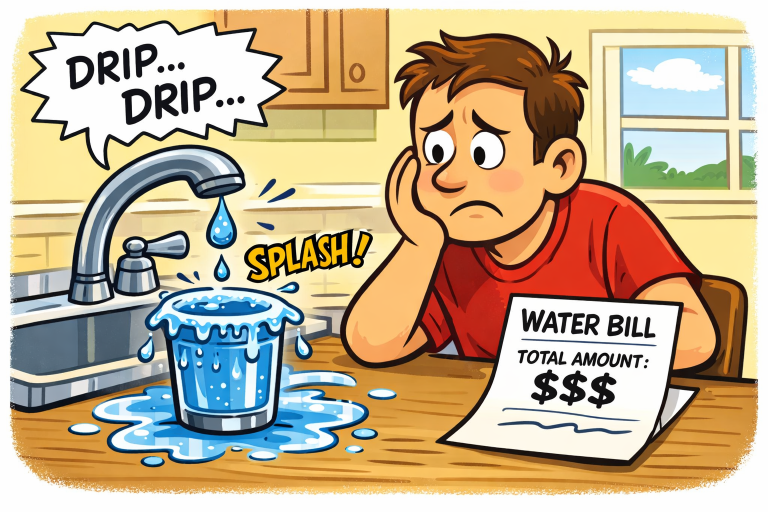
Additionally, neglected dripping faucets can indicate underlying problems with water pressure or mineral deposits in your plumbing system. These issues, if left unchecked, may escalate, affecting other fixtures and leading to increased wear and tear on your plumbing. This is why it’s important to address even minor drips promptly, as they are often a symptom of systemic issues in your home’s water supply lines.
When persistent leaks or corrosion continue to affect older components, upgrading to modern hardware can help prevent repeated plumbing issues. Timely plumbing fixture replacement improves water efficiency and helps protect surrounding cabinetry and flooring from hidden water exposure. Selecting durable materials during routine upgrades supports reliable operation throughout the household.
Slow or Clogged Drains
When one or more sinks, tubs, or showers start draining slowly, you may be facing a partial clog from accumulated hair, soap, food particles, or grease. Extensive blockages in multiple drains often point to problems in the main sewer line, which can pose sanitation and structural risks to your home.
It’s crucial to note that chemical drain cleaners, while seemingly convenient, can damage pipes over time and might not resolve deeper blockages. Frequent slow drains should prompt a professional inspection to ensure there are no complex obstructions or tree root invasions, common causes of severe sewer line clogs. Regular maintenance, such as scheduled drain cleaning, can keep your plumbing system running efficiently and extend its lifespan.
Low Water Pressure
If you notice a sudden or persistent decrease in water pressure throughout the house, it might be due to leaking pipes, mineral buildup, or problems at the main water supply. Such issues not only disrupt your daily use but could also mean water is escaping where it shouldn’t, potentially causing damage to hidden areas and structures.
Low water pressure can also result from partially closed shut-off valves or malfunctioning pressure regulators. Older homes are particularly susceptible due to aging pipes and sediment buildup, which restricts flow. Addressing the root cause promptly helps maintain consistent water flow and prevents further deterioration of plumbing infrastructure.
Regular assessment of home mechanical systems helps identify small issues before they compromise household comfort. Plumbing fixtures and connected piping often require routine maintenance to prevent unexpected pressure drops and minor leaks. Property owners who want to read more about keeping essential home utility systems running efficiently can benefit from evaluating all aspects of their system’s performance on a set schedule.
Unusual Noises from Pipes
Pipes should not bang, gurgle, or whistle during normal operation. These noises might be caused by trapped air, loose fittings, or water hammer. When left unchecked, vibration and pressure surges can lead to ruptured pipes and water leaks.
Noisy pipes can also signify sudden changes in water flow or temperature. In some cases, these sounds may indicate structural problems, such as loose brackets or sections of piping that need additional support. Regular inspection of your pipes can help identify and correct such issues before they lead to water damage or higher utility costs.
Discolored or Foul-Smelling Water
If you run your tap and notice brown or yellow water, or you detect odd smells like sulfur or earthiness, this could signal rust in the pipes or groundwater contamination. Contaminants not only make water unpleasant to use but can also pose serious health risks. Immediate action and professional assessment are required to safeguard your family and property.
Monitoring shifts in water appearance or odor is essential for early detection of problems. Sometimes, discolored water may indicate municipal supply work nearby or a break in the main. If the problem persists, it’s essential to avoid drinking or using the water until a professional can confirm the source and safety of your supply.
Unexplained Increase in Water Bills
Water bills that spike without a clear reason, like higher usage or new appliances, may point to undetected leaks in your plumbing system. Hidden leaks can occur behind walls, beneath floors, or under your yard, slowly causing significant water damage and mold growth. Regular bill monitoring can help spot these invisible problems.
It’s a good practice to routinely check areas around your home for signs of moisture, such as warped flooring, damp foundations, or lush spots in the yard. Early identification of leaks through water meter checks or moisture detectors can significantly reduce long-term damage and repair costs.
Visible Water Stains or Mold
Stains on ceilings or walls, and the presence of mold or mildew, suggest a plumbing leak. This warning sign should never be ignored. Water stains indicate penetration and persistent moisture, which, if neglected, can undermine your home’s structure and reduce indoor air quality.
Not only do these stains and biological growths threaten your property’s integrity, but continually damp conditions can also attract pests and further exacerbate deterioration. Prompt attention to water stains or mold is critical for preserving both the investment and safety of your home.
Running Toilets
Toilets that continue running after flushing are not only a nuisance but a significant source of wasted water. The usual culprits are a malfunctioning flapper valve, a faulty fill mechanism, or issues in the float arm. These issues are typically easy to diagnose and repair, and should be addressed as soon as possible to minimize waste.
Addressing the issue quickly not only prevents irresponsible water consumption but can also reduce strain on your plumbing fixtures and ensure the reliability of your bathroom facilities. Occasional inspection of toilet mechanisms helps catch and resolve minor issues before they escalate.
Final Thoughts
Being proactive by watching for these signs and addressing them quickly can spare you from the inconvenience and costs of emergency plumbing repairs. Scheduling routine inspections and addressing minor issues promptly will ensure your home’s plumbing system remains reliable and efficient for years. When in doubt, always consult experienced professionals who can provide a thorough assessment and lasting solutions.
In summary, investing in preventive care and familiarizing yourself with common plumbing symptoms is both practical and cost-effective. Not only do you protect your property from catastrophic damage, but you also bolster the comfort and well-being of everyone in your household. Remember: quick action and routine checkups are the keys to a smoothly functioning home plumbing system.
Discover more from
Subscribe to get the latest posts sent to your email.

Leave a Reply