
Essential Upgrades to Keep Your Vehicle Cool and Comfortable on Long Road Trips
There is a distinct sense of freedom that comes with loading up the trunk, mapping out a cross-country route, and hitting the open highway. Road trips represent the ultimate form of autonomous travel. You control the schedule, the playlist, and the detours. However, the romanticized vision of the great American road trip can quickly fade if your vehicle is not properly equipped for the reality of long-distance driving.
Spending consecutive days inside a cabin can easily lead to stiff joints, driver fatigue, and general passenger irritability. A car that feels perfectly fine for a twenty-minute grocery run can feel like a cramped, sweltering box by hour six of a multi-state journey. The good news is that you do not need to purchase a luxury recreational vehicle to enjoy a premium travel experience. By investing in a few strategic upgrades, you can dramatically transform your everyday vehicle into a cool, organized, and highly comfortable road trip machine.
Establishing a Strong Foundation Before You Drive
Before diving into the aftermarket accessories that make a cabin feel like a mobile lounge, it is vital to start with the absolute basics of travel readiness. A successful journey relies heavily on thoughtful preparation and addressing the foundational needs of your vehicle and your passengers.
Just as you might take strategic steps to make your home energy efficient this winter to ensure long-term comfort, you should proactively optimize your vehicle’s physical baseline before a long journey. This means mapping out accessible rest stops, taking inventory of essential supplies, and making sure the physical needs of every passenger are considered long before the engine starts. Factoring in frequent breaks and understanding the limitations of your travel companions sets a positive tone for the entire trip.
Equally important is the mechanical baseline of your vehicle. Upgrading your interior comfort means very little if you are stranded on the side of the interstate with a preventable mechanical issue. Thoroughly checking your tire pressure, fluid levels, wiper blades, and battery health provides peace of mind. Getting a routine tune-up prior to departure ensures that your engine runs efficiently. Once the logistics and routine maintenance are squared away, you have created the perfect blank canvas to begin upgrading your interior environment.
Prioritizing Sun Protection and Temperature Control
The most significant factor contributing to passenger fatigue during summer drives is relentless sun exposure. A vehicle acts very much like a greenhouse. Broad windows trap solar energy, causing cabin temperatures to spike rapidly. This forces the air conditioning system to work overtime, blowing harsh, freezing air on the front passengers while those in the back rows might still be sweltering.
Beyond the sheer physical discomfort of a hot cabin, there is a serious hidden health concern regarding ultraviolet radiation on long drives. Most people assume that sitting inside a car with the windows rolled up provides complete protection from the sun. However, research from The Skin Cancer Foundation reveals that standard side windows can allow up to 50 percent of harmful UVA radiation to penetrate, making passengers highly vulnerable to cumulative skin damage over long hours of driving.
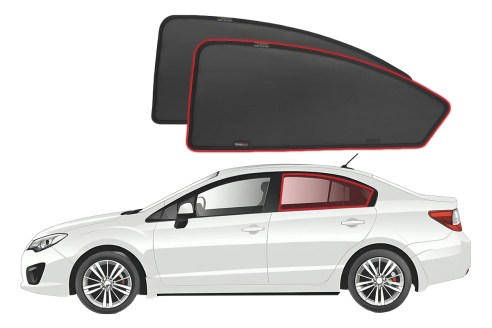
To combat rising interior temperatures and the invisible threat of UV rays, installing high-quality window coverage is an absolute necessity. Automotive experts and seasoned travelers highly recommend fitting custom sunshades for cars to the rear and passenger side windows. Unlike flimsy, generic window clings that fall down or leave glaring gaps of unprotected glass, tailor-fit options create a comprehensive barrier.
This specific upgrade drastically reduces the strain on your climate control system by blocking solar heat before it fully bakes the interior upholstery.
Furthermore, blocking out the harsh glare creates a significantly darker, more relaxing environment. This is especially beneficial if passengers are trying to sleep or view digital screens during the drive. Investing in proper window protection is perhaps the most cost-effective way to immediately elevate cabin comfort.
Combating Road Fatigue with Ergonomic Seating
Even the most luxurious factory car seats can feel unsupportive after crossing a few state lines. Automotive seating is generally designed for average body types and average commute times. When you push those limits, poor posture and lack of support can lead to severe lower back pain and stiff shoulders. Upgrading your seating situation is paramount for maintaining physical health on the road.
Consider incorporating the following ergonomic upgrades to dramatically improve your seating comfort:
- Premium Seat Cushions: Look for memory foam or gel-infused orthopedic cushions that distribute your body weight evenly. These alleviate pressure on the tailbone and promote better circulation in the legs, preventing the numb sensation that often accompanies long driving stints.
- Lumbar Support Pillows: A dedicated lower back pillow helps maintain the natural inward curve of your spine. This prevents the dreaded road trip slouch that causes muscle tension in the upper back and neck.
- Ventilated Seat Covers: If your vehicle lacks built-in cooling seats, aftermarket ventilated covers are a brilliant investment. They plug directly into a standard 12V outlet and quietly circulate ambient air behind your back and under your legs, completely eliminating the sticky, sweaty feeling of leather seats in July.
- Adjustable Neck Rests: Standard headrests are often positioned too far back to provide active support. Attaching a specialized neck pillow fills the gap between your cervical spine and the seat, allowing your neck muscles to relax during long highway stretches.
Taking a few minutes to customize your seat profile before you leave the driveway will pay massive dividends by the end of the day.
Taming Cabin Clutter with Strategic Organizers
Clutter breeds psychological stress. When water bottles, snack wrappers, charging cables, and sunglasses cover the floorboards and passenger seats, the cabin begins to feel chaotic and claustrophobic. A disorganized environment makes it incredibly difficult to relax, and it often leads to distracted driving as people root around for lost items while navigating unfamiliar roads.
Investing in smart storage solutions transforms a messy vehicle into an organized sanctuary. Over-the-seat organizers are excellent for keeping tablets, sanitizing wipes, and travel documents easily accessible but out of the way. For the front seats, gap fillers that slide between the center console and the seat edge prevent small items like keys and phones from falling into the dark abyss under the floor mats. You can also utilize modular trunk organizers to separate emergency supplies from your daily luggage.
Additionally, consider upgrading your food storage approach. Instead of relying on a traditional plastic cooler filled with melting ice that inevitably waterlogs your sandwiches, upgrade to a portable 12V refrigerator. These compact units sit securely in the backseat or trunk and provide perfectly chilled drinks and crisp food without the constant hassle of draining water and buying bags of ice at rural gas stations. Having immediate access to fresh, healthy snacks drastically improves the overall mood of everyone in the vehicle.
Enhancing Air Quality and Minimizing Noise
Highway driving exposes your vehicle’s cabin to a constant stream of exhaust fumes, road dust, and seasonal pollen. Breathing stale or polluted air for hours on end contributes heavily to travel fatigue and grogginess. An often overlooked upgrade is a portable HEPA air purifier designed specifically for automotive use.
These compact devices fit neatly into a cup holder or mount to the back of a headrest. They quietly scrub the cabin air of particulate matter, neutralizing odors from fast food and keeping the environment smelling fresh. Better air quality keeps everyone feeling alert and comfortable, especially when driving through dense traffic or dusty rural landscapes.
Finally, consider the impact of auditory fatigue. The constant drone of tire tread and wind resistance takes a subtle but significant toll on your energy levels. While you cannot change the aerodynamics of your car mid-trip, adding thick, high-quality all-weather floor mats can help absorb road noise from the undercarriage. Paired with a curated, relaxing audio playlist and the heat-blocking accessories mentioned earlier, you can engineer a surprisingly serene interior environment.
The open road should always be about the joy of the destination and the memorable moments shared along the way, not the aches and frustrations of a poorly equipped vehicle. By thoughtfully addressing temperature control, ergonomic support, and cabin organization, you can confidently embark on your next great adventure with absolute comfort. Prioritizing these enhancements transforms every mile from a tedious chore into an enjoyable part of your journey. A truly exceptional road trip is defined by the quality of the ride just as much as the destination itself.
Discover more from
Subscribe to get the latest posts sent to your email.

Leave a Reply