
Key Indicators Your Home Could Benefit from a Roof Upgrade
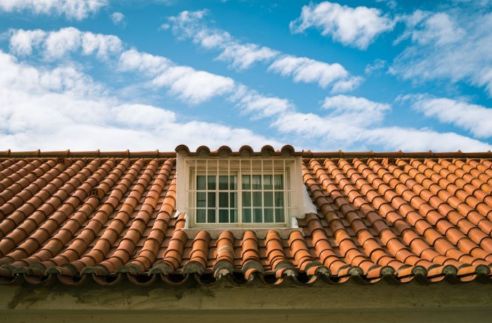
A roof plays a central role in protecting a home while also shaping its overall appearance. It shields against rain, wind, and temperature changes, all while contributing to how a property looks from the street. In places like College Grove, TN, where seasonal weather shifts bring both humidity and storms, maintaining a reliable roof is essential for year-round comfort. Homeowners often focus on interior upgrades, but the condition of the roof directly impacts energy efficiency, indoor air quality, and long-term structural health.
Upgrading a roof is not just about addressing visible damage. It is a proactive decision that supports a safer and more comfortable living environment. A well-maintained roofing system can help regulate indoor temperatures, reduce energy consumption, and prevent costly repairs down the line. When homeowners understand the early indicators of wear, they can take timely action and avoid unexpected disruptions.
The Value of Modern Roofing Materials and Upgrades
Modern roofing materials offer significant advantages over older systems. Today’s options are designed to handle varying weather conditions better, offering improved resistance to moisture, wind, and UV exposure. Many materials also come with longer lifespans, reducing the need for frequent repairs. Homeowners who invest in updated roofing systems often notice better performance and fewer maintenance concerns over time.
In addition to durability, newer roofing solutions enhance a home’s overall appearance. Updated styles and colors allow homeowners to refresh their property’s exterior without major structural changes. When repairs become frequent or the roof no longer performs efficiently, replacing it becomes a practical and forward-thinking decision. It allows homeowners to address underlying issues while upgrading to more reliable materials. If you are looking for services like roof replacement in College Grove, TN, there are many professionals who have years of experience.
Visible Exterior Wear: What Aging Shingles Are Telling You
Exterior signs of wear are often the first indication that a roof may need attention. Shingles that curl, crack, or appear uneven suggest that the materials are beginning to deteriorate. Over time, exposure to sunlight and changing temperatures can weaken shingles’ structure, making them less effective at protecting the home. Missing shingles can also leave sections of the roof exposed to moisture and debris.
Another common sign is the presence of granules in gutters or around downspouts. These granules help shield shingles from UV rays, and their loss reduces the roof’s protective capabilities. When these issues appear together, they often indicate a roof nearing the end of its functional life. Addressing these concerns early can help maintain the home’s appearance and performance.
Interior Warning Signs You Shouldn’t Overlook
Interior changes can reveal roofing problems that are not immediately visible from the outside. Water stains on ceilings or walls often indicate that moisture has entered the home through the roof. These stains may start small but can spread over time if the source is not addressed. Homeowners should also pay attention to any unusual odors or signs of dampness in upper levels of the home.
The attic is another important area to inspect. Moisture buildup, condensation, or visible mold can signal poor ventilation or hidden leaks. In some cases, small roof openings may even allow light to pass through, clearly indicating a breach in the structure. Identifying these warning signs early allows homeowners to take action before more serious damage develops.
The Age Factor: Knowing When Your Roof Has Reached Its Limit
The age of a roof is one of the most reliable indicators of when an upgrade may be needed. Most asphalt shingle roofs are designed to last between 20 and 30 years, depending on installation quality and environmental conditions.
Even if the surface appears intact, aging materials can lose their strength and flexibility over time. This gradual decline reduces the roof’s ability to protect the home effectively.
Homeowners who know their roof’s installation timeline can plan and avoid unexpected issues. Regular inspections become more important as the roof approaches the end of its lifespan. Replacing an older roof at the right time helps maintain structural integrity and prevents more extensive repairs in the future. Local weather conditions can also influence how quickly roofing materials degrade over time. In regions with frequent freeze-thaw cycles or heavy snowfall, structural materials experience recurring expansion and contraction.
Property owners researching roofing in Englewood, Colorado often look for impact-resistant options that stand up well against severe seasonal storms and localized hail, helping extend the overall lifespan of the system.
Rising Energy Bills and Reduced Efficiency
An aging or damaged roof can impact how well a home maintains indoor temperatures. Poor insulation allows heat to escape during colder months and enter during warmer seasons. This forces heating and cooling systems to work harder, leading to higher energy consumption. Over time, these inefficiencies can noticeably increase monthly utility costs.
Ventilation also plays a key role in overall energy performance. When a roof does not allow proper airflow, heat and moisture can build up in the attic. Upgrading to a modern roofing system with improved insulation and ventilation can help stabilize indoor conditions and reduce energy strain.
Structural Integrity Concerns: When the Roofline Changes
Changes in the roof’s shape can signal deeper structural concerns that require attention. A sagging or uneven roofline may indicate weakened support systems or compromised decking. These issues often develop gradually but can worsen if left unaddressed. Early detection allows homeowners to resolve problems before they affect other parts of the home.
Soft spots on the roof surface can also point to moisture damage beneath the shingles. This type of deterioration weakens the overall structure and reduces the roof’s ability to handle external stress. Addressing structural concerns promptly helps maintain the safety and stability of the entire property.
Storm Damage and Hidden Risks After Severe Weather
Severe weather can cause both visible and hidden damage to a roof. High winds may lift or loosen shingles, while hail can create small cracks that are difficult to detect from the ground. Even minor damage can allow water to enter over time, leading to gradual deterioration inside the home. In many cases, these issues develop slowly, making them harder to notice without a closer inspection.
After a storm, a professional inspection can help identify issues that might otherwise go unnoticed. Catching these problems early prevents further damage and reduces the risk of costly repairs. Staying proactive after severe weather helps ensure that the roof continues to perform reliably. Regular post-storm evaluations also give homeowners greater confidence in the long-term condition of their roofing system.
Discover more from
Subscribe to get the latest posts sent to your email.

Leave a Reply