
Planning Homes That Last: Principles Behind Thoughtful Residential Design
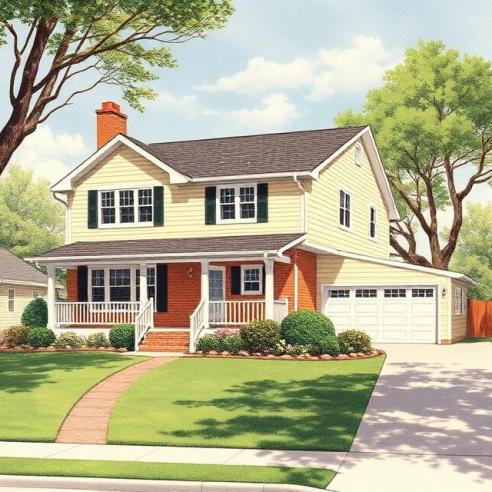
A home plan shapes daily life in quiet ways. Room sizes guide movement. Window placement affects mood. Storage choices reduce clutter or invite it. This article explains how residential plans come together, why they matter, and what ideas guide strong home layouts across regions and styles.
The goal is clarity. Readers will learn how architects think, how families use plans over time, and how design choices connect with climate, budgets, and future needs. Short stories, examples, and clear definitions keep the ideas easy to follow.
What a House Plan Really Is
A house plan is a set of drawings that show how a home will be built. It includes floor layouts, elevations, and basic structural notes. Some plans also show electrical layouts, plumbing paths, and roof shapes.
Plans work as a shared language. Builders, inspectors, and owners read the same drawings. Clear plans lower confusion and speed up construction.
Key parts of a standard plan include:
- Floor plans showing room sizes and walls
- Elevations showing the outside view
- Site plans showing how the home sits on land
- Notes about materials and systems
Each part answers a different question. Together, they form a full picture.
How Climate Shapes Home Layouts
Climate affects homes more than style trends. Sun paths, wind, rain, and snow all guide design choices. A plan that works well in one place can fail in another.
In colder areas, compact layouts reduce heat loss. Mudrooms keep snow away from living spaces. In warmer zones, shaded patios and cross ventilation play a bigger role.
A simple table shows how climate connects with layout ideas:
| Climate Factor | Design Response | Daily Benefit | ||-|| | Cold winters | Smaller entry zones | Warmer interiors | | Hot summers | Covered outdoor areas | Cooler living spaces | | High winds | Lower rooflines | Less wear on structure | | Heavy rain | Steep roofs | Faster water runoff |
Architects study these patterns early. Good plans respect weather rather than fight it.
The Role of Lifestyle in Planning
Homes serve people, not drawings. A plan should reflect how a household lives. A family that cooks often needs a different kitchen layout than one that eats out.
Lifestyle questions often guide early sketches:
- Do people work from home?
- Are guests frequent?
- Is storage a daily issue?
- Are stairs easy for everyone?
Answers shape room placement. A home office near the entry supports client visits. Bedrooms grouped together help families with young children.
Architect Maria Lopez once said, “A plan succeeds when it feels obvious after move in.” That sense of ease comes from listening during planning stages.
Open Layouts and Defined Spaces
Open layouts remove walls between kitchens, dining areas, and living rooms. Defined layouts keep rooms separate. Each approach has strengths.
Open layouts support social interaction. Light travels farther. Furniture placement needs care to avoid noise spread.
Defined rooms offer privacy and sound control. They suit reading, music, or quiet work. Many modern plans blend both ideas.
A common hybrid approach includes:
- Open kitchen and dining area
- Semi separate living room
- Private bedrooms away from noise
This mix balances connection and retreat.
Materials and Longevity
Plans often note materials, not brands. Choices affect upkeep and lifespan. Wood siding looks warm yet needs care. Brick lasts longer with less work.
Material notes guide builders and owners alike. They also affect costs across decades, not just during construction.
A brief comparison helps:
| Material | Typical Lifespan | Maintenance Level | |||-| | Vinyl siding | 20–40 years | Low | | Wood siding | 20–30 years | Medium | | Brick veneer | 50+ years | Low | | Metal roofing | 40–70 years | Low |
Long term thinking saves money and effort later.
Custom Plans and Ready Made Plans
Ready made plans come from catalogs. They cost less and move fast. Custom plans grow from detailed talks with an architect.
Custom work allows changes for land shape, views, or future additions. Catalog plans suit flat lots and standard needs.
Some people start with a catalog plan and adjust it. Others prefer a blank page. Both paths can succeed with careful review.
Readers looking for examples of Utah house plans often see this range, from stock layouts to fully custom homes, showing how flexible planning can be.
Case Study: A Growing Family Home
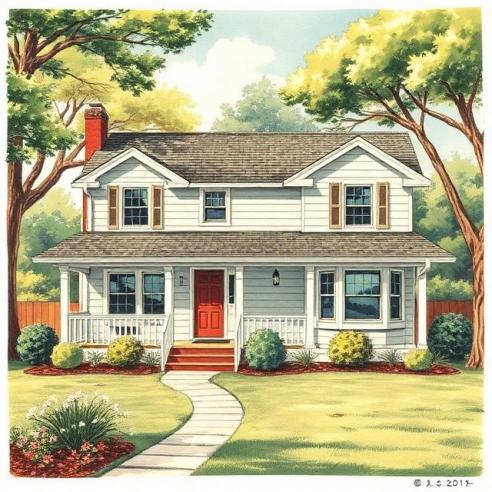
A couple with one child planned a home with future growth in mind. The first plan included two bedrooms and a shared bath. A third bedroom area stayed unfinished.
Five years later, another child arrived. The unfinished space became a bedroom with minimal cost. Plumbing and wiring had already been mapped.
This approach worked because the plan anticipated change. Walls, doors, and roof lines already allowed expansion.
Reading a Plan Without Stress
Plans can feel overwhelming at first glance. Learning a few symbols helps.
Common terms include:
- Scale: shows size relationships
- Elevation: side view of the home
- Section: cut through view
Most plans include a legend. Taking time to read it clears confusion fast. Asking builders to walk through drawings also helps.
Technology in Modern Planning
Digital tools have changed planning work. Three dimensional models show spaces before building starts. Virtual walk throughs help owners spot issues early.
Energy modeling tools predict heating and cooling needs. This data supports better insulation and window placement.
Despite new tools, the core goal stays the same. Plans should support daily life with clarity and comfort.
Common Mistakes to Watch For
Even strong plans can miss details. Awareness helps avoid trouble.
Frequent issues include:
- Too little storage
- Narrow hallways
- Poor natural light
- Laundry far from bedrooms
Review sessions catch many of these. Walking through the plan step by step, imagining a normal day, reveals gaps.
Costs and Budget Awareness
Plans guide budgets. Square footage, roof shape, and structure type all affect cost. Simple shapes cost less to build and maintain.
A larger home costs more to heat, clean, and repair. Smaller plans with smart layouts often feel just as comfortable.
Clear budget talks early prevent stress later. Plans work best when money limits stay visible.
Why Good Planning Pays Off
A strong plan supports decades of use. It adapts as families change. It reduces repairs and wasted space.
Good planning also supports resale value. Buyers notice flow, light, and storage. These qualities feel right even without technical knowledge.
Homes that age well often share one trait. Their plans focus on people first.
Closing Thoughts
House plans shape how people live each day. They guide movement, comfort, and growth. Understanding how plans form helps owners make better choices.
Readers can deepen their knowledge by reviewing sample plans, talking with architects, and learning basic drawing symbols. With patience and clear goals, a plan becomes more than paper. It becomes a foundation for daily life.
Discover more from
Subscribe to get the latest posts sent to your email.

Leave a Reply